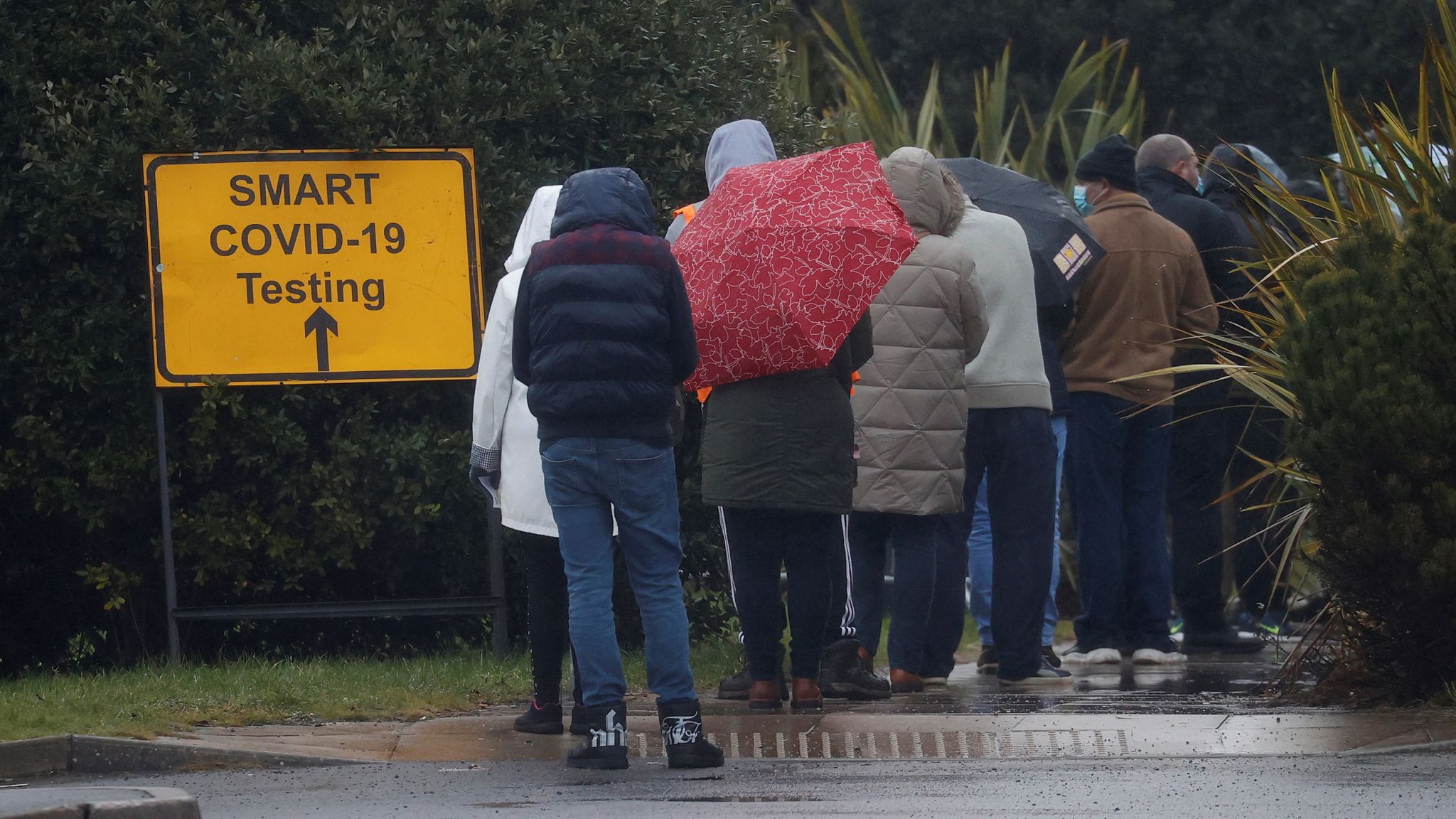
The UK government’s failure to establish an effective COVID-19 testing regime early in the pandemic left the country “effectively blind” to the virus’s rapid spread, a comprehensive inquiry has revealed. According to a detailed report led by Baroness Heather Hallett, the absence of widespread testing, tracing, and isolation measures during the crucial first months enabled COVID-19 to circulate virtually unchecked across the nation.
What the Report Found: A Lack of Preparedness and Testing Capacity
The investigation uncovered that although scientists had developed a reliable COVID-19 test by mid-January 2020, the UK government had not built the infrastructure needed to deploy it on a large scale. For several months, no systematic testing, contact tracing, or isolation protocols were in place, allowing the virus to spread with devastating speed.
Baroness Hallett’s report highlights that the UK was fundamentally “not prepared” to implement a functional test, trace, and isolate system at the onset of the pandemic. The government’s decision to abandon community contact tracing and testing in March 2020 was directly linked to severe shortages of tests, personal protective equipment, and the limited capacity of laboratories to process samples efficiently.
This critical failure delayed the identification of infected individuals, increasing the risk of transmission within communities. Without the ability to detect cases early, the virus infiltrated care homes, workplaces, and public spaces before stringent measures could be introduced.
Consequences: Escalating the Need for Lockdowns and Other Restrictions
The absence of early, widespread testing had profound consequences for the UK’s pandemic response. The report states that the lack of surveillance “increased the likelihood that more restrictive measures, such as lockdowns, would later be required.”
Without reliable data on infection rates, policymakers operated in the dark, unable to tailor interventions or target outbreaks effectively. This uncertainty contributed to the imposition of sweeping national lockdowns that severely impacted the economy, education, and everyday life.
Moreover, the inability to isolate infected individuals early meant the virus’s reproduction rate remained high, overwhelming the NHS and leading to a tragic loss of life that might have been mitigated with better testing infrastructure.
Border Controls: A Missed Opportunity to Slow the Virus
The report also delivers a stinging critique of the UK government’s border control measures—or lack thereof—during the early stages of the pandemic. Compared to other countries that implemented strict screening, quarantine, and travel restrictions, the UK’s approach was inconsistent and insufficient.
Baroness Hallett’s inquiry notes that “the decision not to implement widespread border control measures from the outset represented a missed opportunity to slow the spread of infection by reducing the risk of imported cases.”
International travel remained largely unrestricted for months, allowing new variants and cases to enter the country unchecked. This misstep compounded the difficulties posed by inadequate testing and tracing, further accelerating the virus’s foothold in the UK.
Why This Matters: Lessons for Future Pandemic Preparedness
This report exposes critical shortcomings in the UK’s early pandemic response, particularly in testing capacity and border management. The findings underscore the importance of rapid, widespread testing systems and robust contact tracing to contain infectious diseases before they escalate.
Investing in testing infrastructure, ensuring adequate supplies, and maintaining agile public health strategies can prevent future health crises from spiraling out of control. The government’s experience with COVID-19 emphasizes the cost of delayed action and the human toll of insufficient preparedness.
As new variants continue to emerge globally, this inquiry serves as a vital reminder of the urgent need to bolster public health defenses and learn from past mistakes to protect lives and livelihoods in the years ahead.