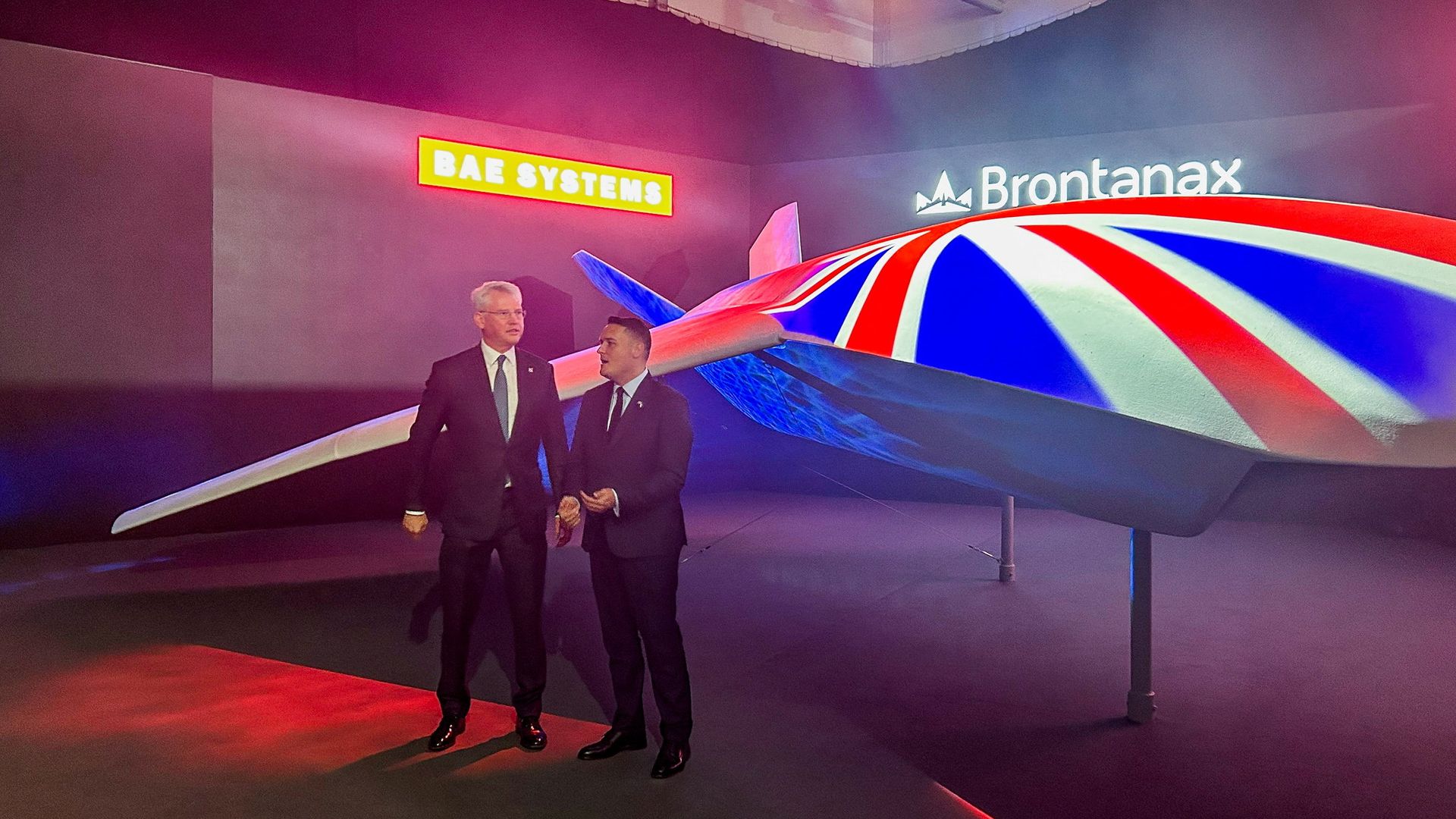
BAE Systems, the United Kingdom’s largest defence contractor, has announced a significant reduction exceeding 1,000 roles within its air division. This move signals a major restructuring effort as the aerospace and defence giant adapts to evolving market demands and geopolitical realities.
What Happened: Job Cuts in BAE Systems’ Air Division
BAE Systems confirmed it will eliminate more than 1,000 jobs across its air division, which encompasses its military aircraft manufacturing and support operations. The company, headquartered in London but operating globally, is a key supplier to the UK Ministry of Defence and international partners. The announcement reflects a strategic response to shifting priorities in defence spending and technological development.
While the exact breakdown of affected roles has not been disclosed, sources indicate that the cuts will span engineering, production, and support staff. These reductions come amid broader industry challenges, including budget constraints, changes in defence procurement, and the transition towards next-generation aircraft and systems.
Why It Matters: Industry Context and Impact
BAE Systems plays a pivotal role in the UK’s defence infrastructure, producing iconic platforms such as the Eurofighter Typhoon and contributing to the F-35 Lightning II programme. The air division is integral to maintaining the UK’s air combat capabilities and technological edge.
The decision to cut jobs highlights the complex balance defence contractors must strike between innovation, cost-efficiency, and government contracts. The global defence sector is currently navigating pressures from shifting geopolitical tensions, including the ongoing conflict in Ukraine, which has altered defence priorities across NATO countries.
Additionally, the aerospace and defence industry faces challenges from supply chain disruptions and the rising cost of raw materials and components. These factors compel companies like BAE Systems to optimize operations and focus investments on future technologies such as unmanned systems, cyber defence, and next-gen fighter aircraft.
What Comes Next: The Future of BAE Systems and the UK Defence Sector
BAE Systems’ workforce reduction is part of a broader strategic realignment aimed at positioning the company for long-term sustainability. The company has emphasized its commitment to innovation and fulfilling key defence contracts, ensuring that the UK remains at the forefront of aerospace technology.
Government officials and defence analysts will closely monitor how these cuts affect the UK’s industrial base and defence capabilities. Maintaining a skilled workforce is critical for the UK’s defence readiness and for supporting export opportunities in international markets.
For employees, the announcement brings uncertainty, but BAE Systems has indicated it will provide support through redeployment and retraining initiatives where possible. The company’s move underscores the need for continuous adaptation in an industry that is both capital-intensive and strategically vital.
Takeaway: Navigating Change in a Critical Sector
BAE Systems’ decision to cut over 1,000 jobs in its air division reflects the broader transformation underway within the aerospace and defence sector. As governments reassess defence priorities and invest in emerging technologies, contractors must streamline operations and innovate to remain competitive.
The restructuring at BAE Systems serves as a reminder of the delicate balance between maintaining national security capabilities and managing economic realities. While challenging in the short term, these changes are intended to ensure the company’s resilience and continued leadership in aerospace and defence for years to come.