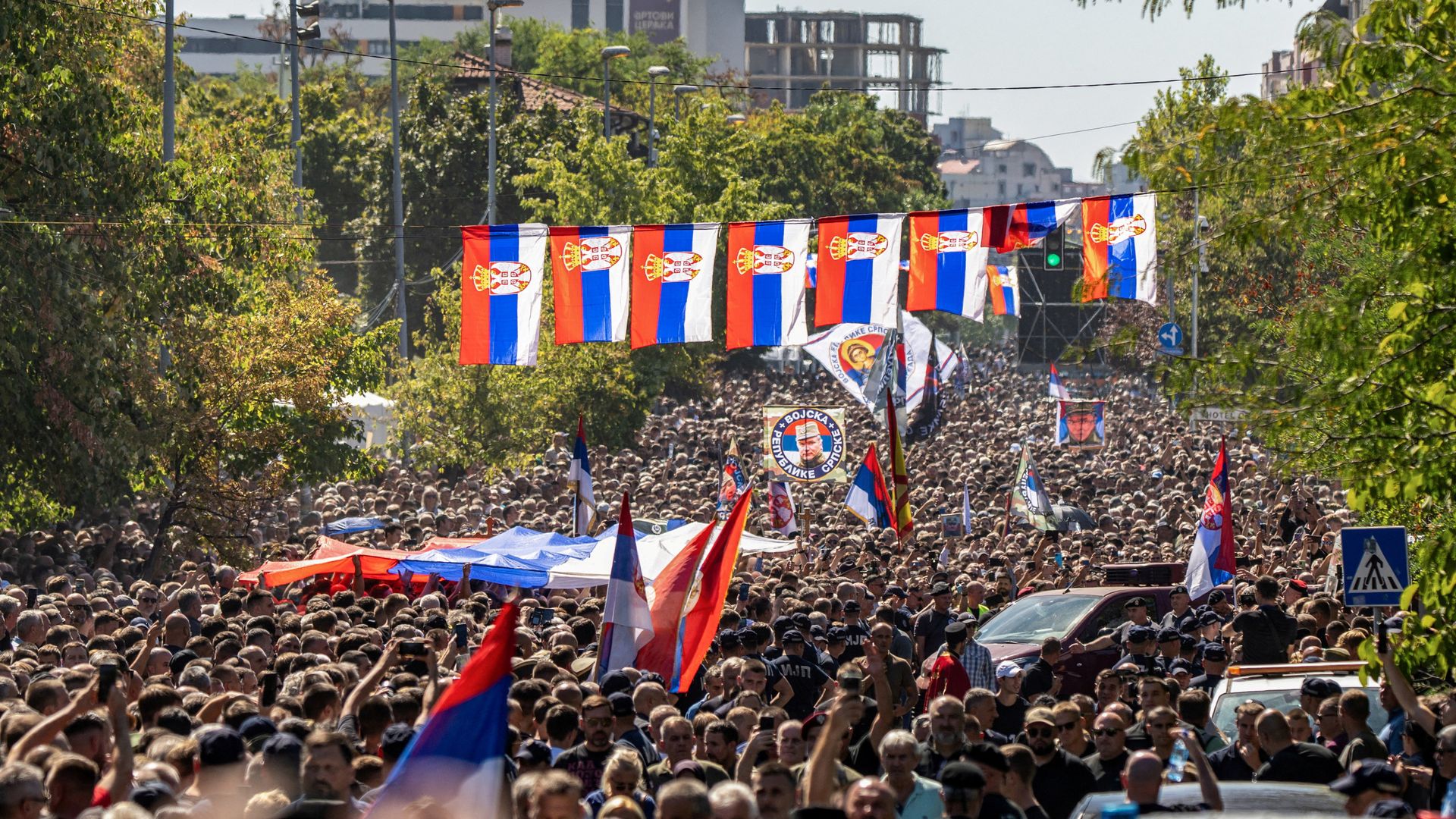
The United Kingdom has taken a firm diplomatic stance by summoning a senior Serbian diplomat to express strong condemnation over Serbia’s involvement in the funeral of Ratko Mladic, the notorious Bosnian Serb military leader infamous for war crimes during the Balkan conflicts of the 1990s.
What Happened: Diplomatic Repercussions Over Mladic’s Funeral
The UK’s special envoy to the Western Balkans formally summoned a top Serbian official in response to Serbia’s role in facilitating or endorsing the funeral arrangements for Ratko Mladic. Mladic, often referred to as the “Butcher of Bosnia,” was convicted by the International Criminal Tribunal for the former Yugoslavia (ICTY) for genocide, war crimes, and crimes against humanity during the Bosnian War, including the Srebrenica massacre.
This diplomatic move underscores the UK’s disapproval of any official recognition or support extended to Mladic, whose actions have left deep scars across the region and continue to hinder reconciliation efforts. The UK’s envoy made it clear that Serbia’s participation in the funeral contradicts commitments to regional stability and justice for victims of the Balkan wars.
Background: Why Ratko Mladic’s Funeral Sparks International Outcry
Ratko Mladic was a commanding figure during the brutal conflicts that engulfed the Western Balkans in the 1990s. His military leadership in the Bosnian Serb army was marked by some of the most horrific atrocities of the war, culminating in his 2017 conviction by the ICTY for orchestrating the genocide of over 8,000 Bosniak men and boys in Srebrenica.
Since his conviction, Mladic has remained a deeply polarizing figure. While many across the world view him as a symbol of ethnic cleansing and genocide, some nationalist elements in Serbia have continued to honor him as a hero. This divide complicates Serbia’s international relations, especially with Western nations pushing for accountability and reconciliation in the Balkans.
The UK’s summoning of the Serbian diplomat is a direct rebuke of any official Serbian government actions that could be interpreted as glorifying Mladic or undermining the judicial process that held him accountable. It also highlights ongoing tensions regarding how post-conflict societies address the legacy of war crimes and transitional justice.
Why This Matters: Implications for Balkan Stability and International Relations
The UK’s strong response signals a broader concern about Serbia’s role in regional stability and its adherence to international norms. The Western Balkans remain a fragile region where unresolved historical grievances and nationalist rhetoric threaten peace and hinder integration into European institutions.
Serbia’s involvement in Ratko Mladic’s funeral risks reinforcing ethnic divisions and alienating victims’ communities still seeking justice and recognition. The UK’s diplomatic pressure aims to discourage actions that could reignite tensions or impede progress toward reconciliation and cooperation within the Western Balkans.
Moreover, this incident serves as a reminder to the international community about the importance of consistent enforcement of accountability for war crimes. It reflects ongoing challenges in balancing national sentiments with the demands of international justice and the expectations of global partners.
Looking Ahead: The Path Forward for Serbia and the UK
Moving forward, the UK’s summons of the Serbian diplomat sends a clear message: Serbia must carefully navigate its domestic politics and historical narratives to align with international commitments to peace and justice. How Serbia responds will affect its diplomatic relations, its prospects for European integration, and the broader stability of the Western Balkans.
For the UK, maintaining pressure on Serbia to uphold international legal standards and promote reconciliation remains a priority in its Western Balkans policy. Continued diplomatic engagement and monitoring will be crucial to ensuring that the memory of past atrocities does not fuel future conflict.
In sum, the UK’s intervention over Ratko Mladic’s funeral underscores the persistent challenges facing the Balkans in confronting their painful history while striving for a peaceful and unified future.