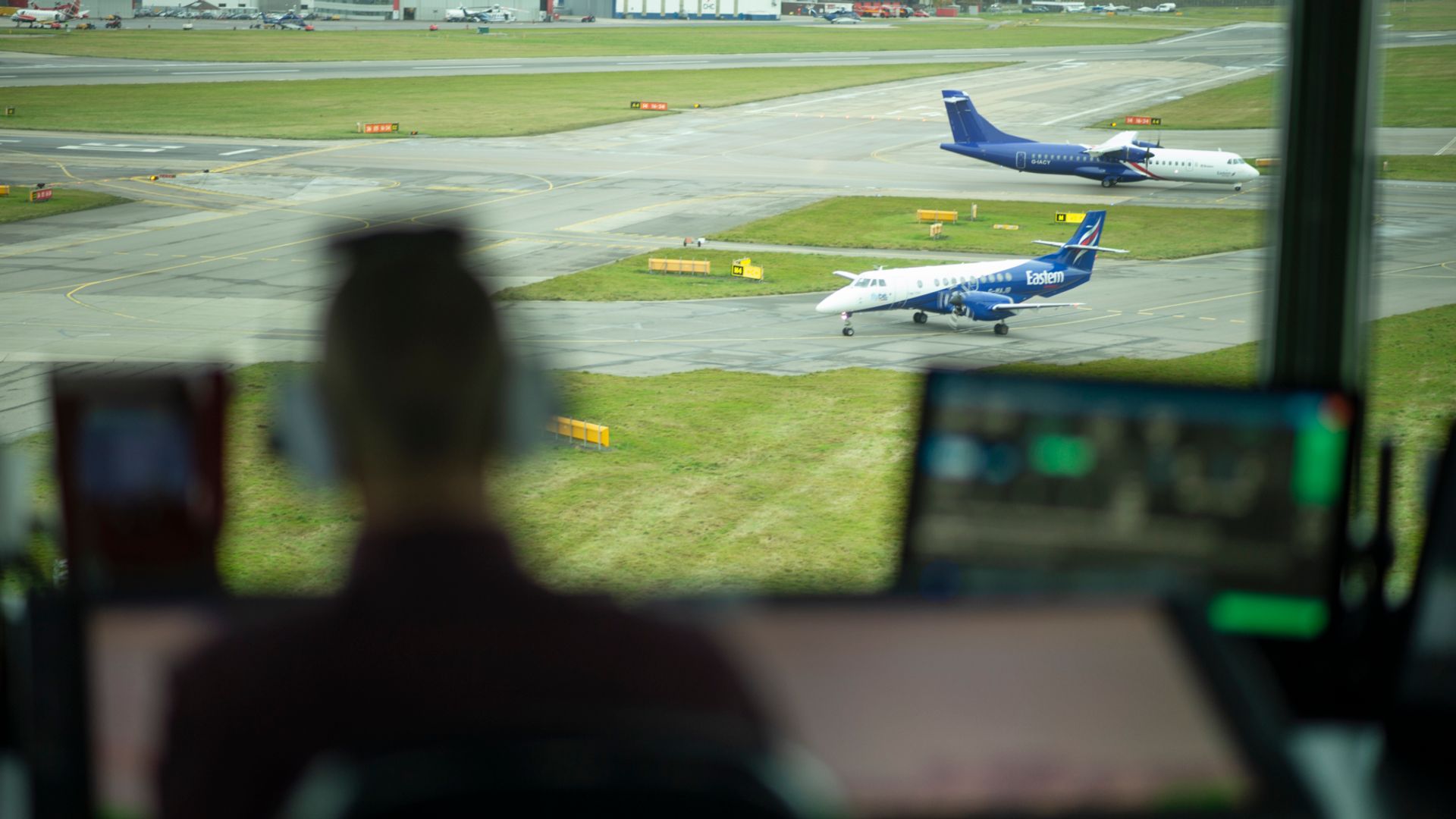
Across the UK, tens of thousands of air travelers have faced significant disruption as flights experience delays and cancellations. Whether you’re stranded at the airport or have had your travel plans upended, understanding your legal rights is crucial to navigating these stressful situations effectively.
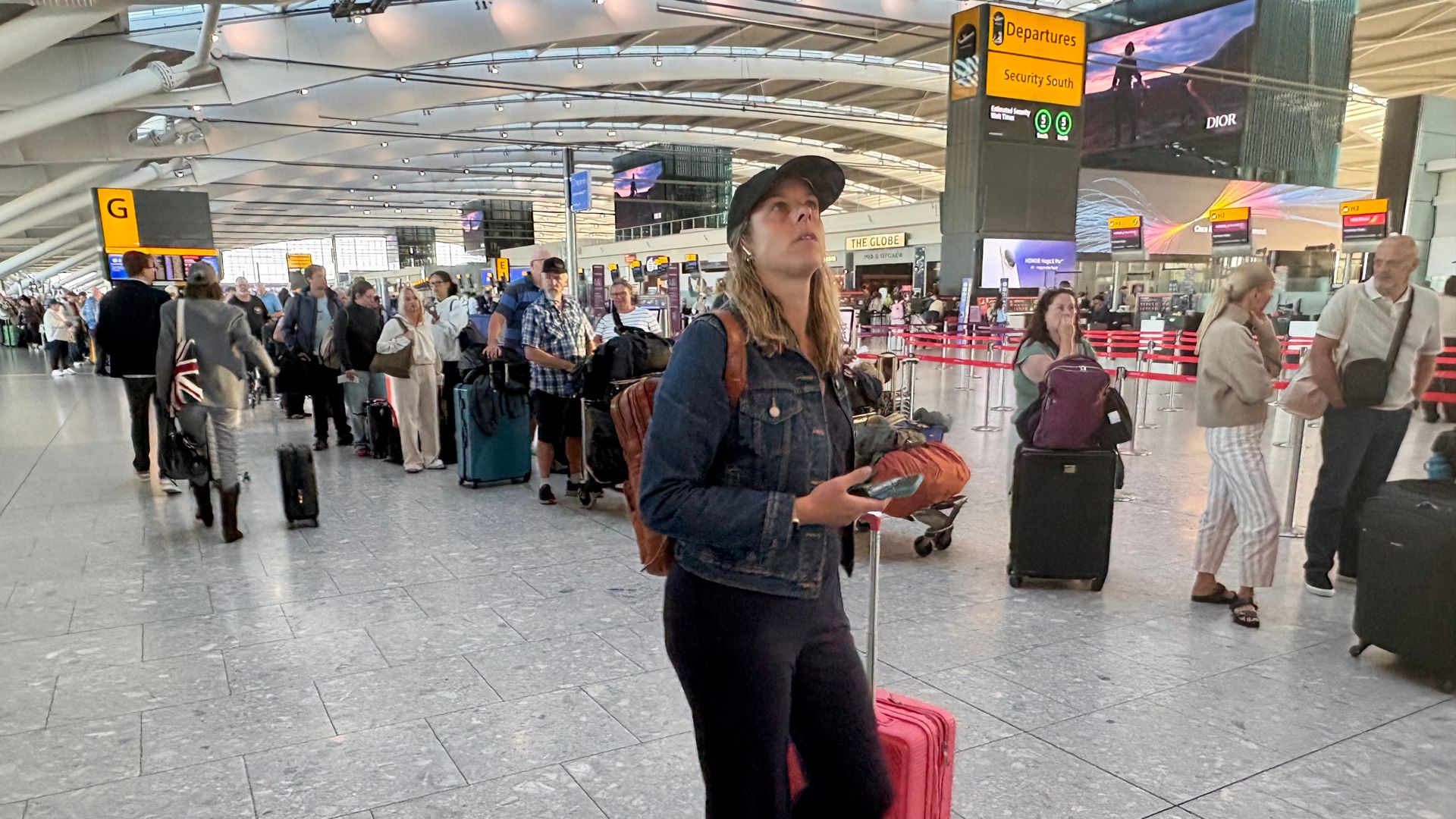
What to Do If Your Flight Is Delayed
Flight delays can range from minor inconveniences to major disruptions that throw off entire itineraries. In the UK, passenger rights are protected under both national and European regulations, primarily the EU Regulation 261/2004, which applies to flights departing from UK airports and those arriving in the UK on EU carriers.
If your flight is delayed by two hours or more, the airline must provide you with certain assistance depending on the length of the delay and the distance of your flight. This typically includes access to refreshments, meals, and communication channels such as phone calls or emails. For longer delays, especially those exceeding five hours, you also have the right to a full refund if you decide not to travel.
It’s important to keep all receipts for expenses incurred due to delays, as you may be entitled to reimbursement. Additionally, airlines should keep you informed about the cause and expected duration of the delay.
Compensation for Cancellations and Extended Delays
When airlines cancel flights, passenger rights become even more critical. If your flight is cancelled, the airline must offer you the choice between a full refund or re-routing to your destination at the earliest opportunity. Compensation guidelines also come into play depending on how close to departure the cancellation occurs and the notification you receive.
Under EU regulations still honored post-Brexit, passengers on flights delayed by three hours or more or those facing cancellations may be entitled to compensation ranging from £220 to £520, depending on the flight distance. However, airlines can deny compensation if the disruption was caused by extraordinary circumstances beyond their control, such as extreme weather or security risks.
Passengers should submit compensation claims directly through the airline’s customer service channels. If the airline rejects your claim unjustly, you can escalate the issue to the Civil Aviation Authority (CAA) or seek independent legal advice.
Why Knowing Your Rights Matters
Being caught unprepared during flight disruptions can result in unnecessary stress, financial loss, and wasted time. Knowing your rights allows you to insist on proper treatment, secure compensation, and avoid being misled by airline staff or policies that may not prioritize passenger welfare.
UK airports have experienced an unprecedented surge in delays and cancellations, fueled by staffing shortages and operational challenges in the post-pandemic recovery phase. This makes it more important than ever for travelers to be vigilant and proactive.
Remember, airlines are legally obligated to assist passengers in these situations. Your awareness and assertiveness can transform a frustrating delay into a manageable inconvenience with clear recourse.
Looking Ahead: Staying Prepared
Flight disruptions are likely to remain a feature of modern air travel, especially during peak seasons. To protect yourself:
- Monitor your flight status closely through airline apps and official airport updates.
- Keep all travel documents and receipts handy for any claims.
- Familiarize yourself with the airline’s policies and the UK’s passenger rights framework.
- Consider travel insurance that covers delays and cancellations for added protection.
Being informed empowers you to handle travel hiccups with confidence and ensures that your rights as a passenger are respected and upheld.
Understanding and exercising your rights when flights are delayed or cancelled not only safeguards your immediate travel plans but also helps push the industry toward better service standards and accountability.