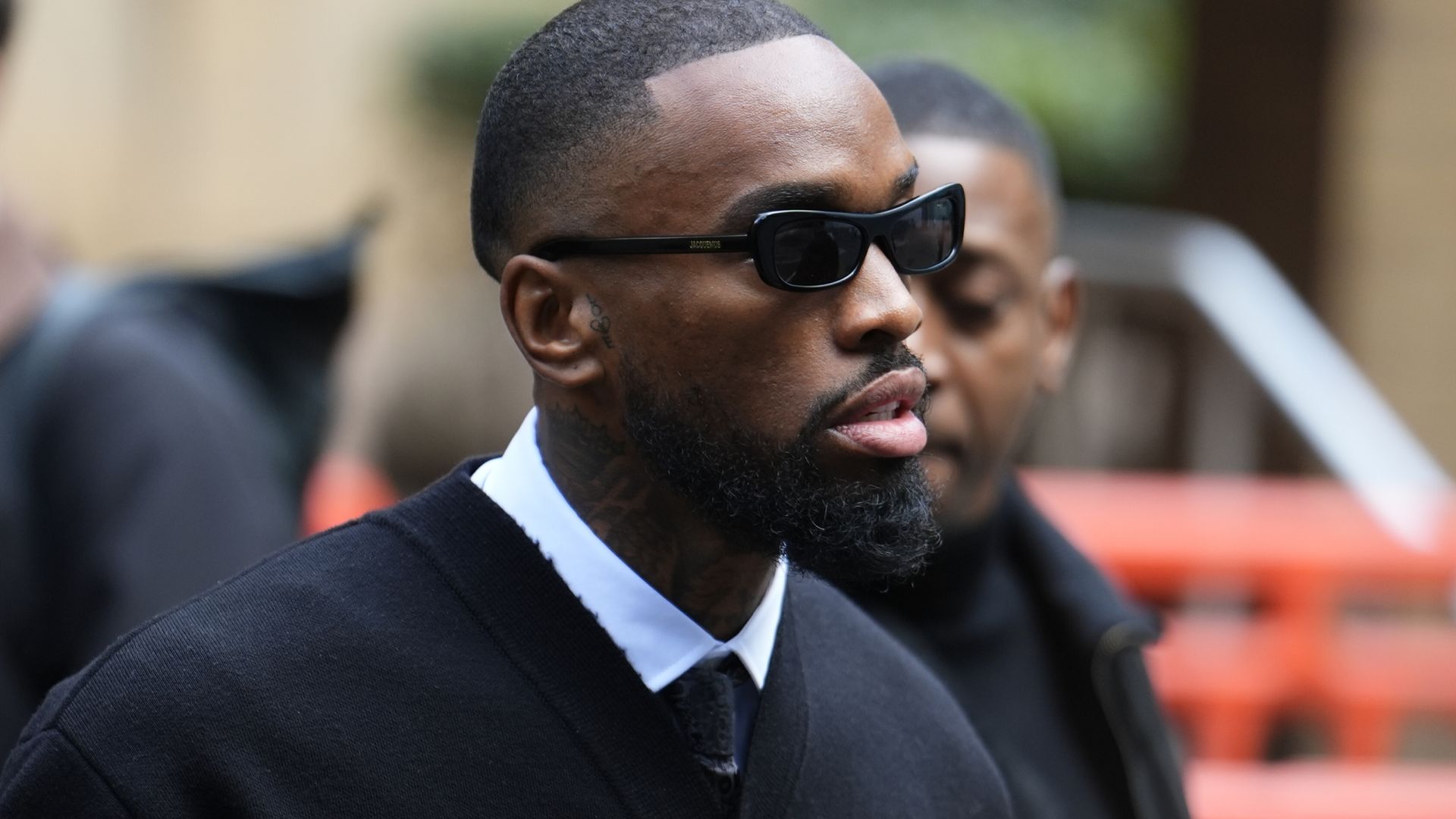
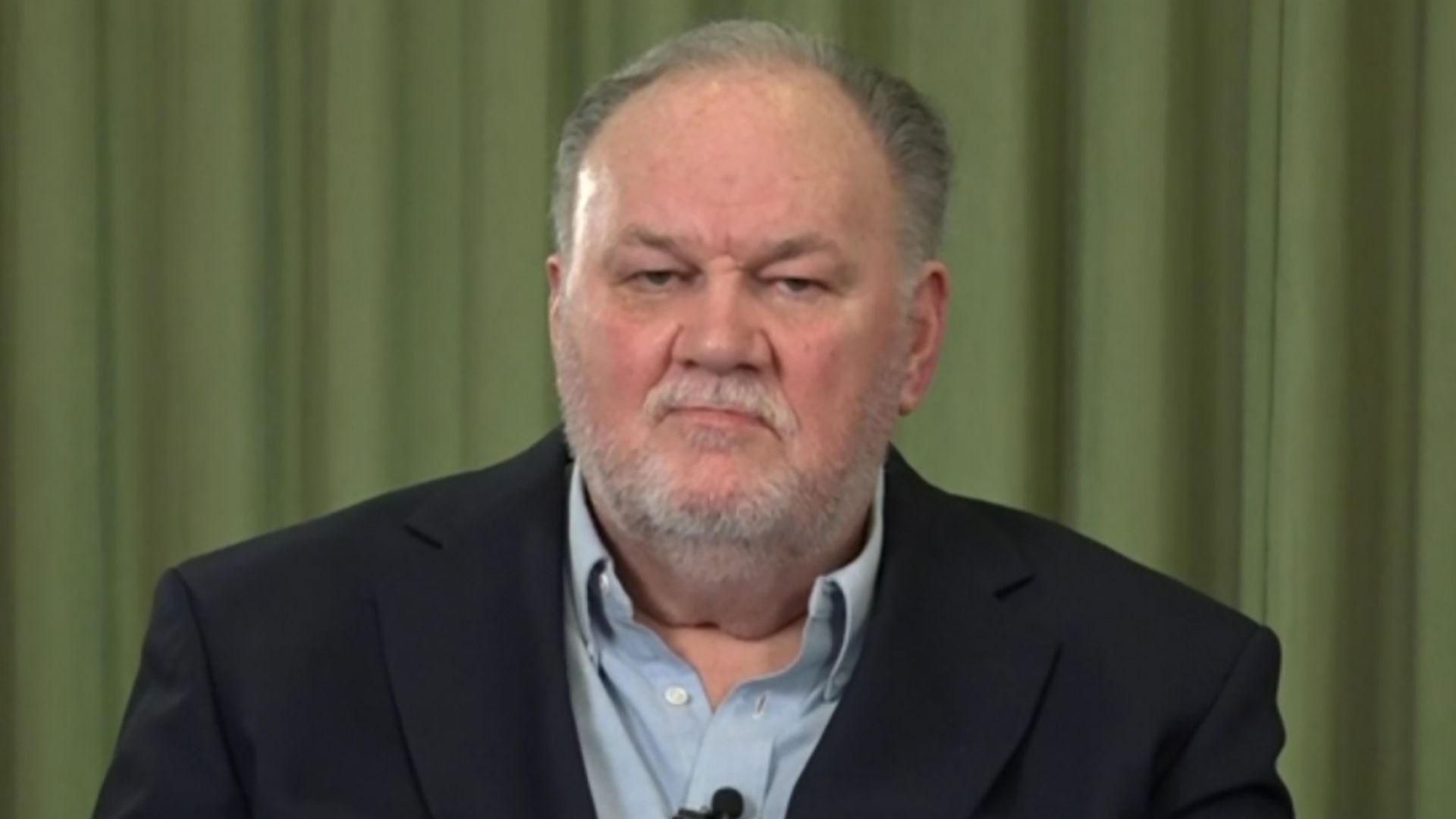
The Metropolitan Police Service has taken the unusual step of referring itself to the Independent Office for Police Conduct (IOPC) following concerns over its handling of a letter containing allegations about Thomas Markle Sr., the father of the Duchess of Sussex.
What Happened: The Controversial Letter and Police Response
The letter in question reportedly included serious claims concerning Thomas Markle Sr., prompting scrutiny over how the Met managed the matter. In response, the Metropolitan Police proactively sought an independent review by the IOPC, the body responsible for overseeing police conduct and ensuring accountability.
This self-referral signals the Met’s acknowledgment of potential procedural missteps or the need for transparent investigation into their handling of sensitive information linked to a high-profile individual connected to the British royal family.
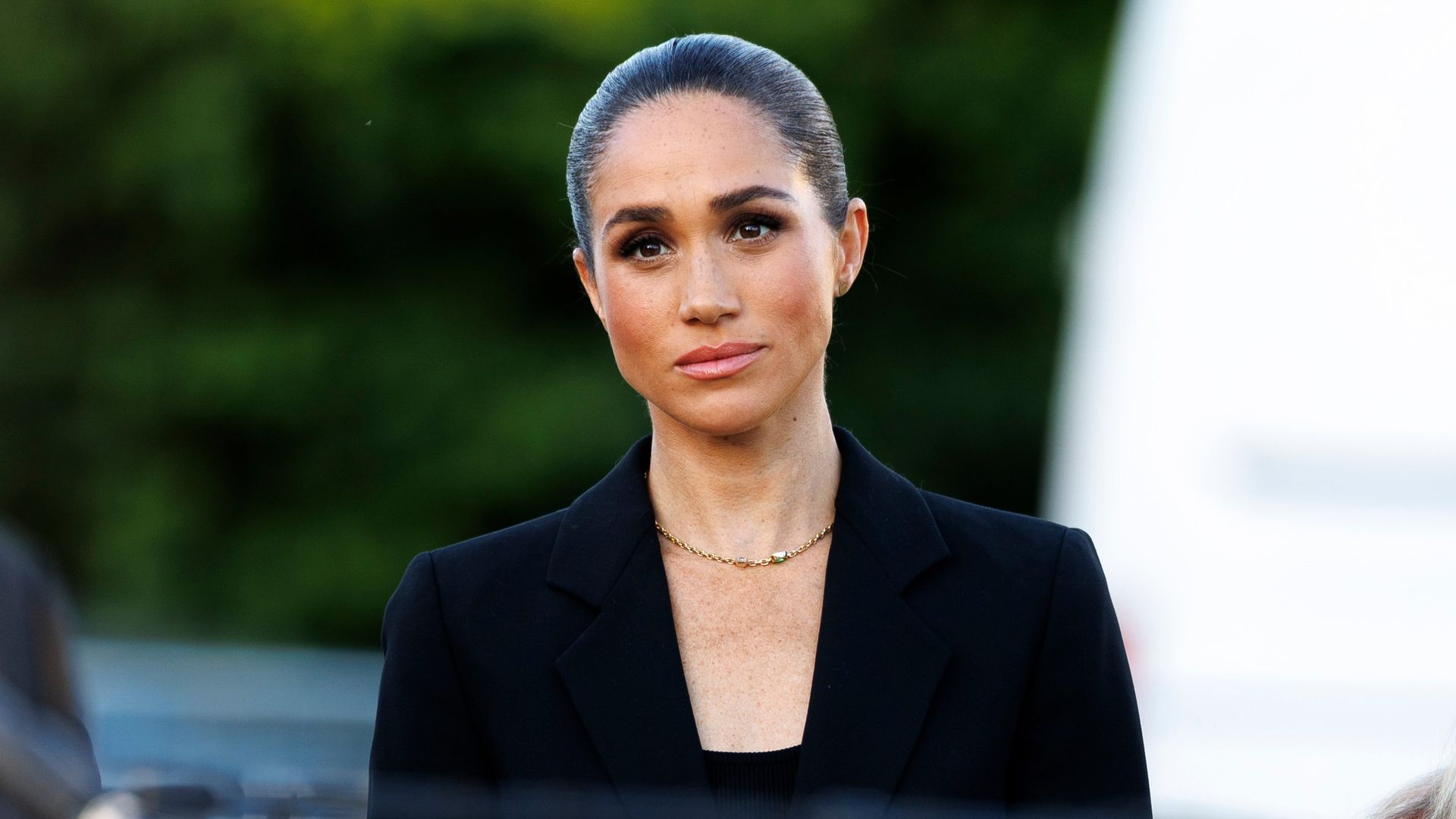
Thomas Markle Sr., a former lighting director who has been a controversial figure in media narratives surrounding the Duchess of Sussex, has been at the center of public attention for years. The involvement of his name in police matters related to allegations raised through correspondence adds a complex dimension to the ongoing scrutiny of royal family-related affairs.
Why the Referral Matters: Upholding Police Integrity in High-Profile Cases
Police referrals to the IOPC usually occur when there are concerns about misconduct, mishandling of evidence, or breaches of protocol. In this case, the Met’s decision to refer itself underscores the sensitivity attached to the allegations and the importance of maintaining public trust in law enforcement agencies.
Given the prominence of those involved, the Met faces heightened pressure to demonstrate impartiality and adherence to proper procedures. The IOPC’s involvement ensures an independent and transparent review, which is crucial in dispelling doubts about the police investigation’s fairness and thoroughness.
Such referrals also serve as a reminder of the challenges law enforcement faces when navigating cases intertwined with public figures and media interest. The balance between confidentiality, legal obligations, and public accountability becomes especially delicate.
What Comes Next: The Role of the IOPC and Broader Implications
The IOPC will now assess the Met’s actions concerning the letter to determine if any police conduct fell short of established standards. Their investigation will consider whether the police appropriately responded to the allegations and handled the information according to established protocols.
Outcomes could range from recommendations for procedural improvements to formal disciplinary actions if misconduct is found. This process aims to not only address the specific incident but also reinforce best practices for handling sensitive information in the future.
Beyond the immediate investigation, this development highlights broader issues around the treatment of public figures and their families within legal and media frameworks. It also reflects ongoing tensions between privacy, public interest, and law enforcement responsibilities.
Why This Matters: Ensuring Accountability and Transparency
The Metropolitan Police’s self-referral to the IOPC marks a significant moment in policing oversight, especially in cases involving prominent personalities. It reaffirms the principle that no institution is above scrutiny and that maintaining trust requires openness, even when dealing with complex or controversial issues.
For the public, this step may help restore confidence that the police are committed to ethical conduct and transparency, particularly in high-stakes situations. For those involved, it provides a formal avenue to ensure that any concerns are thoroughly and impartially examined.
As the investigation unfolds, it will be critical to monitor how law enforcement agencies adapt their protocols to safeguard integrity while balancing the demands of privacy and public interest.
Full details of the investigation and its findings have not yet been released.