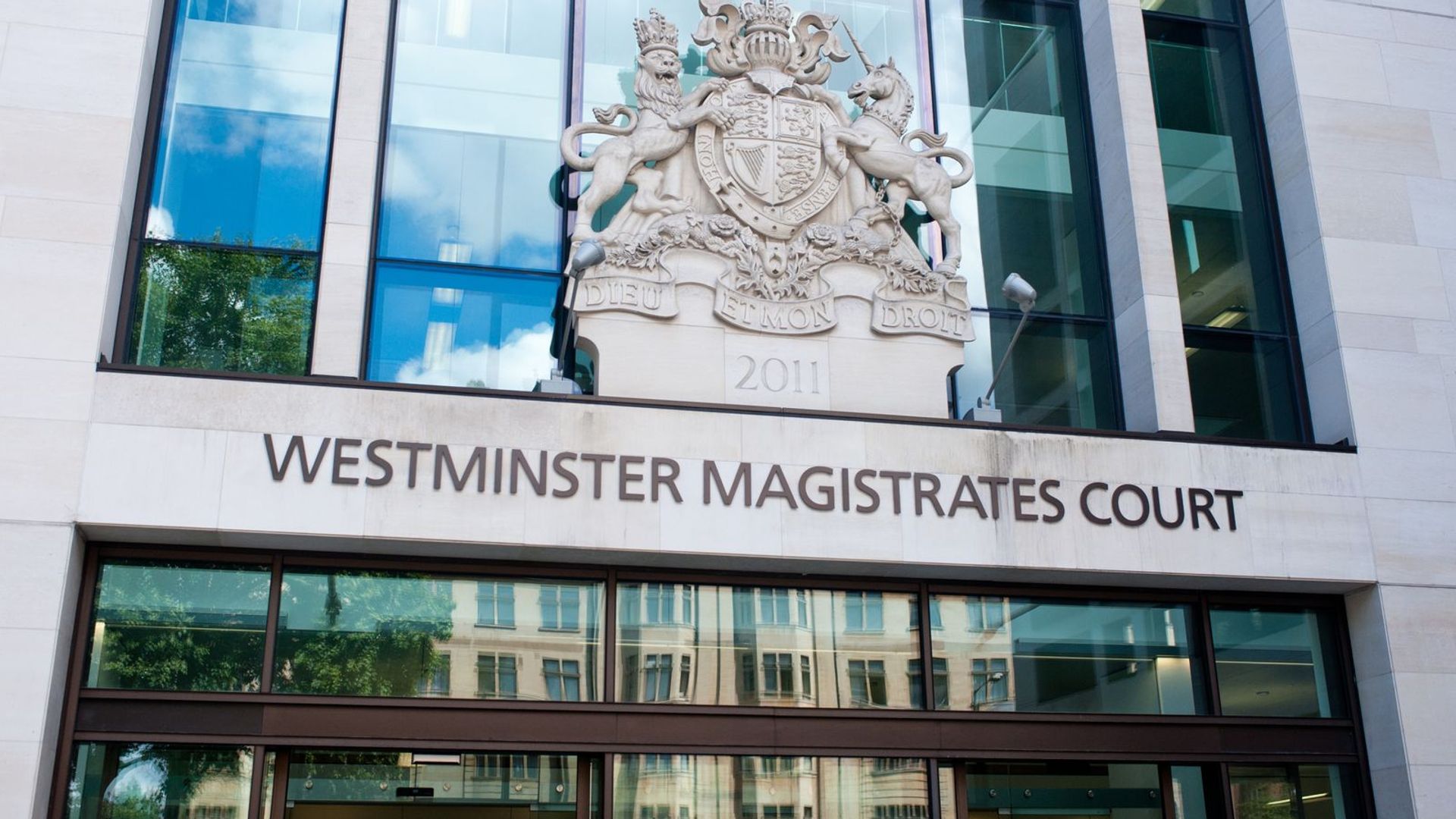
In a significant security development, two individuals were arrested in London on suspicion of aiding Iran’s intelligence operations. The Metropolitan Police confirmed the detentions, marking a rare public disclosure of concerns over foreign espionage activities within the UK capital.

Details of the Arrests and Investigation
The arrests were made following an ongoing investigation into suspected collaboration with a foreign intelligence agency, specifically linked to Iran. While authorities have not disclosed the identities of the suspects or the precise nature of the alleged assistance, the Metropolitan Police underscored the seriousness of the case given the implications for national security.
British law enforcement agencies have intensified their vigilance in recent years amid growing concerns about espionage and covert influence operations originating from foreign powers. Iran’s intelligence apparatus has been under scrutiny due to its history of overseas operations targeting dissidents, political opponents, and strategic interests.
These arrests likely stem from intelligence-led operations designed to disrupt and prevent hostile foreign activities on British soil. The UK government and security services maintain a robust stance against espionage, with legal frameworks empowering them to act decisively against individuals suspected of threatening national safety.
Why This Matters: The Broader Context of Espionage in the UK
The UK has long been a focal point for intelligence activities by various states, given its global influence and strategic alliances. London, as a cosmopolitan hub and political center, is particularly vulnerable to covert intelligence efforts.
Iran’s intelligence service, known for its sophisticated and often clandestine operations, has previously been linked to attempts to infiltrate diaspora communities, gather sensitive information, and exert influence abroad. Arrests like these highlight ongoing challenges faced by British security agencies in detecting and countering espionage threats.
Moreover, such incidents can strain diplomatic relations, as they often lead to heightened tensions between the UK and the implicated foreign state. The public nature of this case signals a willingness by UK authorities to confront espionage threats transparently and rigorously.
What Comes Next: Legal and Security Implications
The arrested individuals will face investigation and potentially prosecution under UK law, which criminalizes assistance to foreign intelligence services without authorization. The specifics of the charges and any subsequent trial details have not yet been released.
Security experts note that this case could trigger further counterintelligence measures and heightened monitoring of suspected foreign operatives. It also serves as a warning to others who might engage in similar activities within the UK, emphasizing that British authorities are vigilant and ready to act.
Intelligence-sharing between allied nations, including the US and European partners, may also intensify in response to such developments, reinforcing collective efforts to protect democratic institutions and national security interests.
Takeaway: A Clear Message Against Espionage
The recent arrests in London underscore the United Kingdom’s proactive approach to safeguarding its national security against foreign intelligence threats. With Iran’s intelligence service implicated, the case shines a spotlight on the complex and ongoing battle between state actors vying for influence within the UK.
As investigations continue and more information emerges, this episode serves as a critical reminder of the importance of robust counterintelligence operations. For London and the UK as a whole, maintaining vigilance against espionage remains essential to protecting democratic values, public safety, and international stability.