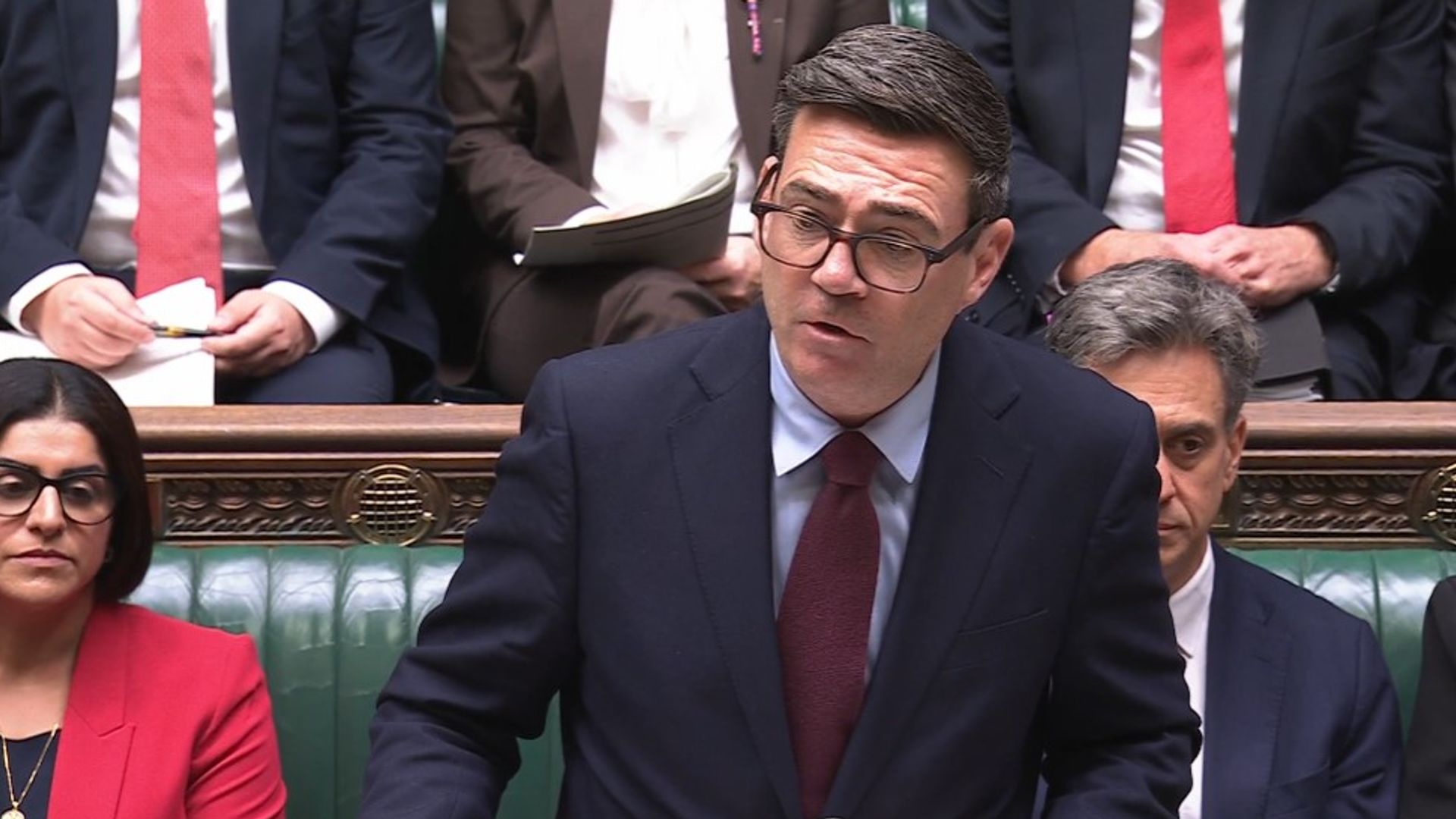
Andy Burnham, the Mayor of Greater Manchester and a prominent figure within the Labour Party, has positioned himself firmly against the privatization of the UK’s water industry. For Burnham, this issue transcends typical policy debates—it symbolizes a broader failure of public services and poses a significant challenge that could deepen divisions within Labour MPs.
Why Andy Burnham Sees Water Privatization as a Critical Issue
Water privatization in the UK has long been a contentious subject. Since the 1980s, the water industry has been under private ownership, with companies controlling supply, infrastructure, and pricing. Critics argue that this model has led to rising bills for consumers, underinvestment in infrastructure, and diminished accountability.
Andy Burnham views this situation not just as an economic misstep but as a fundamental failure of policy that undermines public trust. He believes that water—a vital public resource—should be managed as a public service, not a profit-driven enterprise. His stance challenges the status quo and calls for a radical reversal of privatization trends in critical sectors.
Burnham’s position resonates with a growing segment of the public and Labour supporters who feel that privatization has prioritized shareholder profits over essential service quality and affordability. This perspective puts him at odds with more centrist or market-friendly Labour MPs who prefer incremental reform rather than wholesale nationalization.
The Potential Labour Party Divide Over Water Policy
Within the Labour Party, opinions on water privatization vary widely, creating a potential fault line. While some MPs advocate for maintaining private ownership with stronger regulations, others, inspired by Burnham’s stance, demand a return to public ownership as part of a broader agenda to reverse privatization across utilities.
This debate is not simply about water—it reflects deeper ideological differences within Labour. On one side are progressives who view public ownership as a tool to ensure equity and prevent corporate exploitation. On the other are moderates who warn that reversing privatization could deter investment and complicate service management.
Andy Burnham’s vocal opposition elevates the issue to a high-stakes policy headache for Labour’s leadership. Balancing these competing perspectives will be crucial as the party strategizes for upcoming elections and seeks to present a unified vision to voters.
What This Means for Labour and the UK’s Water Future
Burnham’s campaign against water privatization highlights a broader political and social reckoning with how essential services are run in the UK. If Labour embraces his approach, it could signal a major shift toward public ownership and reshape the party’s economic platform.
However, this shift carries risks. It may alienate moderate voters and complicate internal party cohesion at a time when Labour aims to consolidate power. Conversely, ignoring calls to reform the water industry could reinforce perceptions that the party is out of touch with public concerns on affordability and service quality.
For consumers, the debate touches on everyday realities—affordable bills, clean water access, and reliable infrastructure. The outcome of this internal Labour debate will affect not only the party’s electoral prospects but also the future governance of a resource essential to all citizens.
Looking Ahead: Navigating a Divided Path
Andy Burnham’s firm stance against water privatization serves as a catalyst for urgent discussion within Labour. The party faces the challenge of crafting a coherent, compelling policy that addresses public concerns without fracturing its own ranks.
As this debate unfolds, Labour’s approach to water policy will become a litmus test for its broader commitment to public services and economic justice. Observers and voters alike will be watching closely to see whether Labour can reconcile these internal differences and present a unified front on one of the UK’s most pressing infrastructure issues.