Across the United Kingdom, a groundbreaking wargame recently put local authorities, emergency services, and military units through their paces to simulate a large-scale attack on British soil. This intense exercise revealed not only the challenges of coordinating a national response but also highlighted a widespread eagerness among participants to engage in worst-case scenario training. The operation offered critical insights into the nation’s preparedness for high-stakes threats.
What Happened During the Wargame?
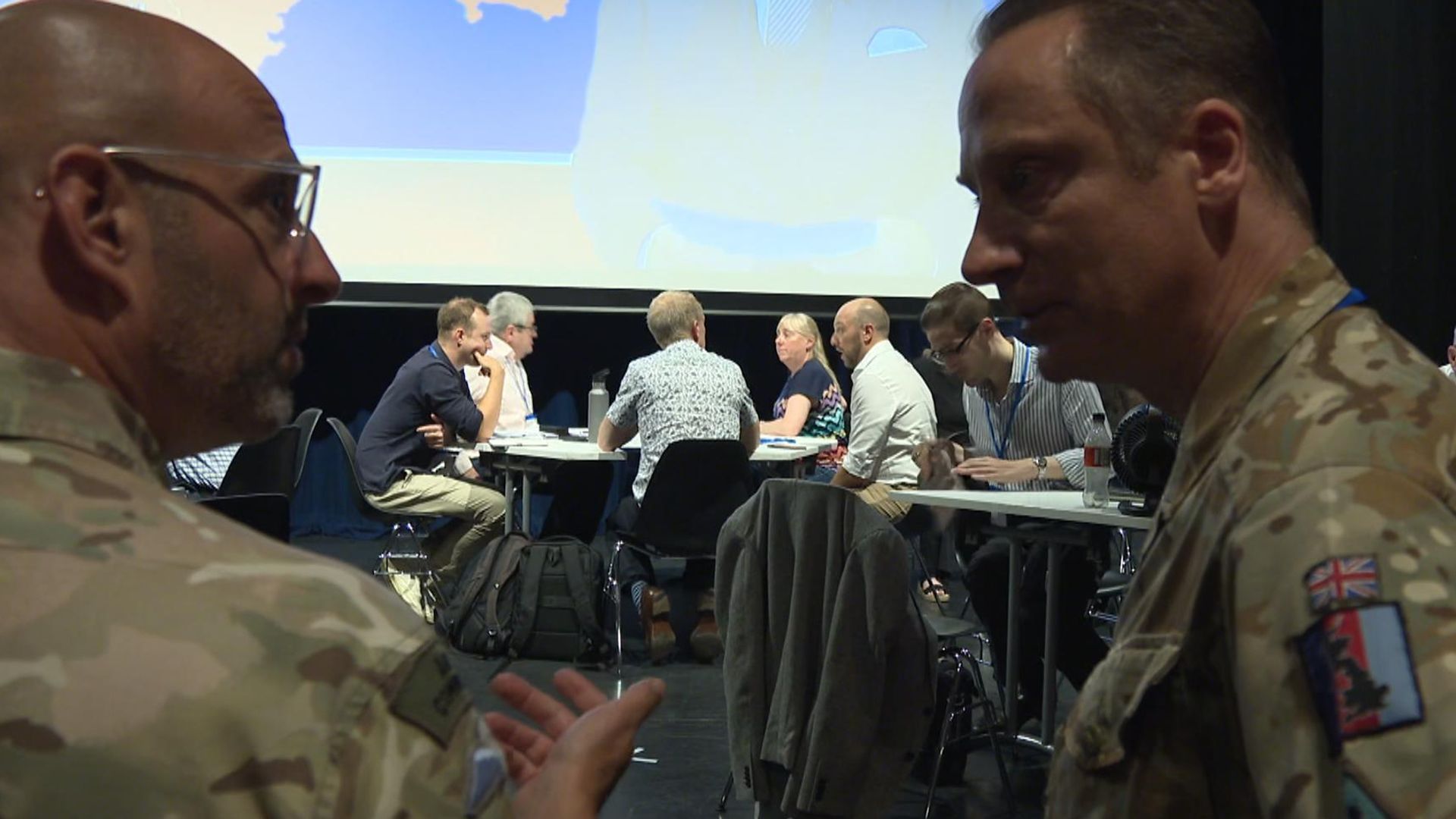
The wargame was designed to replicate a complex attack scenario targeting the UK, forcing a diverse range of agencies to collaborate under pressure. Local councils, police forces, fire brigades, medical responders, and various branches of the military all played integral roles in the simulation. Each group had to rapidly assess the evolving situation, deploy resources, and coordinate with other stakeholders to contain the crisis and protect civilian populations.
Participants faced realistic challenges including communication breakdowns, resource shortages, and rapidly changing threat landscapes. This created a dynamic environment where decision-makers had to adapt quickly, demonstrating the real-world complexities of national emergency management. The exercise also tested command structures and interoperability between civilian and military agencies, a crucial factor in any effective defence strategy.
Why This Training Matters for UK Security
As geopolitical tensions rise and threats evolve, the UK faces an increasing need to prepare for potential attacks—whether from hostile states, terrorist groups, or cyber warfare. This wargame served as a vital opportunity to stress-test existing contingency plans and identify gaps in readiness.
Importantly, the exercise revealed a genuine appetite across the UK’s emergency landscape for more frequent and rigorous training on worst-case scenarios. Local authorities and emergency services expressed a strong commitment to improving their capabilities, recognizing that such drills are essential to saving lives and maintaining public order during crises.
Moreover, the wargame reinforced the importance of a unified approach that integrates military support with civilian emergency response. By practicing these joint operations, the UK enhances its resilience and ensures that when a real attack occurs, the response will be swift, coordinated, and effective.
What Comes Next for UK Home Defence Preparedness?
Following the wargame, officials are analyzing lessons learned to refine protocols, communication channels, and resource deployment strategies. These improvements aim to bolster the UK’s defence infrastructure ahead of future threats.
There is also a push to expand such training exercises beyond the military and emergency services to include broader community stakeholders. Engaging local populations in preparedness initiatives can strengthen societal resilience and foster a culture of readiness throughout the country.
In addition to practical training, policymakers are expected to review national security frameworks to ensure they reflect the complexities revealed during the wargame. This comprehensive approach will help the UK adapt to an increasingly uncertain security environment.
Why It Matters to Every Citizen
While the wargame focused on institutional readiness, its implications extend to all UK residents. National security relies on coordinated efforts between official agencies and informed, prepared communities. Understanding how authorities respond in crises can build public confidence and encourage individual preparedness.
In an era where threats can emerge suddenly and escalate rapidly, exercises like this wargame serve as a crucial safeguard. They help ensure that when the country faces danger, every part of the response machinery—from local councils to armed forces—operates seamlessly to protect lives and maintain stability.
Ultimately, the recent wargame offers a revealing look into the UK’s home defence capabilities and underscores the ongoing need for robust, realistic training. As threats continue to evolve, the nation’s commitment to readiness remains a cornerstone of its security strategy.