A legal firm representing over 200 survivors of alleged abuse by the former Harrods owner, Mohamed al Fayed, has revealed that compensation claims against him could potentially reach a staggering £150 million. This development highlights the magnitude of the accusations and the serious repercussions for one of the UK’s most prominent businessmen.
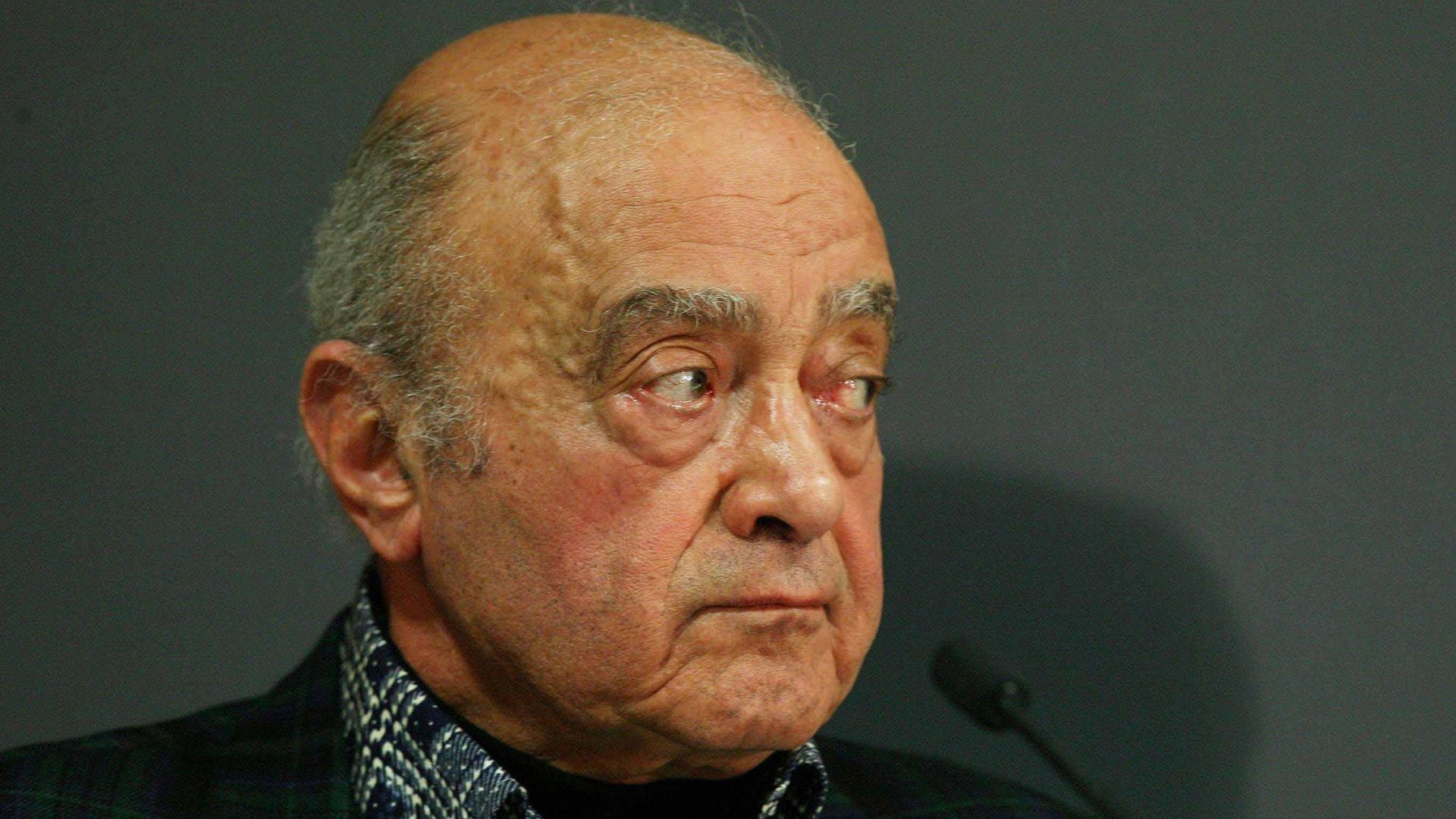
Background: Allegations Against Mohamed al Fayed
Mohamed al Fayed, once the celebrated owner of the luxury department store Harrods in London, now faces a growing wave of legal claims from individuals who allege they suffered abuse under his watch. The allegations have surfaced over recent years, involving more than 200 survivors who have come forward seeking justice and financial redress.
Al Fayed, a figure known for his lavish lifestyle and high-profile business dealings, has denied any wrongdoing. However, the sheer volume of claimants and the seriousness of their accusations have escalated the case into one of the most significant abuse compensation claims involving a single individual in recent British history.
Scope and Scale of the Claims
The law firm handling these claims has emphasized the potential financial impact, estimating that the total compensation payouts could climb as high as £150 million. This figure reflects not only the number of survivors but also the severity of the alleged abuses and the damages sought.
Such a sum underscores the gravity of the allegations and the legal complexities involved. Compensation in abuse cases typically covers a range of factors, including physical and psychological harm, long-term trauma, and loss of earnings or opportunities resulting from the abuse.
The claims process is ongoing, and the law firm continues to gather evidence and represent survivors who have courageously stepped forward. This collective legal action represents a significant mobilization of survivors demanding accountability from a once-powerful figure.
Why This Matters: Accountability and Justice
The potential £150 million compensation claims against Mohamed al Fayed carry broader implications beyond the financial aspect. At their core, these claims challenge entrenched systems of power and impunity, particularly in cases involving influential figures.
Survivors of abuse often face immense barriers when seeking justice, including societal stigma, legal hurdles, and the daunting prospect of confronting wealthy opponents. The scale of these claims demonstrates a shift toward greater accountability and support for victims.
Moreover, the case shines a spotlight on the importance of safeguarding mechanisms within organizations and businesses. It raises urgent questions about how abuse can persist under the oversight of powerful individuals and what changes are necessary to prevent future harm.
What Comes Next: Legal Proceedings and Public Impact
As the claims proceed, legal teams will continue to build cases, negotiate settlements, or potentially push for court trials. The outcome of these proceedings will not only affect the survivors seeking compensation but could also influence how similar cases are handled in the future.
The public and media attention surrounding this case may encourage other survivors to come forward, further expanding the scope of claims. It also places pressure on institutions connected to al Fayed, including former business entities, to examine their own responsibilities and responses.
Given the complexity and sensitivity of abuse claims, the legal journey may take considerable time, but the firm representing survivors remains committed to achieving justice and fair compensation for those affected.
Closing Takeaway
The unfolding legal battle against Mohamed al Fayed for alleged abuse brings to light the profound impact of such claims on survivors and society at large. With compensation potentially reaching £150 million, this case underscores the weight of accountability demanded by victims and the urgent need for systemic change to protect vulnerable individuals. As this story develops, it will remain a critical example of how justice can be pursued against powerful figures and the importance of support for survivors of abuse.