A growing coalition of British MPs from multiple political parties is calling on the government to replace the iconic bearskin caps worn by the King’s Guard with cruelty-free, synthetic alternatives. This push highlights increasing concerns over animal welfare and the ethical implications of using real bear pelts in ceremonial military attire.
What Is the Issue with Bearskin Caps?
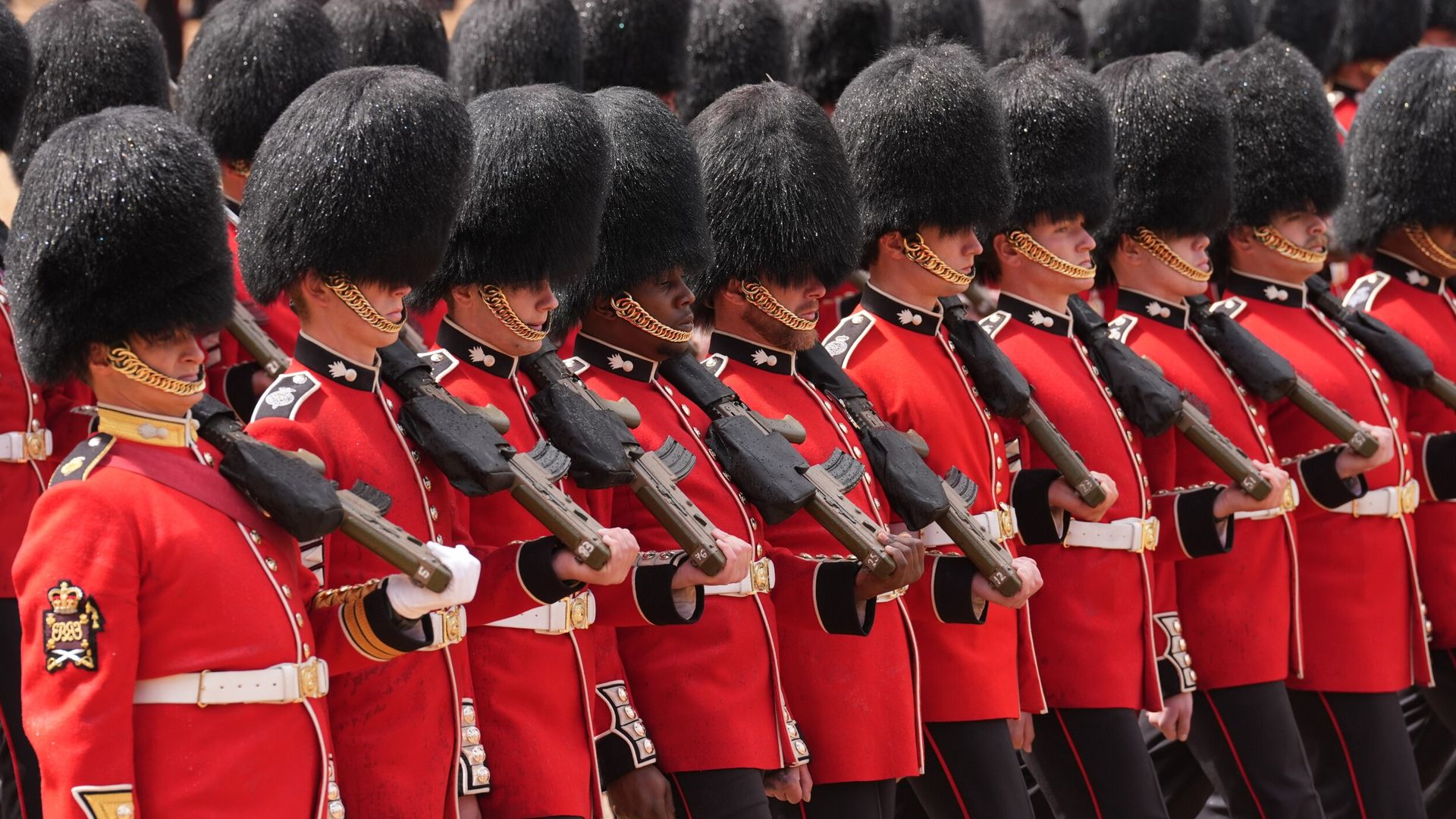
The distinctive tall, black bearskin hats have been a hallmark of the King’s Guard uniforms for centuries, symbolizing tradition and prestige. These hats are traditionally crafted from the pelts of Canadian black bears, a practice that has sparked controversy among animal rights advocates and lawmakers alike.
Each bearskin cap requires the pelt of a single bear, which is hunted and killed specifically for this purpose. Critics argue that this method is outdated and unnecessary, especially given the availability of high-quality synthetic materials that can replicate the look and feel of real fur without causing harm.
The MPs behind the campaign emphasize that continuing to use real fur is out of step with modern ethical standards and public sentiment, which increasingly favors animal-friendly alternatives. The use of real bear pelts also raises questions about wildlife conservation and the sustainability of sourcing such materials.
Why MPs Are Pushing for Change Now
This cross-party group of MPs stresses that replacing real fur with synthetic options would not only align with evolving animal welfare values but also modernize the image of the British military in a way that resonates with contemporary society.
They point out that other ceremonial units worldwide have already adopted faux fur or other synthetic materials for similar headgear without compromising tradition or appearance. By following suit, the British government can demonstrate leadership in ethical military practices.
Moreover, the MPs argue that the cost and maintenance benefits of synthetic bearskins could be significant. Real fur requires specialized care and can be more expensive to maintain over time, whereas modern faux fur is durable, weather-resistant, and easier to clean.
What This Means for Tradition and Animal Welfare
For many, the bearskin cap is a powerful symbol of British heritage, steeped in history dating back to the early 19th century. The challenge lies in balancing respect for tradition with the ethical imperative to protect animals and embrace sustainable practices.
Replacing real bear pelts with faux fur would mark a significant shift but one that aligns with broader societal trends toward animal rights and ethical sourcing. It would also send a clear message that the United Kingdom values humane treatment of wildlife while preserving its ceremonial customs.
The MPs’ campaign reflects a broader movement to reexamine historical practices through a modern ethical lens. Should the government heed this call, it could pave the way for more innovations in how tradition and progress coexist in public institutions.
Looking Ahead: The Future of the King’s Guard Uniform
The government has yet to announce any formal response to the MPs’ request. However, the debate is likely to intensify as animal welfare continues to gain prominence in public discourse.
Should the change be implemented, the King’s Guard would become a global example of how institutions can honor longstanding traditions while embracing ethical advancements. This evolution would reflect shifting public values and the military’s commitment to responsible stewardship.
Ultimately, this campaign underscores a critical question: How can deeply rooted customs adapt to align with contemporary ethical standards without losing their symbolic power? The decision on the bearskin caps may well set a precedent for addressing similar issues across other ceremonial and cultural practices.
As the conversation unfolds, the eyes of the nation—and the world—will be on the government’s next move regarding one of Britain’s most recognizable symbols.