At first glance, the UK’s economic landscape may appear stable, but the Bank of England has delivered a stark warning about a looming surge in energy prices that could significantly disrupt households and businesses alike. This alert signals deeper challenges ahead amid a fragile recovery from recent economic shocks.
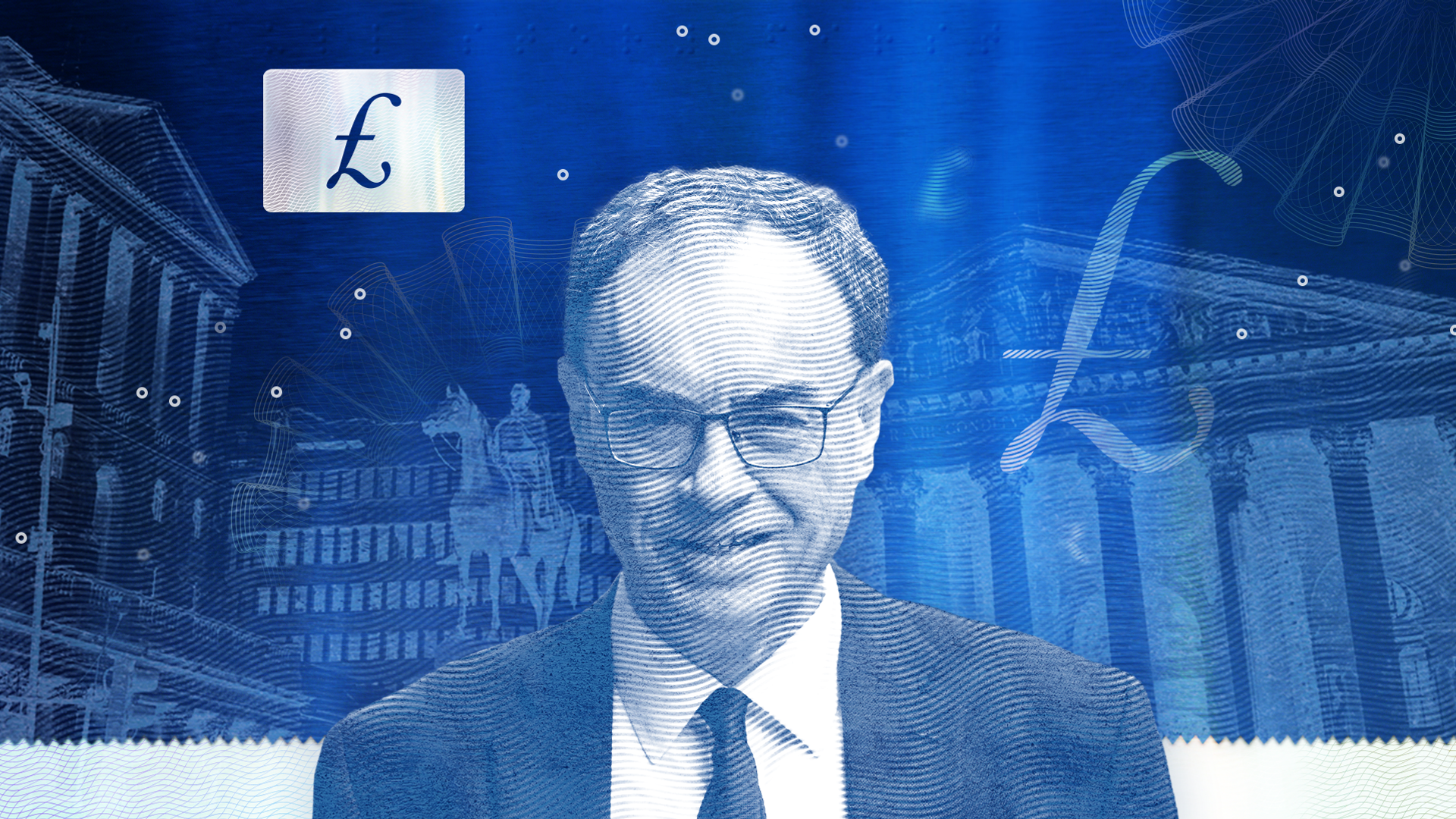
Why the Energy Price Hike Matters
The Bank of England’s recent assessment highlights an impending rise in energy costs that threatens to intensify inflationary pressures across the UK. Energy prices are a critical component of both household budgets and business operating expenses, meaning any sharp increase can ripple through the entire economy.
Rising energy bills not only strain consumers financially but also reduce discretionary spending, slowing economic growth. For businesses, especially those heavily reliant on energy like manufacturing and transportation, higher costs can squeeze profit margins and potentially lead to job cuts or price increases on goods and services.
Energy price shocks historically have been a key driver of inflation spikes in the UK, forcing the central bank to reconsider interest rate policies. The Bank of England’s warning signals that policymakers must prepare for tougher decisions to keep inflation in check without derailing economic recovery.
What Triggers the Surge in Energy Prices?
Several global and domestic factors contribute to this forecasted energy price hike. International energy markets have experienced volatility due to geopolitical tensions, supply chain disruptions, and fluctuating demand as economies worldwide adjust post-pandemic.
On the domestic front, the UK faces challenges in transitioning to renewable energy sources while managing existing infrastructure costs. Regulatory changes and carbon pricing mechanisms also impact the cost structure for energy providers, which often pass these expenses on to consumers.
Moreover, the Bank of England’s warning reflects concerns about how external shocks—such as colder winters or supply shortages—could exacerbate price increases. These elements combine to create a precarious environment for energy affordability in the near term.
Implications for Consumers and Policymakers
For UK households, the expected rise in energy prices threatens to deepen the ongoing cost-of-living crisis. Many families are already grappling with inflation in food, housing, and transportation costs. Increased energy bills will further erode disposable income, potentially pushing more households into financial hardship.
From a policy perspective, the Bank of England’s alert underscores the urgency for coordinated government action. This could involve targeted support measures to shield vulnerable consumers, investments in energy efficiency, and accelerating the shift toward more stable renewable energy sources.
Additionally, the central bank faces a delicate balancing act. Raising interest rates to combat inflation might restrain economic growth and increase borrowing costs for households and businesses, yet failing to act could allow inflation to spiral, eroding purchasing power further.
Looking Ahead: Preparing for an Uncertain Energy Future
The Bank of England’s warning serves as a critical reminder that energy price volatility remains a central risk to the UK’s economic stability. While immediate impacts will be felt in household budgets, the broader implications for inflation, business confidence, and monetary policy are profound.
Consumers should brace for higher energy bills in the coming months, while businesses must plan for increased costs that could affect pricing and investment decisions. Policymakers will need to navigate these challenges carefully to support economic resilience without fuelling inflationary spirals.
Ultimately, this situation highlights the importance of long-term strategies focused on energy security, affordability, and sustainability as the UK transitions to a low-carbon economy. Ensuring stable and predictable energy costs will be vital to safeguarding economic growth and protecting vulnerable populations in an increasingly uncertain global landscape.