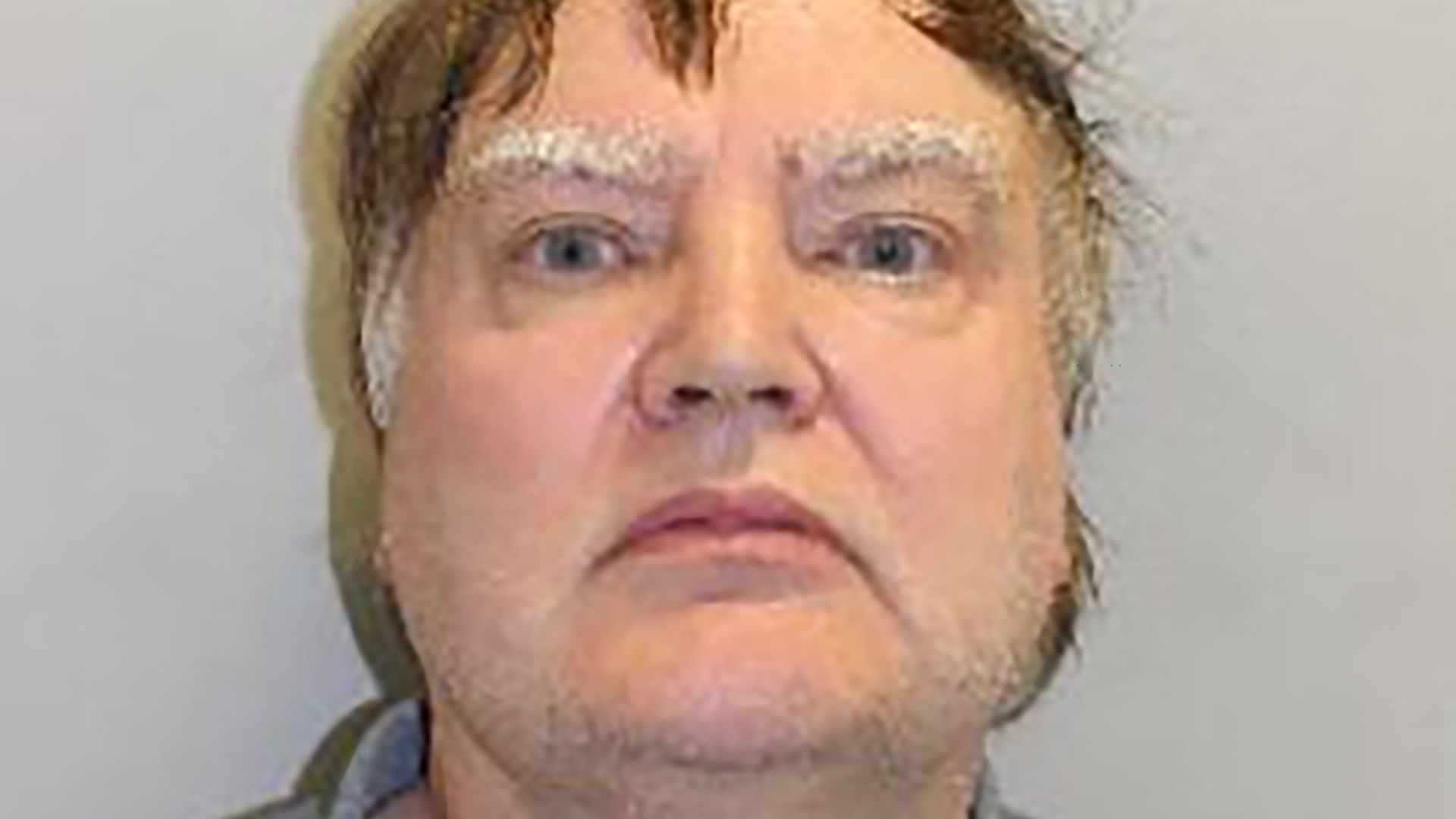
The harrowing legacy of the 1994 Rwanda genocide continues to unfold in courtrooms decades later, as a doctor now stands accused of orchestrating and overseeing multiple ruthless murders. Prosecutors allege that this medical professional was a key figure in the orchestration of six brutal killings, including the stoning of a taxi driver and the cold-blooded murder of a woman and her child.
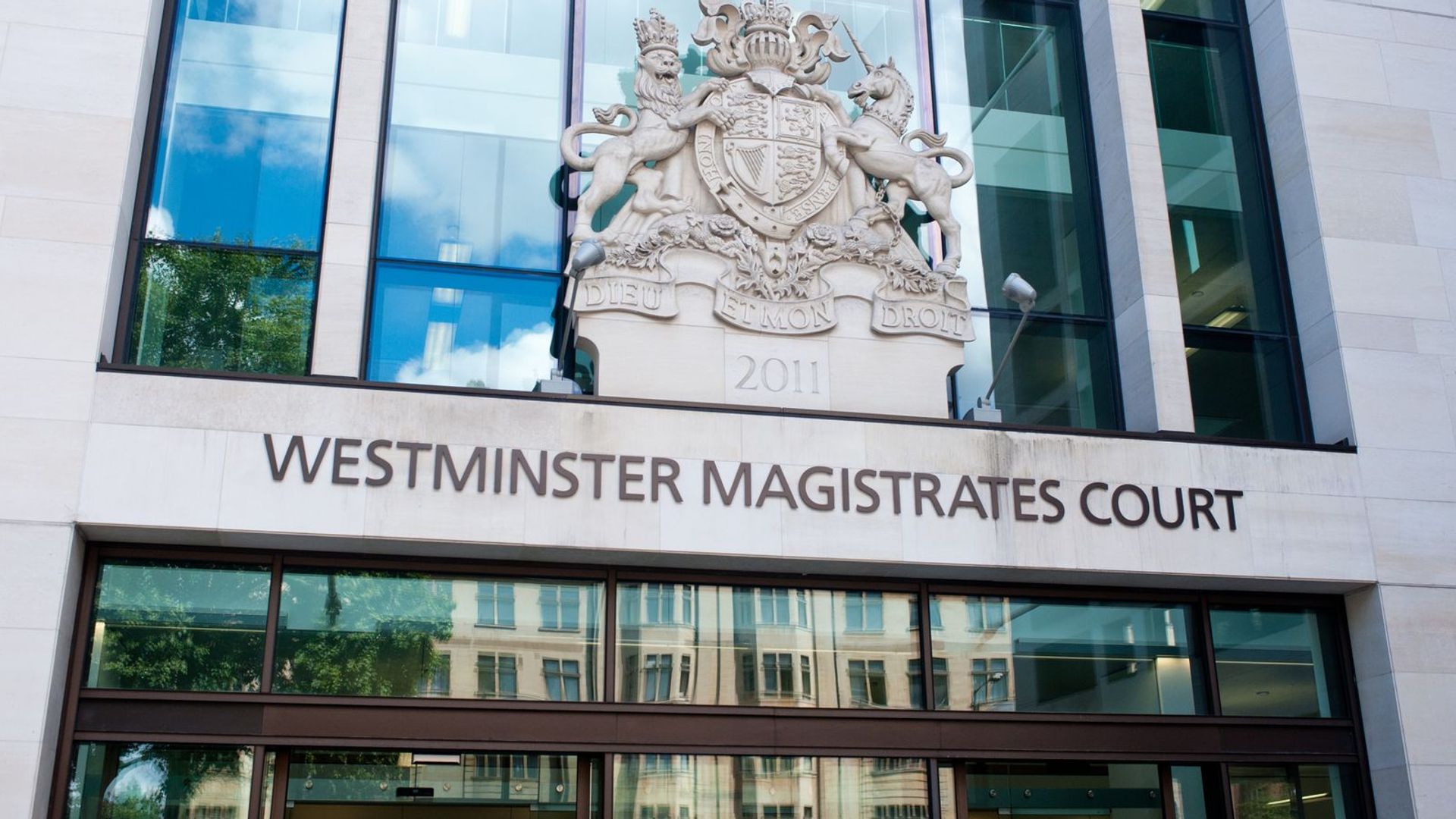
The Allegations: A Doctor Tied to Genocide Murders
The accusations paint a chilling portrait of a medical doctor who, rather than saving lives, is charged with supervising and facilitating heinous acts during one of the darkest periods in Rwanda’s history. Specifically, the court heard that the accused was directly involved in at least six murders committed amid the genocide’s widespread ethnic violence.
Among the victims was a taxi driver who met a brutal death by stoning—a method of execution that underscores the savage nature of the crimes. The accused’s alleged role extended beyond mere presence; testimony indicates active participation and supervision of these brutal acts, implying a level of authority and control over the perpetrators.
Another victim was a woman, killed alongside her child, further emphasizing the indiscriminate and merciless violence inflicted upon civilians during the genocide. These acts did not occur in isolation but formed part of a coordinated campaign targeting specific groups, with the accused allegedly playing a supervisory role in ensuring the executions were carried out.
Context: The Rwanda Genocide and Its Aftermath
The 1994 Rwanda genocide saw the systematic slaughter of approximately 800,000 people, predominantly from the Tutsi ethnic minority, over a period of roughly 100 days. This mass atrocity shocked the world and led to an unprecedented international response, including the establishment of the International Criminal Tribunal for Rwanda (ICTR) and subsequent national trials to bring perpetrators to justice.
The involvement of professionals such as doctors in the genocide highlights the complex and tragic realities of the conflict. While doctors are traditionally seen as healers, some were accused of betraying their oaths and participating in the violence. These cases underscore how deeply the genocide permeated Rwandan society, corrupting all levels, including the medical community.
Bringing such individuals to trial remains crucial to Rwanda’s ongoing efforts to reconcile and rebuild. Each case adds to the historical record and serves justice to victims and survivors, ensuring that those responsible are held accountable for their actions.
Why This Trial Matters: Justice and Reconciliation
This trial carries profound significance beyond the courtroom. It serves as a vital mechanism for delivering justice to victims and their families, many of whom continue to live with the trauma inflicted by the genocide. Holding a doctor accountable for supervising killings challenges the notion that professionals were immune to participation in these atrocities.
Moreover, the proceedings contribute to Rwanda’s broader reconciliation process by confronting painful truths about the genocide. They reinforce the principle that no individual, regardless of status or profession, is above the law when it comes to crimes against humanity.
As Rwanda moves forward, these trials help cement the foundation for lasting peace and remind the world of the importance of vigilance against genocidal violence. They also emphasize the need for continued education and remembrance to prevent such tragedies from recurring.
Looking Ahead: The Path to Accountability
The court’s investigation and prosecution of this doctor form part of a wider effort to address the full scope of the Rwanda genocide’s horrors. While many perpetrators have been tried and convicted, others remain under scrutiny as evidence emerges.
Ensuring thorough and transparent trials maintains the integrity of Rwanda’s justice system and honors the memory of those who perished. The outcome of this case will likely influence future proceedings and reinforce global human rights standards.
Ultimately, this trial underscores the enduring impact of the Rwanda genocide and the relentless pursuit of justice. It reminds us that accountability, no matter how delayed, remains essential to healing and preventing future atrocities.