The longstanding prohibition on drinking alcohol inside football stadiums during matches is facing renewed scrutiny. Prime Minister Andy Burnham has declared the ban discriminatory and outdated, urging a reconsideration of rules that have governed the sport since the mid-1980s. This move has sparked a national conversation about fairness, fan culture, and public safety at sporting events.
The Origins and Current State of the Alcohol Ban in Football Stadiums
Since 1985, supporters in the top five tiers of men’s football in the UK have been banned from consuming alcohol in the stands. This legislation emerged amid serious concerns over football hooliganism and violence that plagued the sport during that era. Authorities believed that limiting alcohol consumption at matches would help curb disorderly behaviour and improve safety for fans.
However, decades later, the landscape of football fandom has evolved significantly. Yet the alcohol ban remains in place, even as other sports like rugby and cricket allow spectators to bring and consume alcohol during live games without facing similar restrictions. This discrepancy has led to growing frustration among football fans and officials alike.
Andy Burnham’s Challenge to the Status Quo
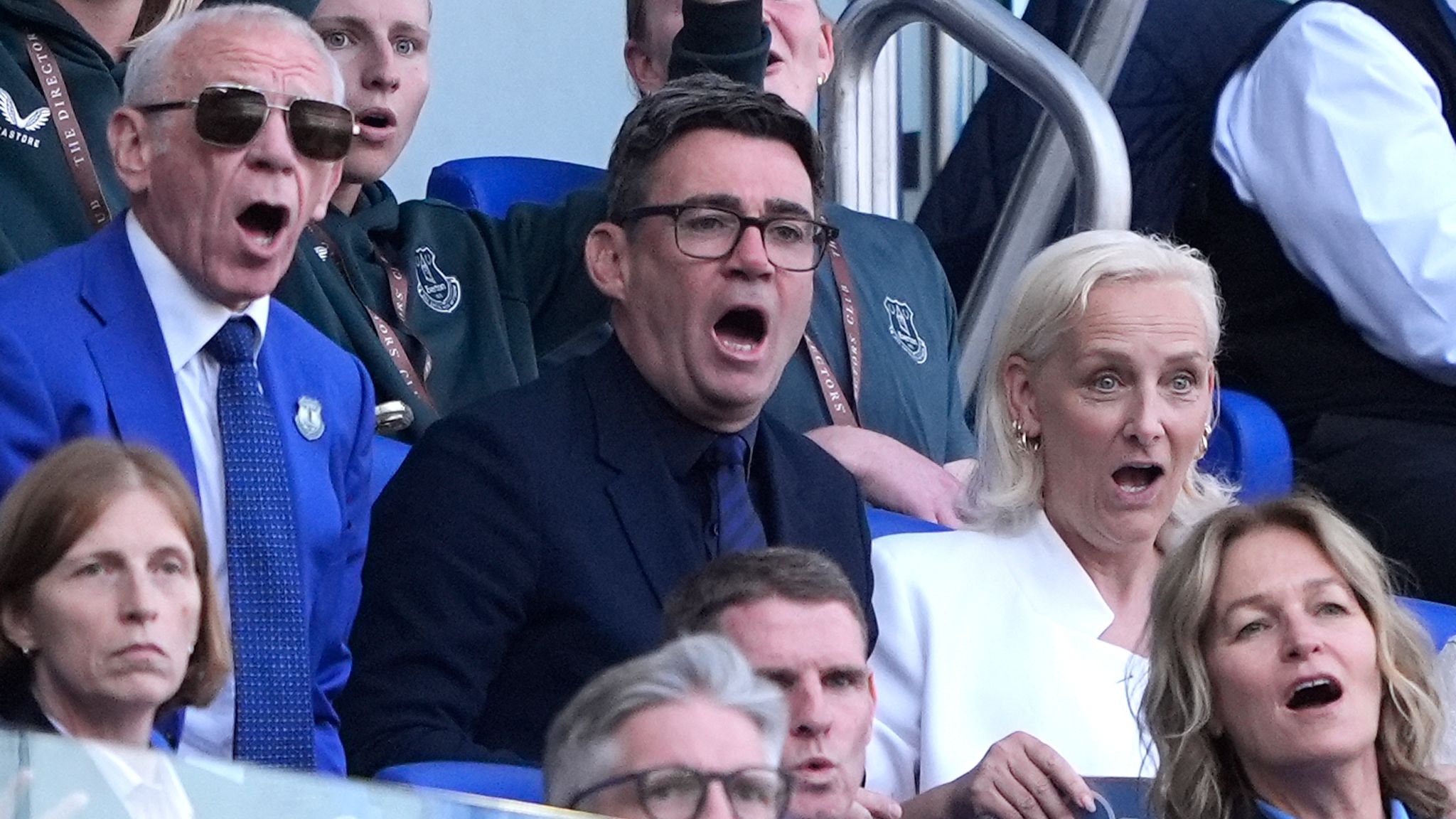
Andy Burnham publicly voiced his opposition to the ban following a visit to a rugby league match at Everton’s stadium, where he observed fellow spectators enjoying pints openly. Accompanied by Liverpool Mayor Steve Rotheram, Burnham questioned why football fans endure different rules in the very same seats.
“I don’t think it’s fair for football fans to be singled out in that way,” Burnham stated. “That legislation dates to an era where football was very different, and I do believe there is a case to remove that discrimination. There are different ways it could be done, perhaps on a trial basis.”
Burnham has long held this view, emphasizing that singling out football supporters for stricter alcohol restrictions is unjust, especially when fans of other sports enjoy more lenient policies without widespread problems.
Support from Fans and Officials
The Football Supporters’ Association (FSA) warmly welcomed Burnham’s comments, citing successful alcohol trials in women’s football as evidence that controlled consumption can enhance the matchday experience without escalating risks. Tom Greatrex, chairman of the FSA, highlighted the inconsistency, pointing out that fans can drink alcohol at concerts or rugby league games while being prohibited from doing so at football matches from the very same seats.
Education Secretary Lucy Powell also acknowledged the importance of the discussion, underscoring the need to preserve the “family environment” and “good atmosphere” that football matches traditionally offer. She noted that while alcohol consumption is permitted before and during half-time, the restrictions during play remain a contentious issue.
Concerns from Law Enforcement and Public Safety Advocates
Despite the growing support for relaxing the ban, the UK Football Policing Unit issued a cautionary statement. They warned that any sudden removal of restrictions could be “incredibly rash” without thorough consultation and evidence-based planning.
The policing unit stressed that football uniquely experiences higher instances of violence and criminal behaviour linked to alcohol consumption compared to other sports. Even if only a minority of fans engage in disruptive conduct, alcohol often plays a significant role in exacerbating these issues, complicating efforts to maintain order and safety.
Ongoing Experiments and Regional Variations
In Scotland, trials allowing alcohol sales in designated areas of Hampden Park’s concourse during international matches against Switzerland and Slovenia have shown promising results. This marks a notable shift, given that Scottish stadiums have enforced alcohol bans since the early 1980s.
These trials may serve as a blueprint for other clubs and governing bodies considering more flexible approaches to alcohol policies, balancing fan enjoyment with the imperative for security and public order.
Why This Debate Matters
The question of whether football fans should be allowed to drink alcohol in the stands goes beyond mere preference—it touches on issues of fairness, cultural identity, and public safety. Football is Britain’s most popular sport, attracting millions of supporters from diverse backgrounds. Restrictive rules that single out football fans risk alienating a passionate community and perpetuating outdated stereotypes about fan behaviour.
At the same time, authorities must grapple with the legacy of hooliganism and ensure that any policy changes do not compromise the safety and enjoyment of all attendees. Careful, evidence-based reforms—potentially beginning with trial schemes—could modernize the matchday experience while addressing legitimate concerns about violence and disorder.
Andy Burnham’s call to revisit this ban could mark a turning point. If successful, it may pave the way for a more inclusive and enjoyable stadium culture that treats football fans with the same respect afforded to other sports enthusiasts.
As this debate unfolds, the key will be balancing tradition, safety, and fairness—a challenge that demands thoughtful dialogue among fans, clubs, law enforcement, and policymakers.