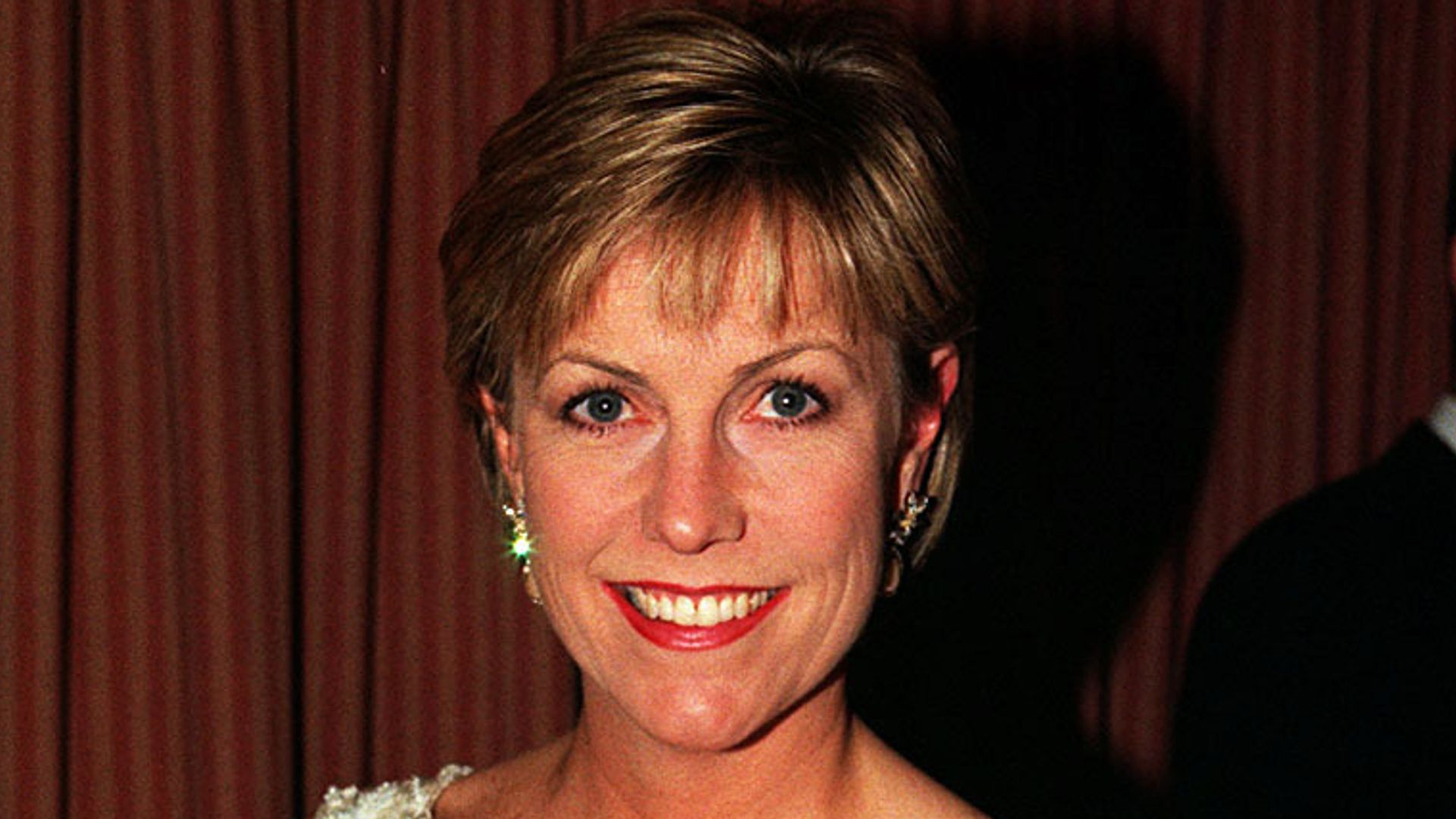
The unsolved murder of Jill Dando, the beloved BBC presenter shot dead nearly three decades ago, is receiving renewed investigative attention as police re-examine critical CCTV footage using cutting-edge enhancement technology. This development revives hopes of breakthroughs in a cold case that has haunted the UK for 27 years.
Revisiting a Tragic Cold Case
On a spring day in April 1999, Jill Dando was fatally shot outside her home in West London. The shocking crime sent ripples through the nation and sparked one of the most extensive murder investigations in British history. Despite exhaustive inquiries, no one has been convicted, and the case remains officially unsolved.
The police are now focusing on CCTV footage captured shortly after the shooting, hoping that advances in digital image enhancement can reveal new details missed by earlier technology. Modern forensic imaging tools can clarify blurred or grainy footage, potentially identifying suspects, vehicles, or other key clues that were previously obscured.
This renewed review underscores the enduring commitment of law enforcement to solving Jill Dando’s murder and delivering justice to her family and the public.
Why CCTV Footage Holds New Promise
In 1999, CCTV cameras were not as widespread or sophisticated as they are today. The footage filmed around Jill Dando’s home was limited in quality and resolution, constraining investigators’ ability to extract actionable evidence. At the time, digital enhancement methods were rudimentary, leaving many images grainy and unclear.
Fast-forward to 2024, technological leaps have transformed how law enforcement agencies analyze visual evidence. Artificial intelligence-driven software and advanced algorithms can now amplify details, stabilize shaky frames, and even reconstruct obscured features. These tools can turn previously unusable CCTV clips into valuable investigative assets.
By applying these modern techniques to the original recordings, detectives hope to uncover new leads, such as identifying suspicious individuals or vehicles present near the crime scene, narrowing down timelines, or confirming witness accounts. This process could breathe new life into the investigation, which has long relied on witness testimonies and circumstantial evidence.
The Lasting Impact and What Comes Next
Jill Dando’s murder devastated her family, friends, and fans across the UK. As a respected journalist and television presenter, her death underscored vulnerabilities in public safety and the challenges of protecting high-profile individuals. Over the years, numerous theories and suspects emerged, but none led to a conviction.
Re-examining the CCTV footage symbolizes a broader trend in law enforcement: leveraging technology to revisit cold cases that once seemed impenetrable. It offers a measure of hope not only for Jill Dando’s loved ones but for countless victims of unsolved crimes awaiting closure.
While police have not disclosed specific details about what the footage might reveal, the commitment to applying new forensic methods represents a significant step forward. If the enhanced images yield promising evidence, it could trigger fresh lines of inquiry, renewed witness appeals, or even arrests.
What this means is that advances in forensic science continue to reshape the landscape of criminal investigations, offering opportunities to solve historical mysteries once thought beyond reach. For Jill Dando’s case, this renewed focus may finally bring answers after nearly three decades.
As the investigation progresses, the public and media will watch closely, hoping that technology can unlock the truth behind the tragic loss of one of Britain’s most cherished broadcasters.