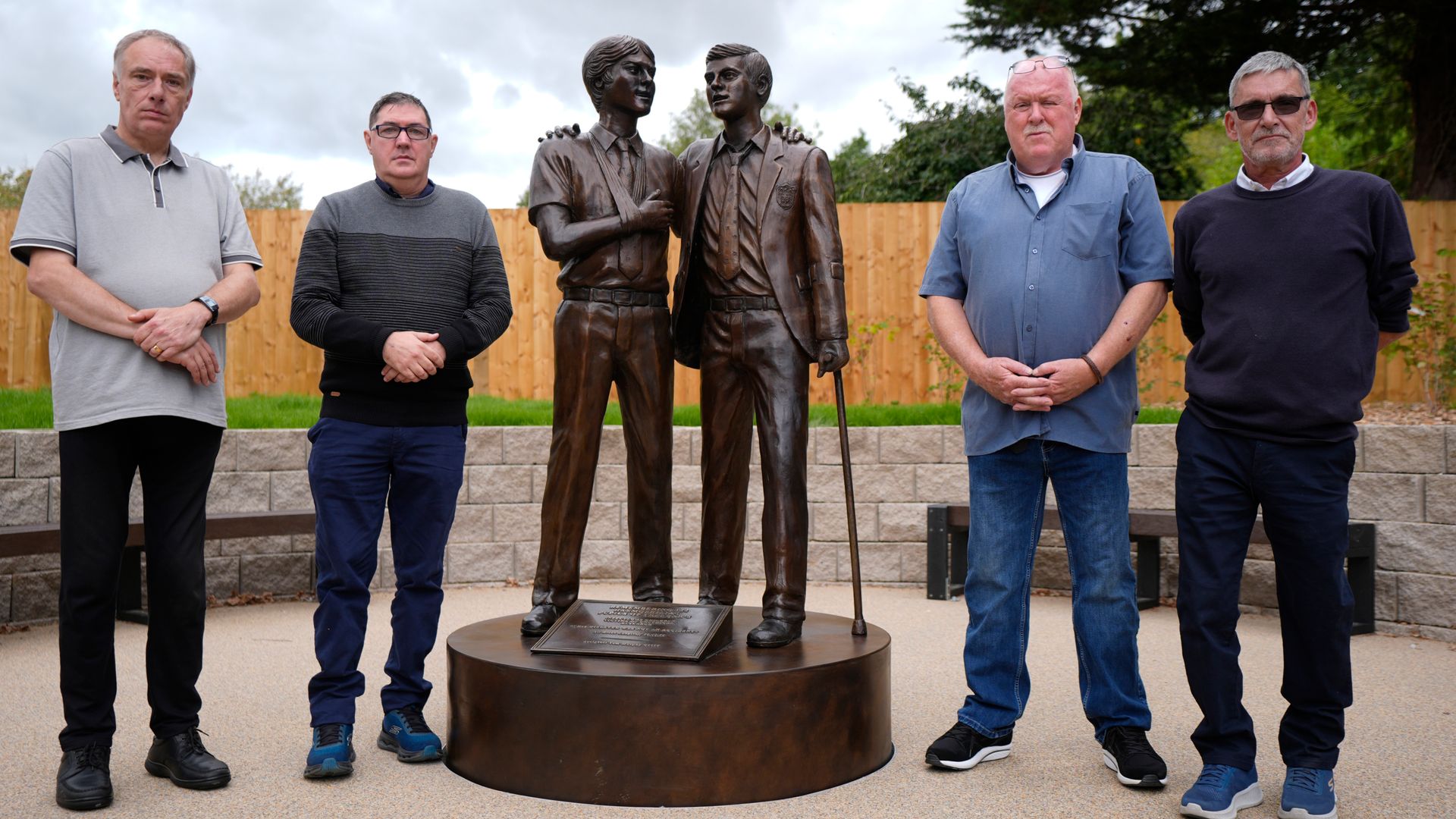
A poignant new memorial now stands at a school to honor boys with haemophilia who were tragically infected with HIV and hepatitis through experimental treatments decades ago. These children, once patients in groundbreaking medical trials, endured lifelong consequences due to contaminated blood products administered in the quest to manage their bleeding disorder.
Background: The Haemophilia Treatment Tragedy
Haemophilia is a rare genetic disorder characterized by impaired blood clotting, leading to excessive bleeding even from minor injuries. In the 1970s and 1980s, treatments for haemophilia primarily involved transfusions of clotting factor concentrates derived from donated blood plasma. During this era, blood screening protocols and viral inactivation methods were either rudimentary or nonexistent.
As a result, many haemophiliac patients worldwide, including these boys, were exposed to contaminated blood products. The infected factor concentrates transmitted life-threatening viruses such as HIV and hepatitis C, causing devastating health complications. Often, these treatments were experimental, intended to improve haemophilia management but tragically resulting in unintended infections.
The Memorial: Remembering the Innocent Victims
The newly unveiled memorial at the school where these boys studied serves as a solemn tribute to their courage and suffering. It acknowledges not only their struggles with haemophilia but also the compounded hardship of viral infections contracted through medical interventions meant to help them.
By placing the memorial in their educational environment, the community ensures that the stories of these children remain visible and honored. It also recognizes the ethical complexities surrounding experimental therapies in vulnerable populations, highlighting the critical need for stringent safety standards in medical research.
Why This Memorial Matters
This memorial is more than a remembrance; it is a powerful reminder of the human cost of medical progress when safeguards fail. It underscores the importance of rigorous clinical testing, transparent patient consent, and robust blood safety measures.
For families affected by haemophilia and blood-borne infections, the memorial provides a place of reflection and recognition. It also serves as an educational tool, prompting current and future generations to remember the lessons from past medical practices and to advocate for patient protection.
Moreover, the memorial reflects broader societal responsibility. It calls on governments, researchers, and healthcare providers to prioritize ethical standards and patient safety to prevent similar tragedies.
Looking Forward: Lessons and Legacy
While the boys’ lives were irreversibly altered by these infections, their legacy now contributes to ongoing improvements in haemophilia treatment and blood safety. Advances such as recombinant clotting factors produced without human plasma and comprehensive viral screening have drastically reduced infection risks in modern therapy.
The memorial stands as a testament to resilience and a commitment to ethical medical progress. It challenges the medical community to continuously balance innovation with patient welfare, ensuring that no child suffers as these boys did.
In remembering these young victims, society honors their memory and reinforces the imperative for vigilance in medical treatment and research.