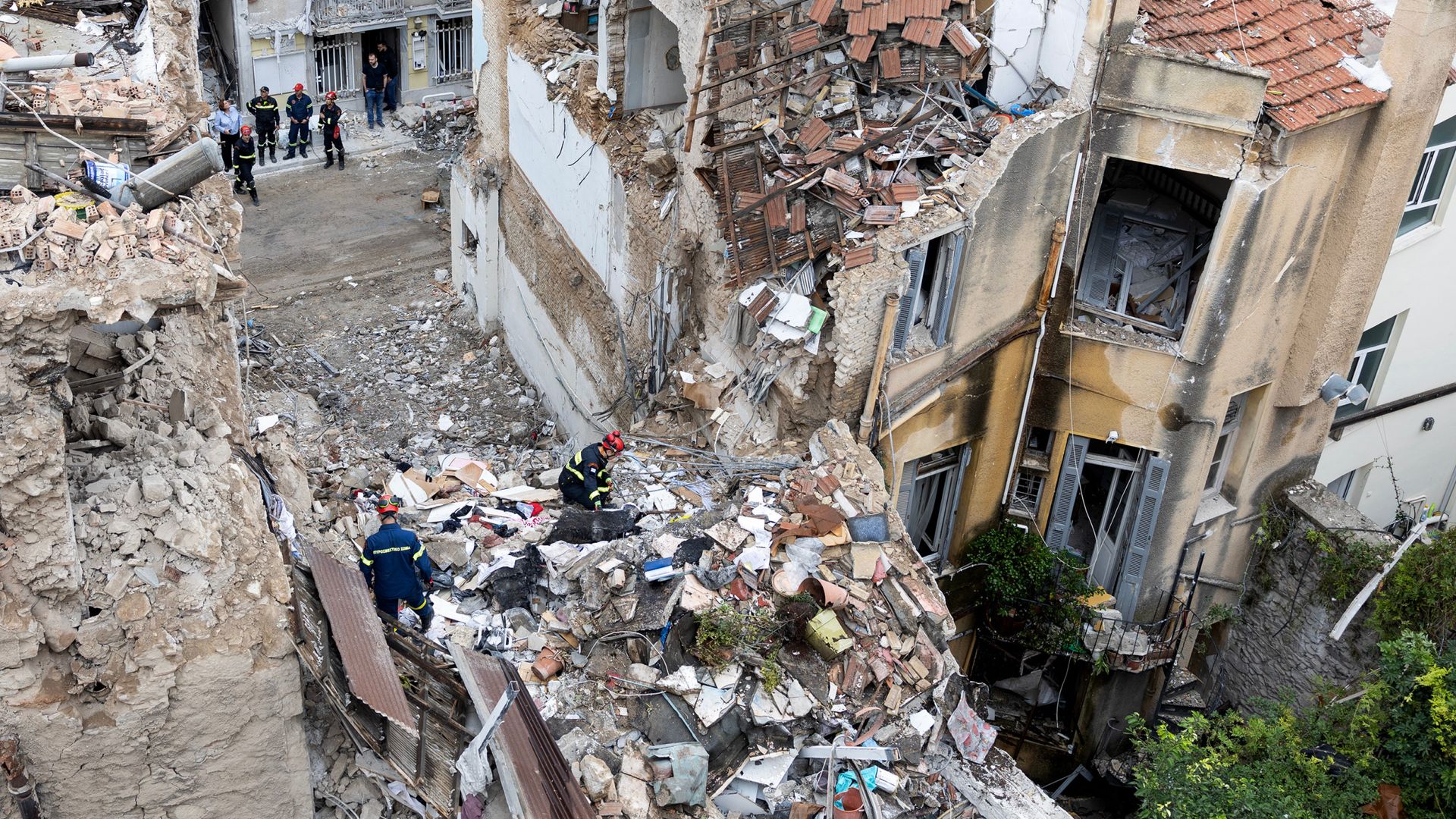
A horrific gas leak explosion in Athens has tragically claimed the lives of a British man and his Greek wife, authorities confirm. The blast caused a catastrophic building collapse, leaving the local community in shock and raising urgent questions about urban safety standards in the Greek capital.
The Deadly Explosion and Building Collapse
The incident occurred when a gas leak ignited within a residential building in Athens, triggering a powerful explosion that reduced the structure to rubble. Emergency services rushed to the scene, but rescue efforts were hampered by unstable debris and the risk of further collapse. The British man and his Greek wife were among the individuals who lost their lives in the disaster.
Details about the couple have not been fully disclosed, but initial reports confirm their identities and nationality, highlighting the international dimension of the tragedy. This devastating event has cast a spotlight on the dangers posed by aging infrastructure and gas safety in densely populated urban areas.
Background on Gas Safety and Urban Risks in Athens
Gas leaks leading to explosions are a persistent hazard in many cities, particularly where buildings have outdated piping or inadequate maintenance. Athens, with its mixture of historic and modern architecture, faces ongoing challenges in ensuring all residential and commercial properties meet rigorous safety standards.
Gas infrastructure in Greece has been under scrutiny following several high-profile incidents in recent years. Experts stress the importance of regular inspections, proper ventilation, and prompt repairs to prevent leaks. The Athens explosion underscores these concerns, emphasizing the critical need for comprehensive safety protocols.
Moreover, the densely populated neighborhoods where many older buildings stand increase the potential for widespread damage and casualties when such accidents occur. This tragedy serves as a grim reminder of the vulnerabilities inherent in urban living spaces without stringent regulatory oversight.
What This Means for Residents and Authorities
The deaths of the British-Greek couple have sparked renewed calls for authorities to intensify safety inspections and upgrade infrastructure. Residents in Athens and beyond demand transparency, accountability, and swift action to prevent future disasters.
Local government officials are expected to launch investigations into the exact cause of the gas leak and evaluate existing safety measures. Additionally, this incident may prompt policy reviews regarding building codes, emergency response readiness, and public awareness campaigns on gas safety.
Families affected by the explosion face a long road to recovery, both emotionally and materially. The community’s response has been one of mourning and solidarity, with support networks mobilizing to assist survivors and those displaced by the collapse.
Looking Ahead: Preventing Future Tragedies
The Athens gas leak explosion is a stark warning about the deadly consequences of neglected urban infrastructure and inadequate safety enforcement. As the city grapples with this tragedy, it must prioritize investments in modernizing gas systems and strengthening building regulations.
For residents, understanding the signs of gas leaks and knowing how to act quickly can save lives. Meanwhile, authorities must ensure that preventative measures are not only established but rigorously maintained and enforced.
Ultimately, the loss of the British man and his Greek wife is a profound human tragedy that resonates beyond borders. It calls for collective commitment from governments, communities, and individuals to safeguard urban environments and protect lives.
Full details surrounding the explosion and the victims have yet to be released as investigations continue.