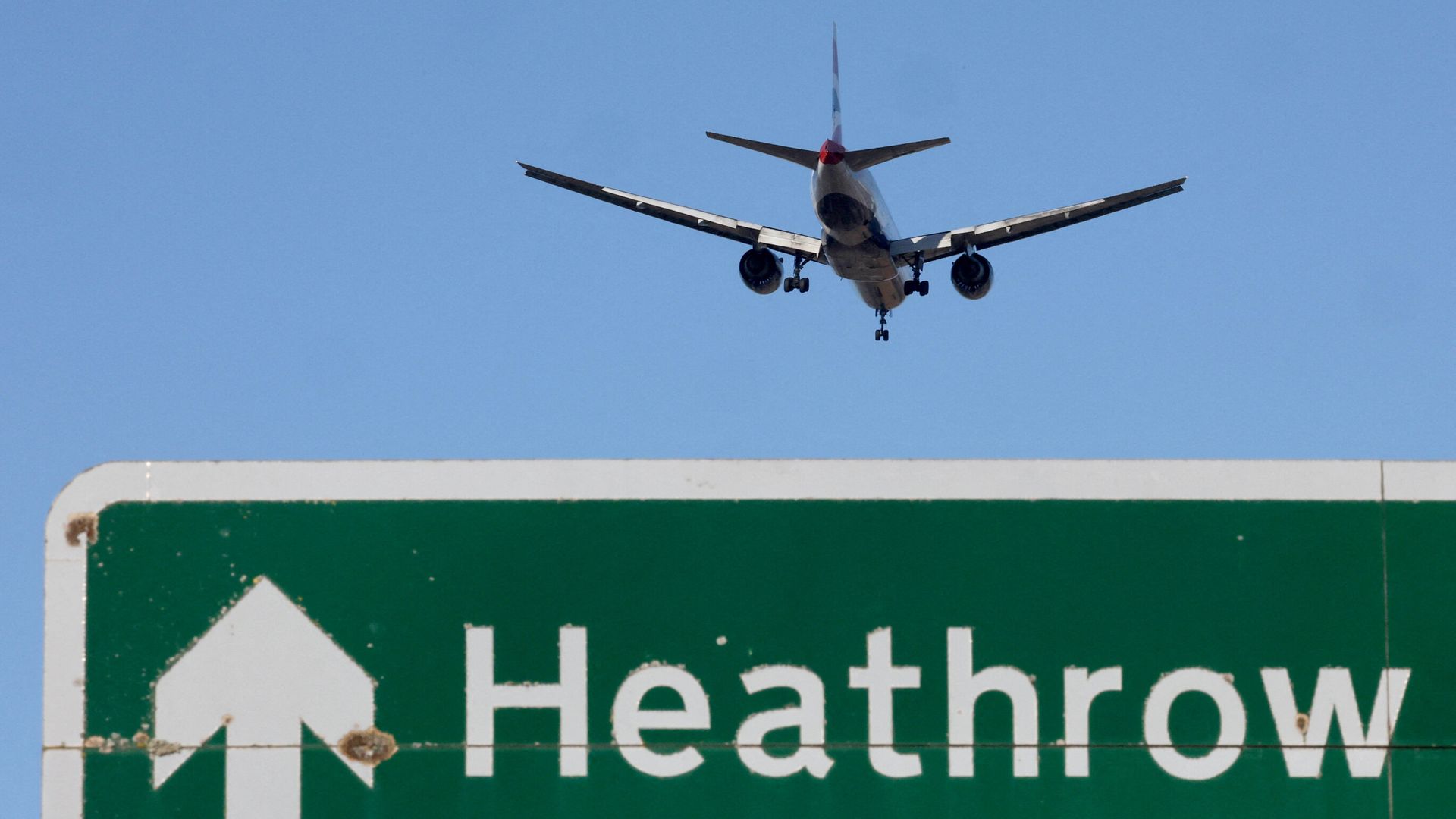
Heathrow Airport’s ambitious plan to build a third runway has faced a significant setback, with construction now delayed by four years. The new timetable projects the runway will not be operational until 2039, extending the timeline previously anticipated for this major infrastructure project.
What Led to the Delay of Heathrow’s Third Runway?
The delay in completing Heathrow’s third runway stems from a complex mix of regulatory, environmental, and logistical challenges. Originally intended to boost the airport’s capacity and ease congestion, the runway’s development has encountered numerous obstacles. These include prolonged legal battles, stricter environmental regulations, and debates over the project’s impact on local communities and climate goals.
Heathrow, located west of London, is one of the world’s busiest airports, handling millions of passengers annually. The addition of a third runway aims to increase flight capacity by tens of millions, positioning Heathrow to maintain its status as a leading global aviation hub amid rising demand for air travel.
Why the Delay Matters to the UK and Travelers
The deferred completion date of 2039 has broad implications for the UK’s aviation sector, economy, and environmental commitments. With the runway pushback, Heathrow’s ability to expand flight operations and accommodate more routes is postponed. This delay could affect airlines’ plans, passenger convenience, and the UK’s connectivity to international markets.
From an economic perspective, the third runway was expected to stimulate regional growth, create thousands of jobs, and attract investment. A delayed runway means these benefits will also be deferred, potentially slowing economic momentum in areas reliant on airport-related industries and tourism.
Conversely, the postponement offers a window for environmental considerations to take greater precedence. The UK government has faced increasing pressure to align infrastructure projects with its climate targets, including net-zero carbon emissions by 2050. The additional time may allow for improved environmental safeguards and innovations in sustainable aviation to be incorporated into the project.
What Comes Next for Heathrow and UK Aviation?
The 2039 runway completion date sets a new benchmark for Heathrow’s expansion, but it does not end the conversation about the airport’s future. Stakeholders—including government agencies, airline companies, and environmental groups—are likely to continue negotiations on how best to balance growth with sustainability.
In the interim, Heathrow will need to optimize its current operations to handle growing passenger numbers without the new runway. This includes improving terminal facilities, upgrading air traffic management, and possibly adopting new technologies to enhance efficiency.
Additionally, the delay may encourage investment in alternative transport and aviation solutions, such as regional airports or advancements in electric and hydrogen-powered aircraft, which could reshape the UK’s travel landscape in the coming decades.
Looking Ahead: Balancing Growth and Responsibility
The postponement of Heathrow’s third runway underscores the complex challenges of expanding major infrastructure in today’s world. While the delay slows immediate growth in airport capacity, it also reflects a broader shift toward ensuring that such developments meet evolving environmental standards and public expectations.
For passengers and businesses, the extended timeline means adjusting to a future where air travel growth must be carefully managed. For policymakers, it highlights the urgent need to integrate economic ambitions with climate commitments.
Ultimately, Heathrow’s runway delay serves as a pivotal moment for UK aviation—one that demands innovative solutions to support connectivity while safeguarding environmental and social responsibilities in the decades ahead.