Britain’s energy system stands prepared to meet the demands of the upcoming winter, according to national grid operators, even as forecasts predict increased gas consumption during peak periods and the possibility of occasional “tight days” for electricity supply.
What the National Grid Reveals About Winter Energy Security
The UK’s energy infrastructure is entering the colder months with assurances from the grid operators that supply will remain reliable throughout winter. This confidence comes despite the expectation that gas demand will surge during peak times, driven by heating needs and industrial activity.
National grid operators emphasize that while the overall supply is secure, there may be isolated instances where electricity demand approaches the upper limits of available capacity—referred to as “tight days.” These days could require careful management to prevent strain on the system.
Understanding ‘Tight Days’ and Their Implications
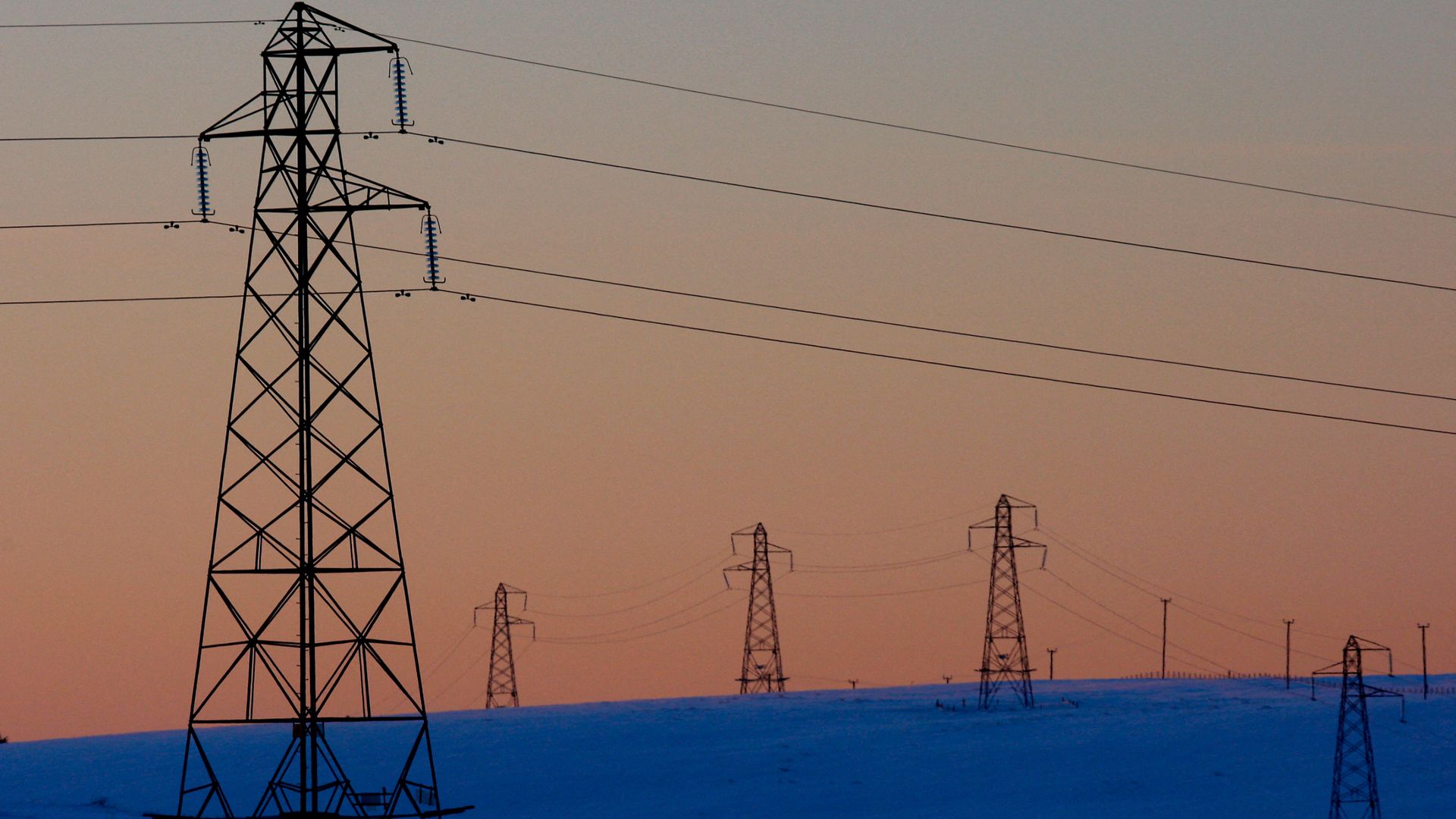
“Tight days” occur when electricity consumption nears the maximum output the grid can deliver without risking outages or forced reductions. Such conditions typically arise during cold snaps when heating demands spike and daylight hours shorten, increasing electricity usage for lighting and appliances.
Grid operators plan for these scenarios by employing various strategies, including demand response programs, which encourage consumers to reduce or shift their electricity usage during peak times, and activating additional generation resources to bolster supply.
Despite these measures, the possibility of tight days highlights the importance of continued vigilance and flexibility in energy consumption habits, especially for large industrial users and consumers with flexible energy needs.
Why This Matters for Households and Businesses
The confirmation of a secure energy supply provides reassurance to households and businesses that their heating and electricity needs will be met through winter. However, the prospect of tight days reinforces the necessity for ongoing energy efficiency and conservation efforts.
Consumers can contribute by adopting energy-saving practices, such as using programmable thermostats, insulating homes effectively, and limiting non-essential electricity use during peak hours. Businesses may also explore shifting certain operations to off-peak times or investing in backup generation solutions.
Moreover, the situation underscores the critical role of continued investment in renewable energy sources, grid modernization, and storage technologies to enhance the resilience and flexibility of the UK’s energy system.
Looking Ahead: Preparing for Future Winters
While the current outlook is positive, energy experts warn that evolving factors such as changing weather patterns, geopolitical developments, and market dynamics could influence future supply and demand balances. Continued collaboration between government, industry stakeholders, and consumers will be essential to maintain grid stability.
As the UK moves towards its net-zero emissions goals, integrating more renewable energy and upgrading infrastructure will help mitigate the risk of tight supply conditions and support a reliable, sustainable energy future.
In summary, the UK’s energy grid is ready to handle this winter’s demands, but all parties must remain proactive in managing consumption and supporting grid flexibility to navigate occasional challenges. Staying informed and engaged will be key to ensuring warmth and power throughout the colder months.