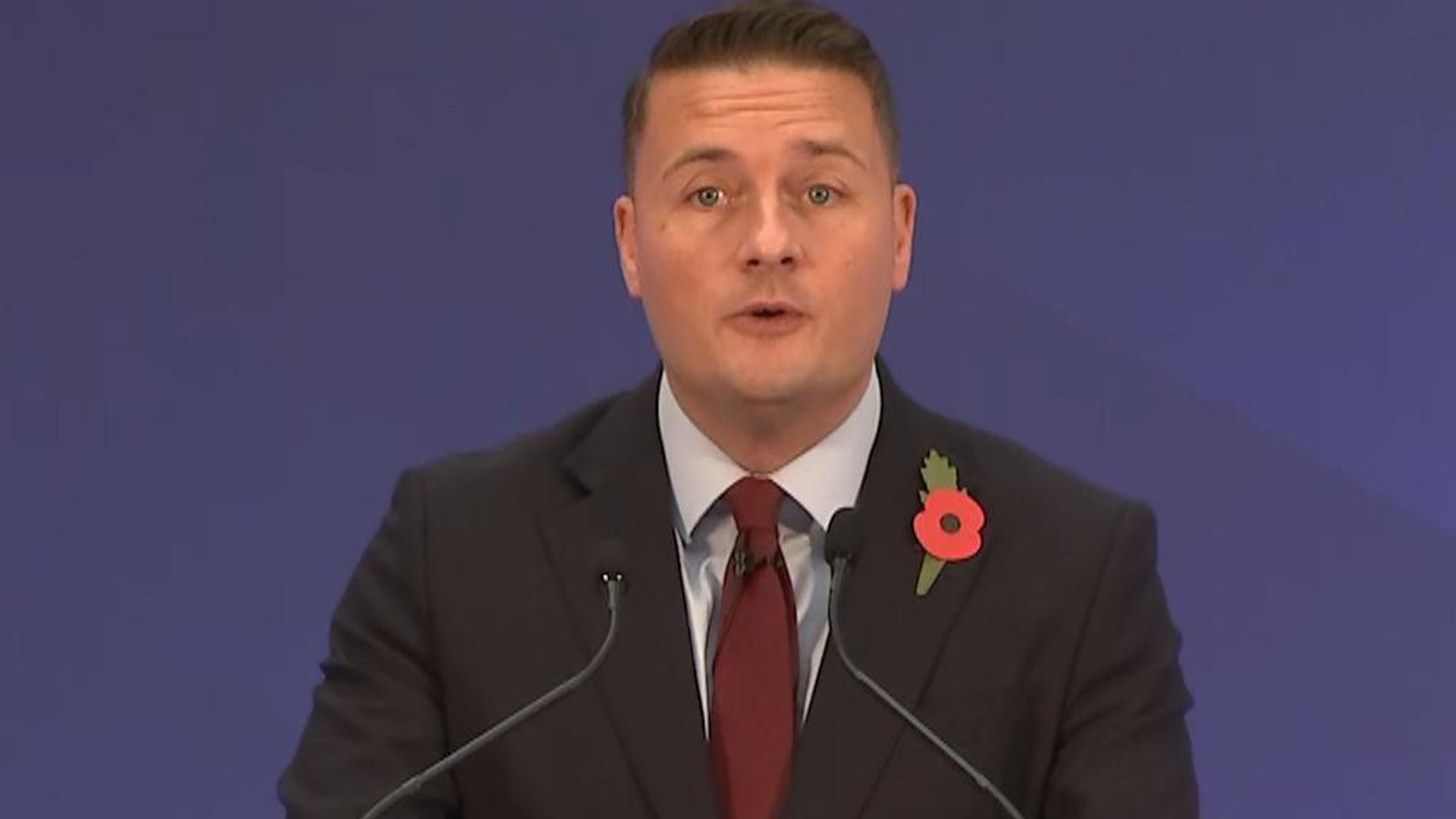
Defence Secretary Wes Streeting announced a decisive new government campaign aimed at strengthening the United Kingdom’s resilience in the face of emergencies and hostile acts. This initiative seeks to ensure the nation is better equipped to respond swiftly and effectively to a broad spectrum of crises, from natural disasters to security threats.
Building a More Resilient United Kingdom
This new push intends to mobilize resources across multiple sectors, including local authorities, emergency services, healthcare providers, and the armed forces. By fostering stronger collaboration and enhancing communication channels, the government aims to create a seamless framework that can withstand and adapt to various emergency scenarios.
Central to this strategy is the integration of cutting-edge technology and data analytics to anticipate threats and coordinate responses more effectively. The initiative also focuses on public education and awareness, empowering citizens with the knowledge and tools needed to contribute to community safety.
Why This Initiative Matters Now
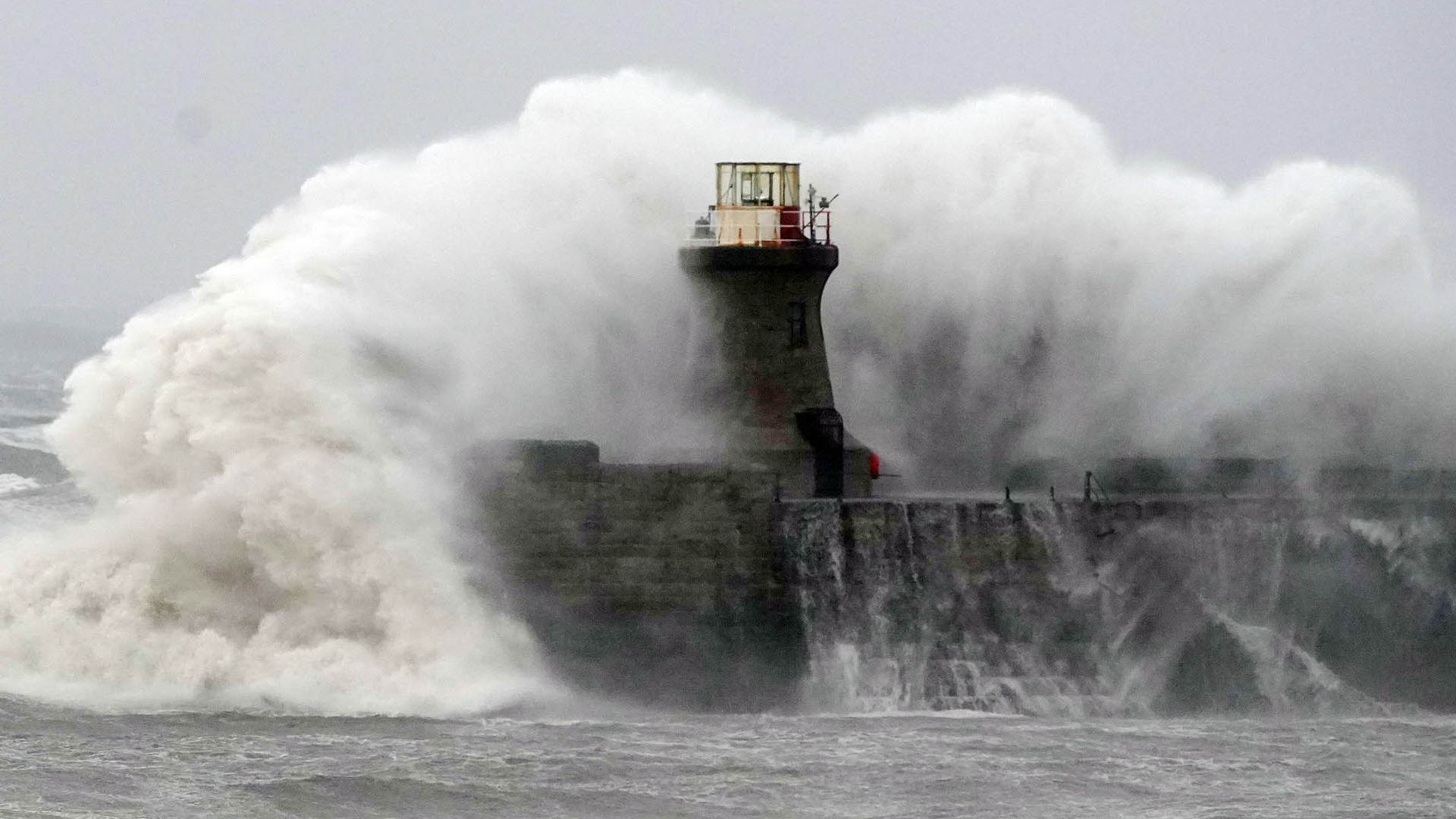
Recent global events have underscored the urgency of robust emergency preparedness. The COVID-19 pandemic exposed vulnerabilities in health systems and supply chains, while geopolitical conflicts have heightened concerns over national security and cyber threats. Additionally, the increasing frequency of extreme weather events due to climate change poses significant risks to infrastructure and public safety.
By launching this campaign, the UK government acknowledges that resilience is a continuous process requiring sustained investment and adaptation. Defence Secretary Streeting’s announcement signals a clear intention to prioritize national security and civil protection in policy agendas.
Moreover, this effort aligns with broader international trends where governments are revisiting emergency frameworks to better safeguard their populations. The UK’s proactive stance may serve as a model for integrated emergency management in a rapidly changing global landscape.
What Comes Next: Implementing the Plan
The government’s next steps will involve detailed consultations with stakeholders to refine implementation strategies. These discussions will address resource allocation, training programs, and infrastructure upgrades necessary to realize the initiative’s goals.
Local communities will play a critical role in the rollout, with a focus on resilience at the grassroots level. By strengthening local capacities, the government hopes to create a network of prepared communities capable of supporting each other during crises.
Defence Secretary Streeting has pledged ongoing oversight to ensure the initiative remains responsive to emerging threats and challenges. Periodic assessments and updates will help maintain momentum and effectiveness over time.
Looking Ahead: Why This Matters for Every Briton
This renewed focus on emergency preparedness is vital not only for government agencies but for every individual across the UK. In an era marked by uncertainty and rapid change, building collective resilience safeguards lives, protects critical infrastructure, and preserves social stability.
By enhancing the nation’s readiness, the government aims to reduce the human and economic costs of future emergencies. The initiative’s success depends on widespread engagement, making public awareness and participation essential components.
As Defence Secretary Wes Streeting’s campaign unfolds, it represents a strategic commitment to a safer, more resilient United Kingdom prepared to face the challenges of the 21st century head-on.