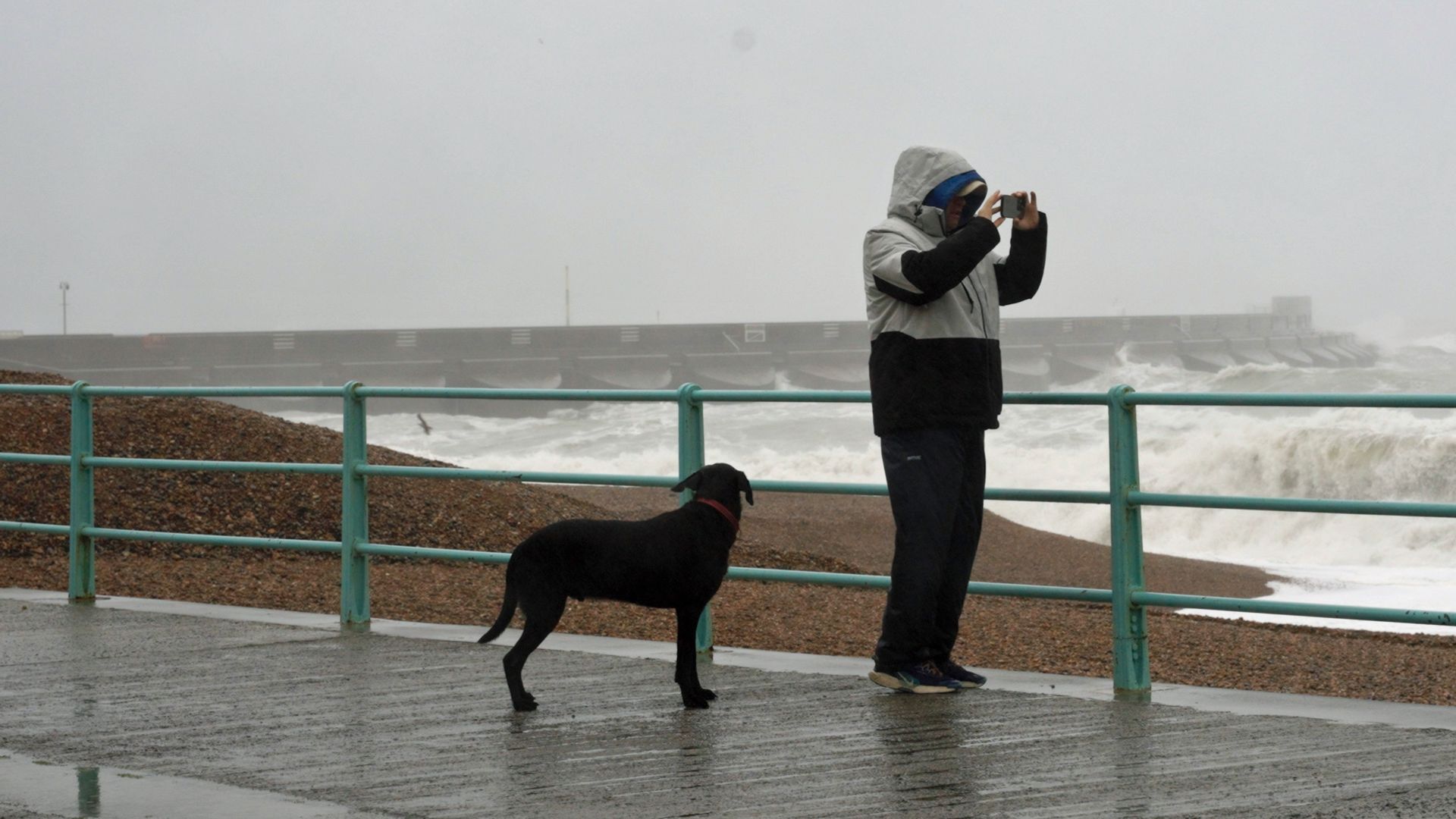
Storm Boelo unleashed powerful winds across northern regions of the United Kingdom, prompting meteorologists to maintain an amber weather warning for strong gusts until 9pm Sunday. The storm’s peak impact has already caused disruptions, but authorities continue to urge caution as hazardous conditions linger.
Storm Boelo’s Impact on Northern UK
Storm Boelo swept across the northern UK with intense force, bringing gusts strong enough to damage property and disrupt travel. The amber warning issued by the UK Met Office signals a high likelihood of dangerous wind speeds capable of causing structural damage, fallen trees, and power outages. These conditions have led to travel delays, road closures, and warnings for residents to avoid unnecessary journeys.
The storm’s strong winds have particularly affected areas such as Scotland, Northern England, and parts of Northern Ireland. Emergency services have responded to multiple incidents involving fallen branches and debris blocking roads. Local authorities have also activated precautionary measures to safeguard vulnerable infrastructure.
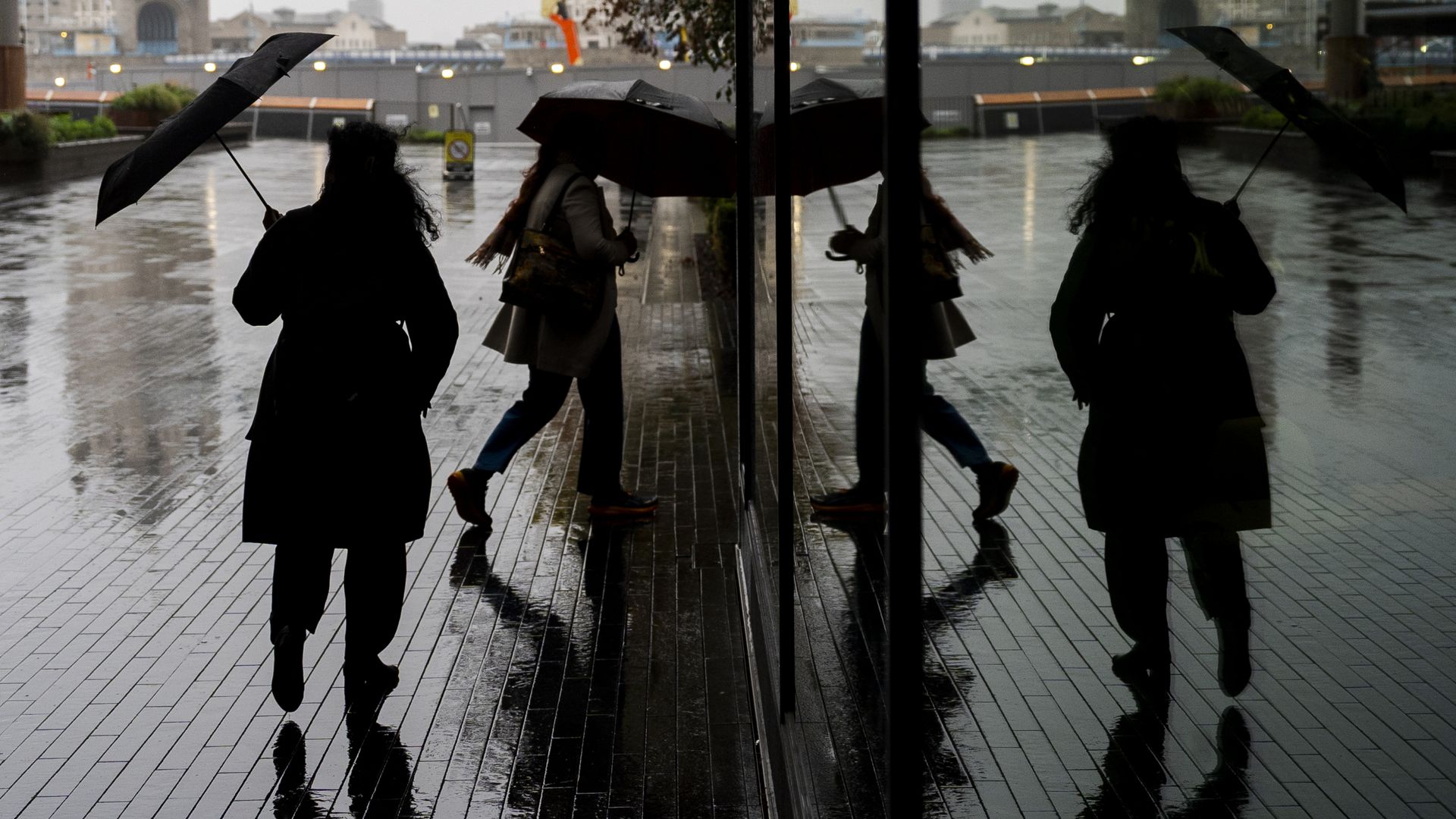
Understanding the Amber Warning and Its Significance
The amber warning represents a significant level of alert, indicating that the storm poses a real threat to life and property. It is the second-highest warning level issued by the UK Met Office, one step below the extreme red warning reserved for the most severe weather events.
Warnings of this severity are designed to prompt individuals, businesses, and local governments to take proactive measures. These include securing outdoor objects, preparing for potential power cuts, and staying updated with real-time weather forecasts. The continued presence of the amber warning until Sunday evening underscores that although the storm’s peak has passed, dangerous wind conditions remain.
What Residents and Travelers Need to Know
Residents in affected areas should remain vigilant and follow guidance from local officials. Strong winds can cause flying debris and increase the risk of accidents on the roads. People are advised to avoid travel where possible, especially in exposed or rural locations where fallen trees and power lines are more likely.
Public transport services have also been disrupted, with some rail and bus routes experiencing delays or cancellations due to the weather. Commuters are encouraged to check service updates before setting out. Additionally, anyone involved in outdoor work or activities should take extra precautions to prevent accidents caused by sudden gusts.
Emergency services remain on high alert, ready to respond to incidents caused by the storm. Local councils continue to monitor the situation closely, clearing debris and restoring affected utilities as quickly as possible.
Why Storm Boelo Matters
Storm Boelo serves as a stark reminder of how rapidly weather conditions can deteriorate and disrupt daily life in the UK. As climate change influences weather patterns, the frequency and intensity of such storms may increase, challenging infrastructure resilience and emergency preparedness.
The storm also highlights the importance of timely weather warnings and public awareness. The amber warning system plays a crucial role in minimizing harm by informing the public and authorities about imminent threats. By understanding and respecting these warnings, communities can better protect themselves and mitigate damage.
Looking ahead, ongoing monitoring by the Met Office will determine if further warnings are necessary as Storm Boelo moves away. Residents are encouraged to stay informed through official channels and prepare for potential aftereffects, including residual strong winds or localized flooding.
Final Takeaway
Storm Boelo has demonstrated the power of severe weather to disrupt life across northern UK. The amber wind warning remains in effect until Sunday night, emphasizing the need for continued vigilance. By heeding official advice, securing property, and avoiding unnecessary travel, individuals can reduce risks associated with the storm’s lingering conditions. This event underscores the vital role of accurate forecasting and community preparedness in facing increasingly volatile weather.