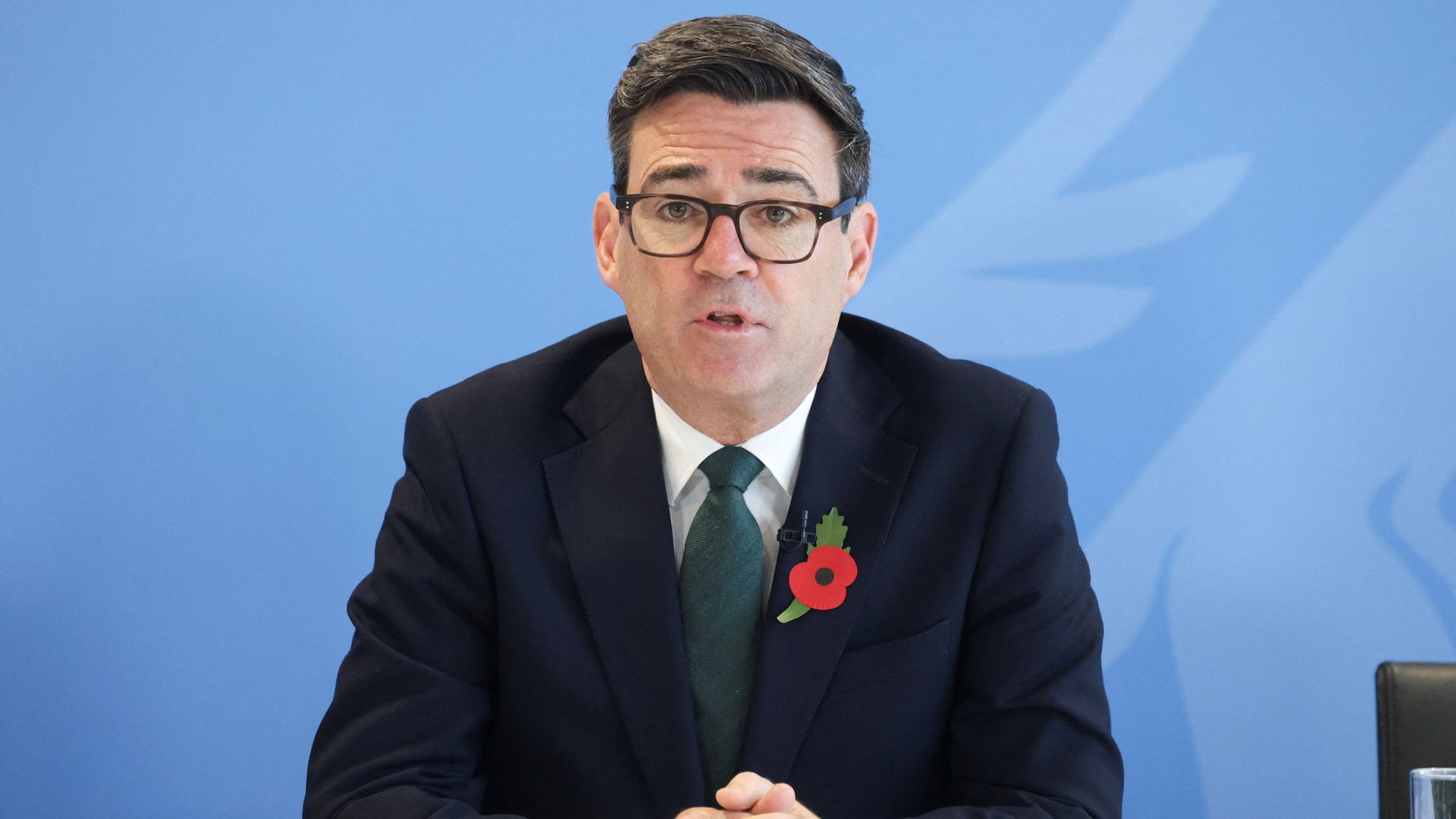
Andy Burnham has unveiled a significant £285 million funding package aimed at transforming the relationship between central government and local authorities. The Labour leader emphasized that elected mayors and local leaders should no longer have to “go cap in hand to Westminster” for resources, signaling a robust shift in power and decision-making to grassroots communities.
What the £285 Million Boost Entails
At the heart of this announcement lies a commitment to decentralize financial control, allowing local governments to tailor investments to the unique needs of their communities. This funding injection is designed to equip mayors and councils with the means to drive economic growth, improve public services, and enhance infrastructure without relying on cumbersome approval processes from central government.
Andy Burnham, who currently serves as the Mayor of Greater Manchester and is a prominent figure within the Labour Party, framed this funding as a direct challenge to the traditional top-down approach. He argued that local leaders are best placed to understand the priorities of their regions and should therefore be trusted with greater autonomy and resources.
Crucially, this £285 million is not just a one-off grant. It represents a strategic investment aimed at fostering sustainable development and empowering local authorities to make long-term decisions. The funding is expected to cover a wide range of areas, including housing, transport, education, and community services, all of which have been historically underfunded in many regions.
Why Shifting Power to Local Leaders Matters
The drive to devolve power from Westminster to local leaders comes amid growing calls for more localized governance across the UK. For years, critics have argued that central government decisions often overlook the specific needs of diverse communities, leading to inefficiencies and dissatisfaction.
By empowering mayors and councils with direct funding, Labour aims to create a more responsive and accountable system. Local leaders can prioritize projects that resonate most with their constituents, whether that means investing in affordable housing, boosting local job creation, or improving public transportation networks.
Moreover, this approach aims to reduce bureaucratic delays that often hamper progress. When local authorities control their own budgets, they can act swiftly to address urgent issues, accelerating development and improving residents’ quality of life.
Andy Burnham’s call for mayors to end the reliance on Westminster’s approval also reflects a broader political philosophy within Labour that champions subsidiarity—the principle that decisions should be made at the most immediate or local level possible.
What This Means for Communities and the Future of Governance
The £285 million pledge is a tangible manifestation of Labour’s vision for a more balanced power dynamic between central and local governments. It underscores an ambition to rebuild trust in political institutions by making them more accessible and accountable to everyday citizens.
For communities across the UK, this funding boost promises enhanced opportunities to shape their own futures. It could lead to tailored solutions that address regional inequalities, fostering social cohesion and economic resilience.
Looking ahead, this move sets a precedent for further decentralization efforts. If successful, it may encourage other political parties and governments to rethink the concentration of power and resources in London, paving the way for a more federated and equitable United Kingdom.
As local leaders prepare to take on this new responsibility, the spotlight will be on their ability to manage funds effectively and deliver impactful results. The success of this initiative could redefine how governance operates in the UK, making local leadership a cornerstone of national progress.
In summary, Andy Burnham’s £285 million funding announcement represents a bold step toward empowering local communities, emphasizing trust in regional leadership, and reshaping the future of UK governance.