The United Kingdom is transitioning into a spell of calmer weather following a violent weekend of storms that tragically claimed three lives. However, meteorologists warn that “dense” fog may still disrupt travel and daily life across various regions, posing fresh challenges despite the easing winds.
Storm Aftermath and Weather Shift
Over the weekend, severe storms battered parts of the UK, unleashing powerful winds and heavy rainfall. These intense conditions led to widespread disruptions, including fallen trees, flooded roads, and interrupted public transport services. Most gravely, the storms resulted in three fatalities, underscoring the dangerous impact of extreme weather on communities.
In response, weather services have confirmed that the worst of the storm has passed, and the UK will experience a calmer atmospheric pattern in the coming days. This shift brings relief to areas that endured damage and distress but does not signal an immediate return to completely normal conditions.
Dense Fog Threatens to Cause Travel Disruptions
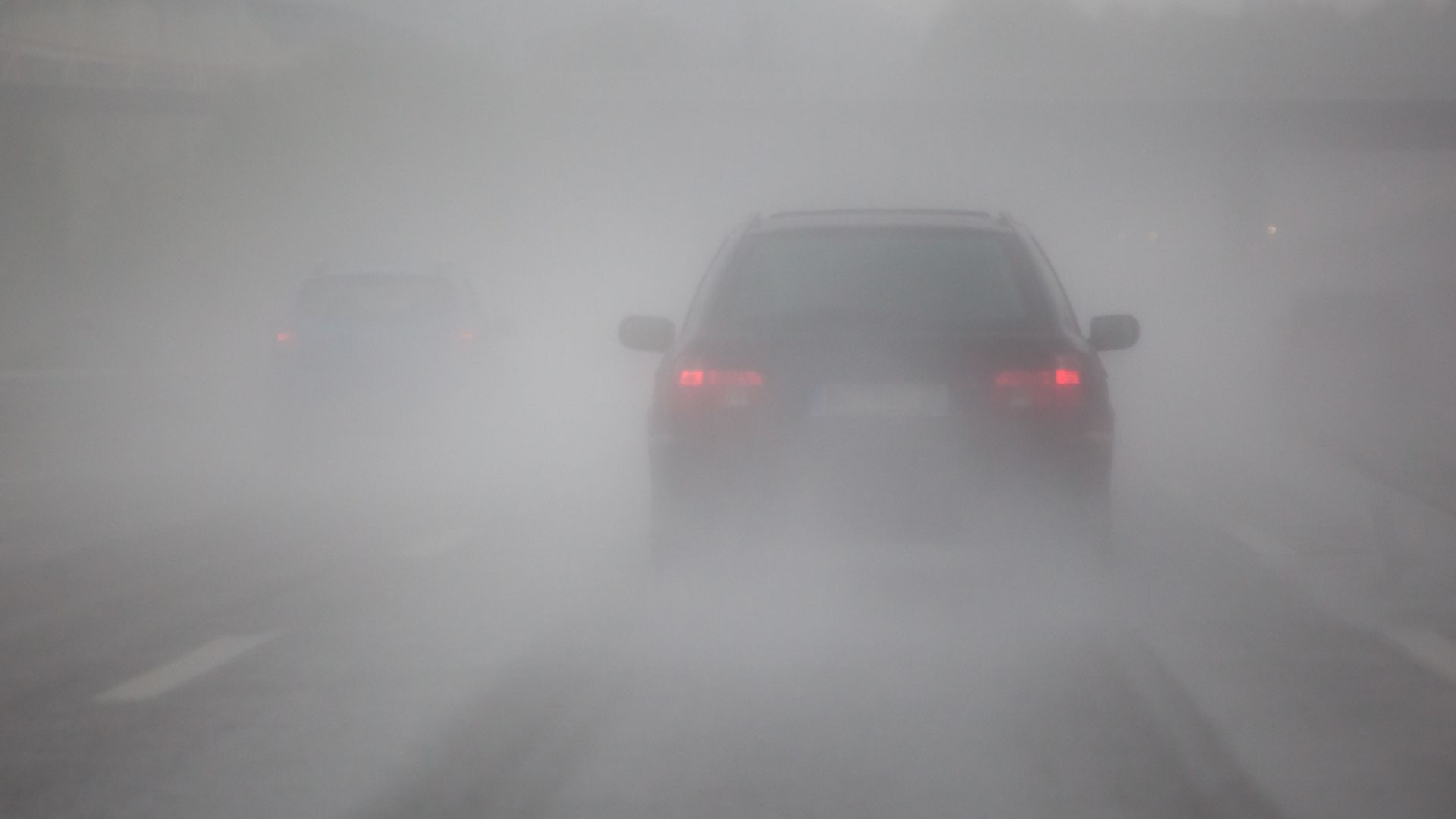
Despite the calming weather, forecasters have highlighted the risk of dense fog developing overnight and into the early mornings. Fog of this nature can significantly reduce visibility, often down to a few meters, creating hazardous conditions for drivers, cyclists, and pedestrians alike.
Authorities advise caution on roads, especially in rural and low-lying areas where fog tends to be thickest. Public transport operators may also experience delays or cancellations due to limited sightlines, and airports could face operational challenges if fog lingers near runways.
The potential for fog-related disruption comes at a sensitive time, as communities and services are still recovering from the earlier storm damage. Emergency services have urged residents to stay informed through official weather updates and to adjust travel plans accordingly to avoid unnecessary risks.
Understanding the Impact and Preparing for What’s Next
The weekend storms and subsequent fog underscore the UK’s vulnerability to rapidly changing weather patterns, especially during transitional seasons. Each extreme event places strain on infrastructure, emergency responders, and individuals, emphasizing the importance of preparedness and resilience.
Local councils and transport agencies are mobilizing to clear debris left by the storms while monitoring fog conditions closely. This dual challenge highlights the complexity of managing weather-related emergencies in the modern age.
For residents, the key takeaway is vigilance. Staying updated with the latest forecasts, allowing extra time for journeys, and exercising caution during foggy conditions can mitigate the risks posed by these natural events.
Looking ahead, the UK will likely see more variable weather in the coming weeks as seasonal shifts continue. While the immediate storm threat has passed, the lingering fog serves as a reminder that nature’s impact remains unpredictable and demands respect.
Full details on ongoing weather developments will be provided by official meteorological sources as the situation evolves.