Leaflets advertising medical clinics located within illegal Israeli settlements were handed out at a high-profile medical recruitment event in London, raising serious concerns about the enforcement of UK sanctions and the promotion of activities linked to occupied territories.
What Happened at the MedEx Event in London?
On 25 October, the MedEx recruitment event took place in Camden, London, primarily organised by Israeli government ministries. This event targeted British Jewish doctors and medical students considering Aliyah, the immigration of Jews to Israel. Attendees had the chance to network with health recruiters and initiate the licensing process with the Israeli Ministry of Health.
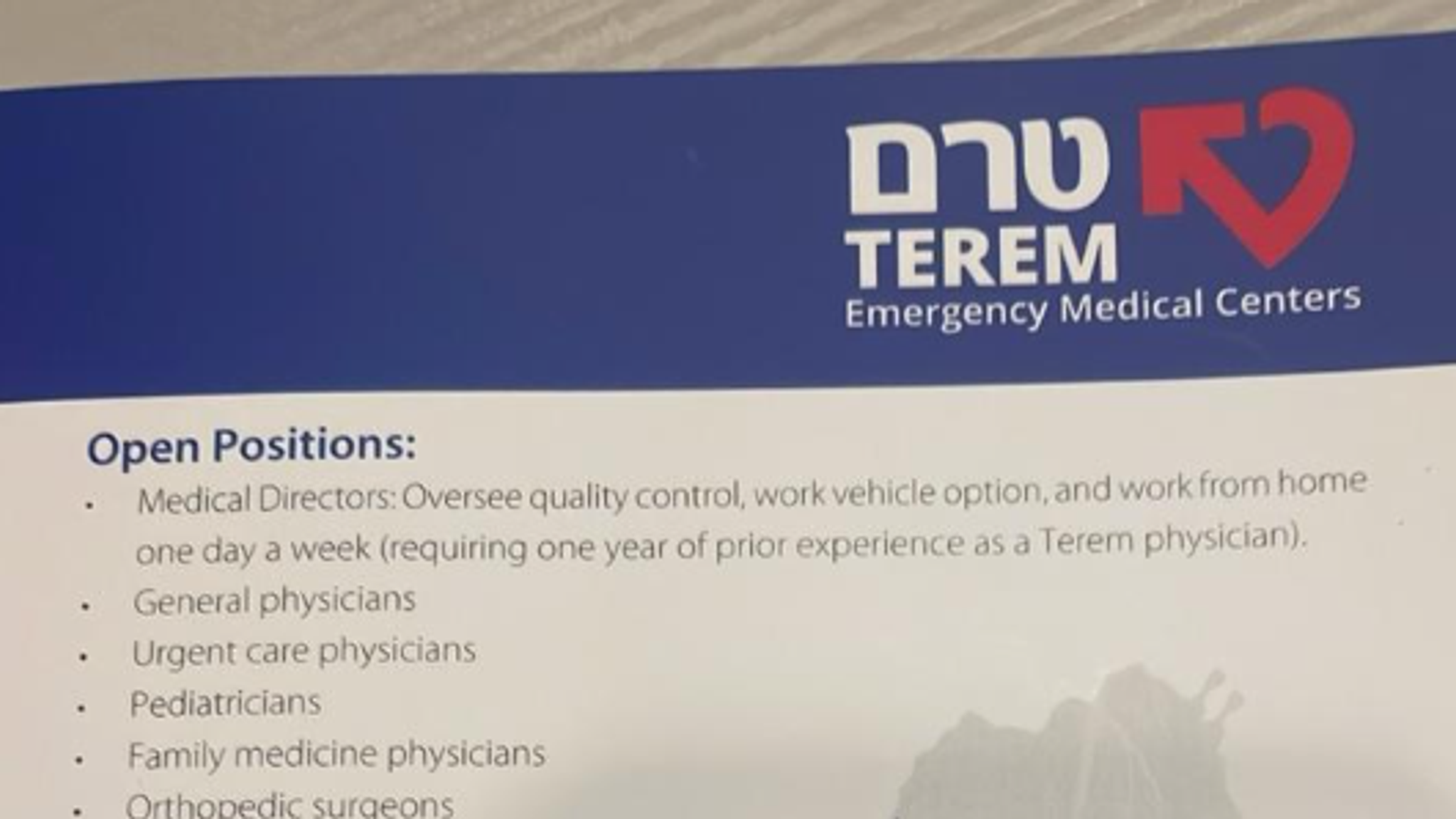
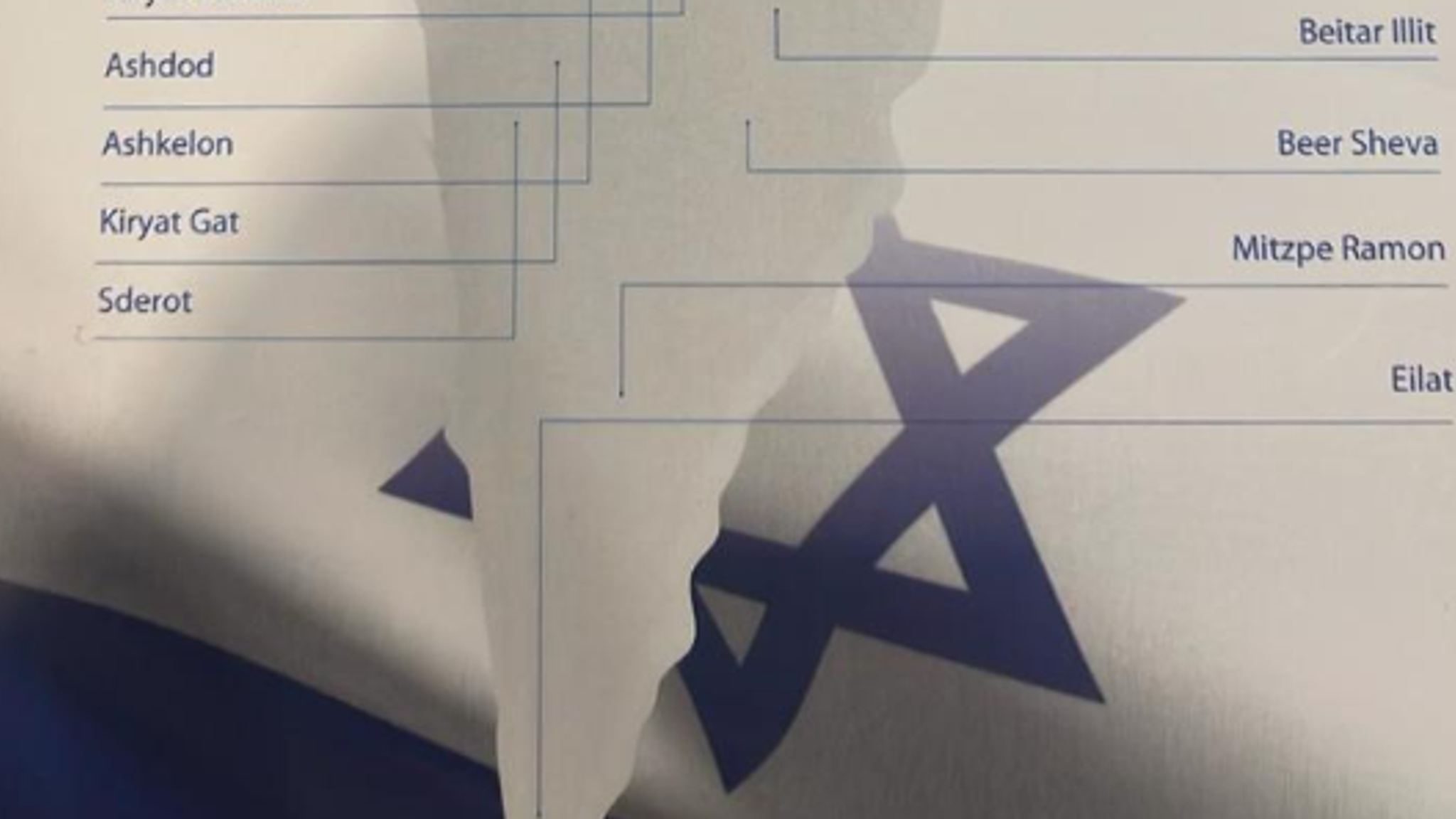
Among the materials distributed was a leaflet from Terem, an Israeli healthcare provider operating a network of urgent care centres across Israel. The leaflet listed open positions for specialists such as paediatricians, general physicians, and orthopaedic surgeons. However, the flyer also prominently displayed a map showing 25 Terem clinics, including locations within the West Bank settlements of Ma’ale Adumim, Beitar Illit, Modiin Illit, and the settlement of Katzrin in the Golan Heights—areas internationally recognised as occupied territories and deemed illegal under international law, a designation Israel disputes.
A British medical student attending the event, known only as Jane, who is part of the pro-Palestinian Jewish group Jewish Anti-Zionist Action, described the atmosphere as busy and well-attended, with approximately 150 people inside at any time. Jane noted that Terem appeared to be recruiting extensively but expressed shock and anger at the unchecked distribution of promotional material showcasing illegal settlements, especially in light of the UK government’s announced sanctions.
“It made me feel angry, the banality of it,” Jane said. “They were offering talks about tax benefits for doctors moving to Israel, with no mention of the illegal occupation or any potential repercussions.”
UK Government Sanctions and Political Reactions
In September, UK Foreign Secretary Ed Miliband announced a package of sanctions targeting those who support, facilitate, or profit from illegal settlement activities in occupied territories. These sanctions include plans to ban the advertising or promotion of land and property in illegal settlements within the UK. However, these measures have not yet been implemented and are expected to come into force no earlier than spring 2024.
Campaigners and politicians criticised the distribution of the leaflets as a violation of the spirit of these pending sanctions. Andy McDonald MP, Labour co-chair of the Britain-Palestine All-Party Parliamentary Group (APPG), stated, “UK sanctions are currently making their way through parliament. When concluded, they will be capable of immediately closing down such events with full legal consequences for the organisers.”
Labour MP Debbie Abrahams described the situation as “deeply unsettling,” highlighting that only months after illegal properties were promoted at a “Great Israeli Real Estate Event” in London, a repeat occurrence is a direct affront to Palestinians, Syrians, and the British government’s stance against the occupation.
Abrahams emphasised that illegal settlements are “inextricably linked to the dispossession of Palestinian and Syrian communities, including the demolition of homes and the appropriation of land,” and insisted that the UK must not permit their promotion “in any way, shape or form.”
Why This Matters: The Broader Implications
The leaflets highlight the complex challenges the UK faces in balancing diplomatic relations with Israel while upholding international law and human rights. Although the government continues to encourage collaboration with Israeli businesses and institutions, including in healthcare, it also seeks to discourage economic activities linked to illegal settlements.
A Foreign Office spokesperson reiterated the government’s position, quoting Ed Miliband’s speech: “Settlements are illegal. They should not be promoted in our country. We must, and we will, ensure this never happens again.”
However, the delay in enacting the sanctions reflects the government’s caution to design measures that are precise, effective, and avoid unintended consequences. Meanwhile, Israeli authorities have condemned the UK sanctions, calling them a “series of anti-Israel decisions by the Labour government,” and have responded with countermeasures, including closing the British consulate in East Jerusalem.
Activists like Darío Pomar Azar from the Palestinian Youth Movement demand swift implementation of sanctions to prevent future events promoting activities in illegal settlements. He said, “Andy Burnham and Ed Miliband promised change on Palestine, and we want it delivered. They must immediately implement sanctions so events like these can never take place again.”
Looking Ahead
The MedEx event leaflets underscore the urgent need for the UK government to accelerate the roll-out of sanctions against the promotion of illegal settlements. As the international community continues to recognise the illegality of these settlements, allowing their advertisement in the UK risks undermining the country’s legal and moral commitments.
For medical professionals considering work in Israel, the leaflets reveal the complicated reality they face when recruitment efforts intersect with contested geopolitical issues. The situation calls for greater transparency and adherence to international law in recruitment and promotional activities.
Full details regarding the implementation timeline of the sanctions remain pending, but the controversy around the leaflets serves as a critical reminder that enforcement mechanisms must be clear, robust, and timely to uphold the UK’s stated foreign policy objectives.