Counterfeit cosmetics flooding the market pose a growing public health threat after authorities discovered dangerous levels of lead, mercury, and nicotine in seized fake beauty products. These toxic substances, long known for their severe health risks, are increasingly contaminating imitation makeup and skincare items, raising urgent concerns about consumer safety worldwide.
The Hidden Dangers Within Fake Cosmetics
Recent seizures of counterfeit cosmetics have revealed alarming concentrations of hazardous chemicals. Lead, a heavy metal linked to neurological damage and developmental delays, was among the top contaminants found. Mercury, known for causing kidney damage and skin irritation, was also detected in significant amounts. Perhaps most surprisingly, nicotine—a highly addictive and toxic compound commonly associated with tobacco—was identified in several fake cosmetic samples.
These substances are not standard ingredients in legitimate beauty products. Instead, they often appear in counterfeit goods due to substandard manufacturing processes and the use of inexpensive, hazardous raw materials. Consumers unknowingly applying these products risk chronic exposure to toxins that can cause serious, long-term health problems including skin disorders, respiratory issues, and systemic poisoning.
Why Counterfeit Cosmetics Are Increasing
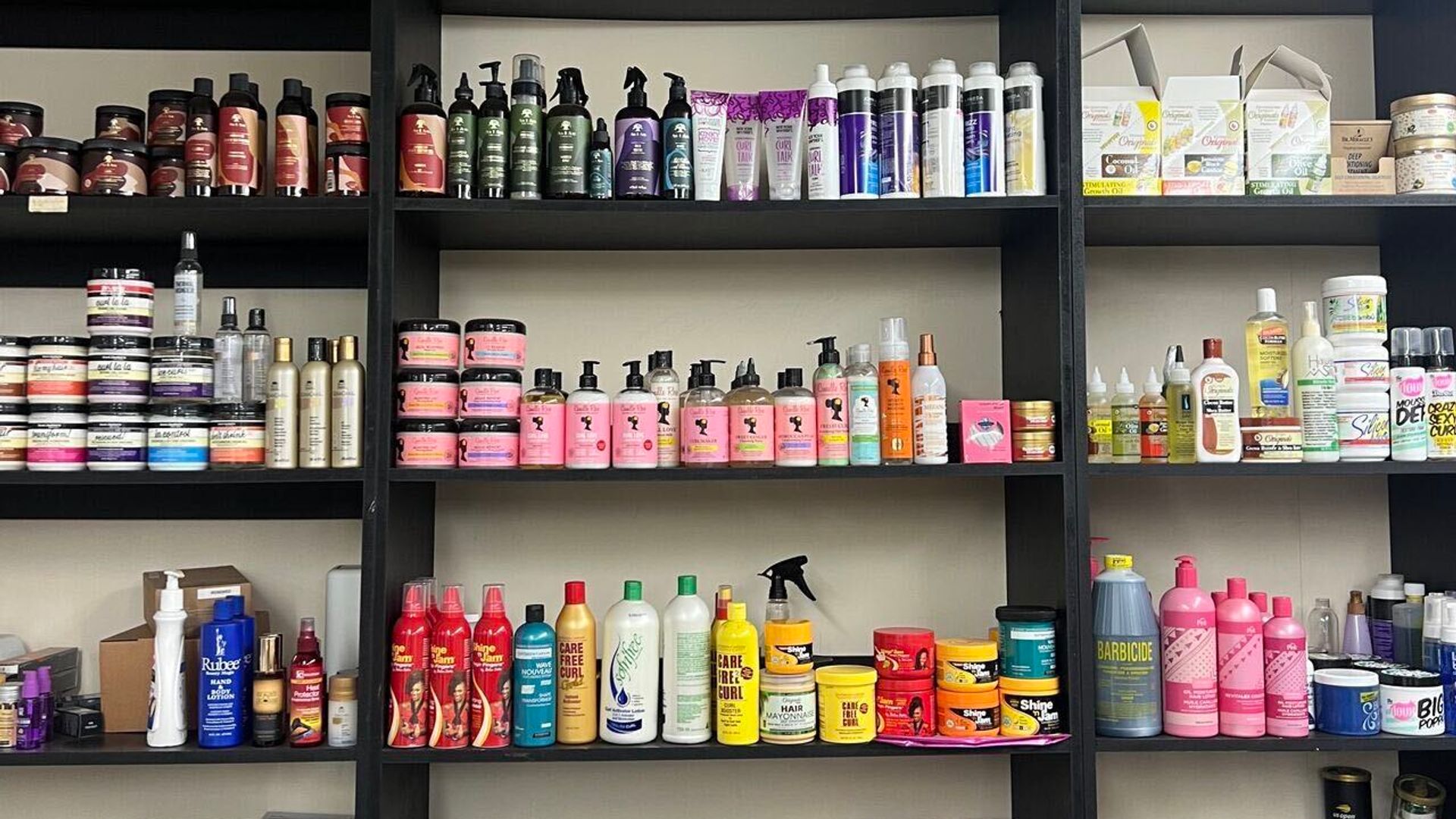
The rise of fake cosmetics is fueled by several factors. The booming global beauty industry, valued at billions of dollars, attracts counterfeiters seeking quick profits by replicating popular brands. Online marketplaces and social media platforms make it easier than ever to distribute these fraudulent products to a vast audience. Many consumers are drawn to counterfeit items by their low prices and deceptive packaging that closely mimics authentic brands.
Unfortunately, regulatory enforcement struggles to keep pace with the sheer volume and sophistication of counterfeit operations. In many cases, fake cosmetics evade customs checks and slip into legitimate retail channels, further endangering public health. The widespread availability of these products means that anyone purchasing cosmetics outside authorized sellers faces potential risks.
What This Means for Consumers and Authorities
The discovery of lead, mercury, and nicotine in counterfeit cosmetics underscores the critical need for vigilance and stricter regulation. Consumers must exercise caution when buying beauty products, ensuring they purchase only from reputable retailers and official brand outlets. Awareness campaigns can educate the public about the dangers of fake cosmetics and how to identify suspicious products.
Authorities are also ramping up efforts to combat counterfeit cosmetics. Increased inspections, seizures, and prosecutions aim to dismantle illicit supply chains. Collaborative initiatives between governments, industry stakeholders, and online platforms are essential to enhance detection and prevent the sale of dangerous fakes.
Moreover, manufacturers are encouraged to incorporate advanced anti-counterfeiting technologies such as holograms, QR codes, and tamper-evident packaging to help consumers verify product authenticity.
Looking Ahead: Protecting Health Through Awareness and Action
The infiltration of toxic substances like lead, mercury, and nicotine into counterfeit cosmetics signals a pressing public health issue that demands immediate attention. As fake beauty products become more prevalent, the risk to consumers escalates, potentially leading to widespread adverse health outcomes.
Consumers, regulators, and the beauty industry must unite to combat this threat. Prioritizing education on the dangers of counterfeit cosmetics, enforcing stringent regulatory measures, and leveraging technology to authenticate products are critical steps to safeguard public health.
Until more comprehensive solutions are in place, vigilance remains the best defense against the hidden hazards lurking in counterfeit cosmetics. Choosing genuine products from trusted sources is essential to avoid exposure to these harmful substances and protect long-term well-being.