A devastating mid-air collision between two helicopters near a small airport in Oregon has claimed the lives of three individuals, including a British student pilot. The fatal accident has sent shockwaves through both the local aviation community and international circles connected to the victims.
What Happened: Details of the Mid-Air Collision
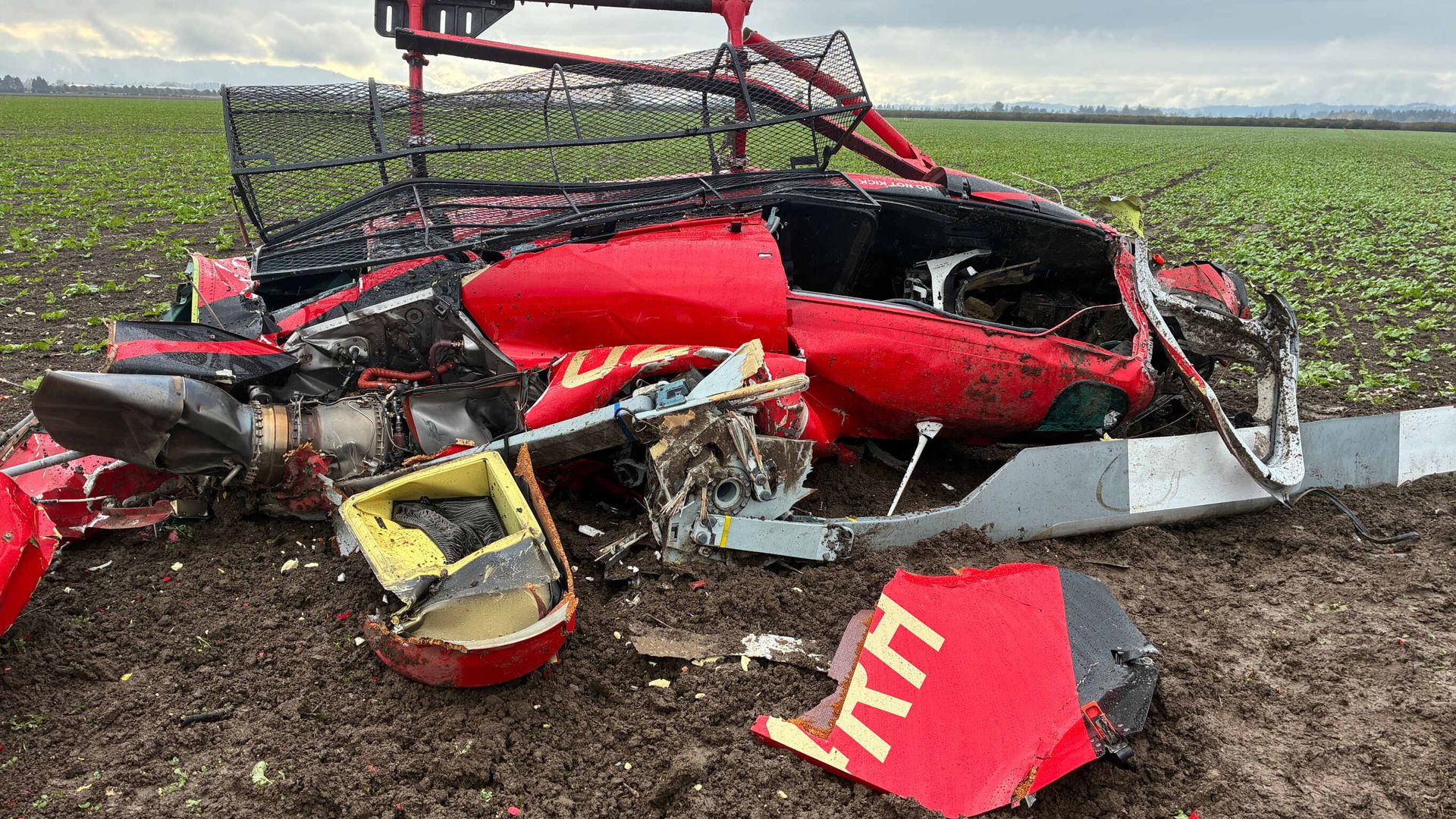
Authorities confirmed that two helicopters collided in mid-air close to a small airport in Oregon, resulting in a catastrophic crash. The incident led to the immediate deaths of all three people onboard both aircraft. Emergency responders rushed to the scene, but there were no survivors.
Among those killed was a British student pilot who had been training in the United States. The identities of the other two victims have not been publicly disclosed, but investigators are working to piece together the circumstances that led to this tragic event.
The exact cause of the collision remains under investigation, with local aviation authorities and the National Transportation Safety Board (NTSB) expected to conduct a thorough inquiry. Weather conditions, pilot error, mechanical failure, and communication issues are typically examined in such cases to determine contributing factors.
Why This Incident Matters: Aviation Safety and International Implications
Mid-air collisions, while rare, represent some of the most severe risks in aviation, especially in controlled airspace around airports where traffic is concentrated. This tragedy highlights the ongoing challenges faced by pilots and air traffic controllers to maintain safe separation between aircraft, particularly helicopters, which often operate in close proximity during training and commercial flights.
The involvement of a British student pilot underscores the global nature of pilot training and aviation operations. Many aspiring pilots travel internationally to train in specialized programs or take advantage of specific flight schools. This incident will likely prompt a review of safety protocols, pilot training standards, and coordination between flight schools and regulatory agencies across borders.
Furthermore, this event raises awareness about the critical importance of situational awareness and communication in aviation training environments. Helicopter pilots must constantly monitor their surroundings and maintain strict adherence to flight rules to avoid collisions, especially when operating near airports or other aircraft.
What Comes Next: Investigation and Lessons for the Aviation Community
The NTSB and local authorities will lead a comprehensive investigation to determine the cause of the crash. This process typically involves analyzing flight data recorders, pilot credentials, maintenance records, and eyewitness accounts. Their findings will be crucial for developing recommendations to prevent similar tragedies.
In the aftermath, families and communities affected by the loss of the three victims will seek answers and support. The British aviation community may also respond by reviewing international pilot training practices and offering guidance to students training abroad.
For the broader aviation industry, this crash serves as a stark reminder of the inherent dangers of flight and the continuous need for rigorous safety measures. Flight schools, regulatory bodies, and pilots will likely intensify efforts to improve training curricula, communication protocols, and risk management strategies.
Closing Takeaway: A Call for Enhanced Vigilance and Safety in Aviation
The tragic loss of a British student pilot and two others in this mid-air helicopter collision near an Oregon airport is a sobering event for the aviation world. It underscores the critical importance of safety, training, and coordination in preventing accidents, especially in complex environments where multiple aircraft operate simultaneously.
As investigations unfold, the aviation community must absorb the lessons from this incident to strengthen protocols and protect lives. The hope is that through diligent inquiry and proactive measures, future tragedies of this nature can be averted, ensuring safer skies for pilots and passengers alike.