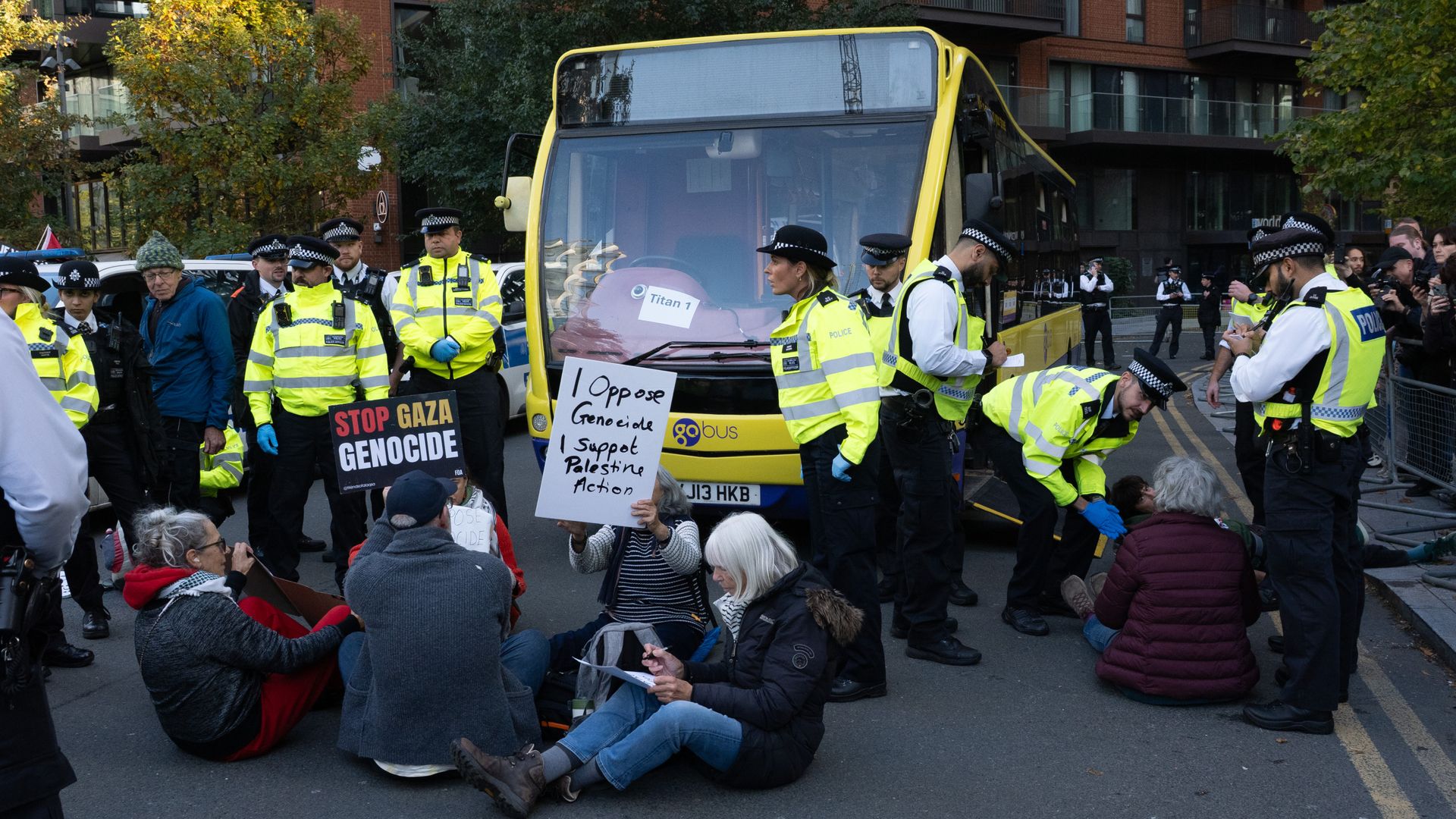
Authorities detained dozens of protesters who publicly expressed support for Palestine Action, a group recently classified as a proscribed organisation. The arrests mark a significant escalation in the government’s efforts to suppress activism linked to this contentious group.
What Happened at the Protest?
During a recent demonstration, law enforcement officials arrested numerous individuals for openly backing Palestine Action. This organisation, known for direct action tactics targeting companies and entities linked to the Israeli military-industrial complex, has drawn intense legal scrutiny. The protestors’ visible support for the group triggered immediate intervention by police, resulting in widespread detentions.
Palestine Action has gained attention for campaigns that include occupying sites and disrupting operations of firms involved in arms manufacturing and military logistics. These actions have generated polarised responses, with supporters viewing them as legitimate resistance and critics condemning them as unlawful.
Why Is Palestine Action Proscribed?
The decision to proscribe Palestine Action reflects the government’s stance on groups it deems a threat to public order and national security. By designating the organisation as proscribed, authorities have criminalised membership, support, and promotion of its activities under the Terrorism Act.
This legal move aims to curtail Palestine Action’s disruptive campaigns, which often target companies accused of supplying weapons used in the Israeli-Palestinian conflict. The proscription has sparked debate around freedom of expression, civil disobedience, and the line between activism and terrorism.
Supporters argue that Palestine Action’s protests spotlight critical issues related to human rights and arms trading. Conversely, the government insists that some of the group’s tactics cross legal boundaries, justifying the crackdown to maintain law and order.
The Broader Implications of These Arrests
The mass arrests at the protest underscore the heightened tensions surrounding activism linked to the Israeli-Palestinian conflict within the UK. They signal a robust enforcement approach toward groups that challenge state policies or engage in direct action deemed unlawful.
This development raises important questions about how democratic societies balance security concerns against the right to protest and political expression. The treatment of Palestine Action supporters may influence the tactics of other activist groups and shape public discourse on contentious international issues.
Moreover, the arrests could have a chilling effect on future demonstrations, potentially deterring individuals from participating in protests connected to proscribed organisations. At the same time, they might galvanise further activism among those who view the crackdowns as unjust suppression.
Looking Ahead: What This Means for Activism and Policy
As legal proceedings unfold, observers will closely watch how courts interpret the boundaries of lawful protest and support for proscribed groups. The case could set significant precedents affecting not only Palestine Action but broader political activism in the UK.
For policymakers, this situation highlights the ongoing challenge of addressing national security concerns without unduly infringing on civil liberties. The government’s firm stance on Palestine Action illustrates its commitment to curbing activities it considers extremist, yet it must also navigate public opinion and international scrutiny.
For activists and the wider public, the arrests serve as a stark reminder of the risks involved in politically charged demonstrations, especially those linked to controversial causes. The evolving legal landscape will likely shape the strategies and messaging of advocacy groups moving forward.
In summary, the recent arrests at the protest supporting Palestine Action reveal the growing tensions between state security measures and activist freedoms. As the situation develops, it will be critical to monitor how these dynamics influence both public policy and the future of political dissent in the UK.