The UK government has announced an urgent meeting with **Poundland’s** top executives as tensions rise around the discount retailer’s ownership structure. This high-stakes discussion reflects growing unease among officials about the implications of who controls one of Britain’s most prominent value retailers.
What Sparked the Urgent Government Intervention?
Poundland, a leading discount retail chain known for its wide range of affordable products, has become the focus of government scrutiny due to uncertainties surrounding its ownership. The retailer, which has a significant footprint across the UK with hundreds of stores, plays a crucial role in providing budget-friendly shopping options for millions of consumers.
Concerns have emerged about the retailer’s ownership, prompting government officials to seek clarity and assurance from company leaders. The exact nature of the ownership issues has not been publicly detailed, but the involvement of senior ministers signals the matter’s seriousness and potential impact on economic, regulatory, or national interests.
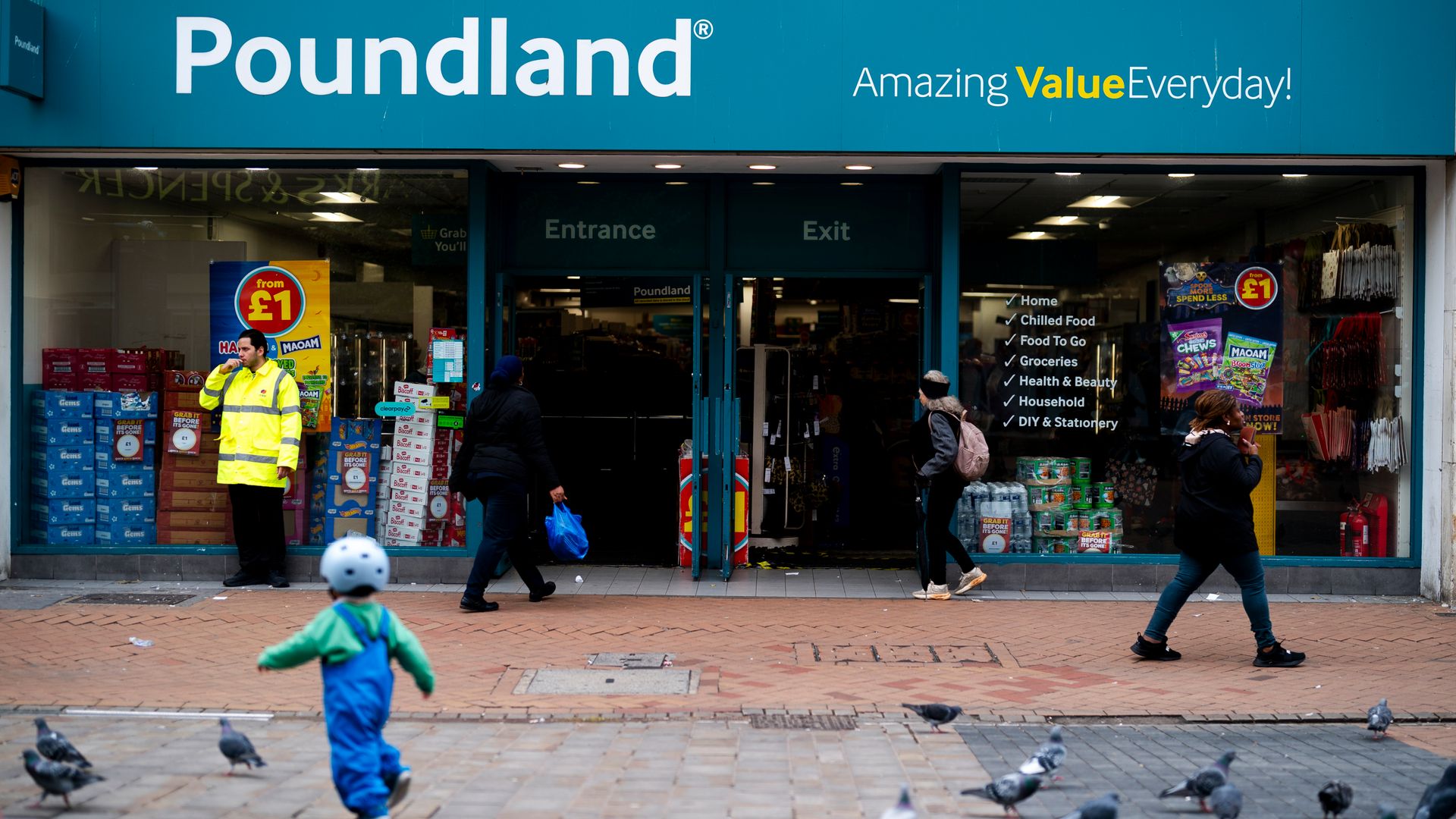
The government’s decision to convene talks with Poundland’s bosses underscores the increasing tension between public authorities and the private sector when it comes to major retailers operating in essential consumer markets. It also highlights the critical role that ownership transparency and governance play in maintaining public confidence, especially in sectors that directly affect the cost of living.
Why Poundland’s Ownership Matters to the Government and Public
Poundland is more than just a discount store; it serves as a vital resource for families and individuals seeking affordable goods amid ongoing economic pressures such as inflation and cost-of-living crises. Any uncertainty surrounding its ownership could have far-reaching consequences.
From a government perspective, ownership issues may raise questions about:
- Economic stability: Ensuring that key retailers remain financially secure and continue operations without disruption.
- Regulatory compliance: Verifying that ownership structures comply with UK laws and regulations, including those related to foreign investment and national security.
- Consumer protection: Safeguarding shopping affordability and consistent product availability for the public.
For consumers, the ownership dispute could lead to concerns about potential changes in pricing, product range, or store closures. Given Poundland’s role in offering low-cost essentials, any instability threatens to exacerbate financial strain on vulnerable households.
What Can We Expect from Upcoming Government Talks?
The meeting between government ministers and Poundland’s senior management aims to clarify the situation and seek assurances that the retailer’s operations will remain stable and compliant with all relevant regulations. Officials are likely to explore the company’s strategic direction, ownership details, and future plans to ensure the retailer continues serving its customer base effectively.
While the government has not disclosed specific outcomes it expects from the talks, the urgency of the meeting indicates a priority to resolve any ambiguities swiftly. The situation also emphasizes the government’s proactive stance in overseeing critical sectors affecting everyday consumers.
Retail analysts suggest that these talks could lead to increased government oversight or even policy adjustments concerning ownership transparency in the retail sector. This could set a precedent for how other key retailers’ ownership issues are handled in the future.
Why This Matters: The Broader Implications
The government’s urgent intervention in the Poundland ownership matter reflects wider concerns about the stability and transparency of major retail chains in the UK. As consumers face rising costs and economic uncertainty, maintaining confidence in retailers that provide affordable options is essential.
Moreover, this episode highlights the delicate balance governments must maintain between encouraging private enterprise and protecting public interest. Ensuring that ownership structures do not pose risks to economic stability or consumer welfare is increasingly becoming a priority in policy discussions.
For Poundland, the outcome of these talks could influence its future trajectory, impacting everything from its corporate governance to operational decisions. For shoppers, the resolution will ideally preserve the accessibility and affordability they rely on.
Ultimately, this development serves as a reminder of the interconnected nature of business, government oversight, and consumer well-being in today’s complex economic landscape.
Stay tuned as more details emerge about the government’s discussions with Poundland and the potential impact on the UK retail scene.