The UK is accelerating its push into the global artificial intelligence (AI) infrastructure race, with National Grid securing a pivotal deal to construct the nation’s largest electricity substation on Teesside. This development marks a critical step in supporting the massive energy demands of future data centres, positioning the UK as a competitive hub for AI technology.
Transforming Teesside into a Powerhouse for AI Infrastructure
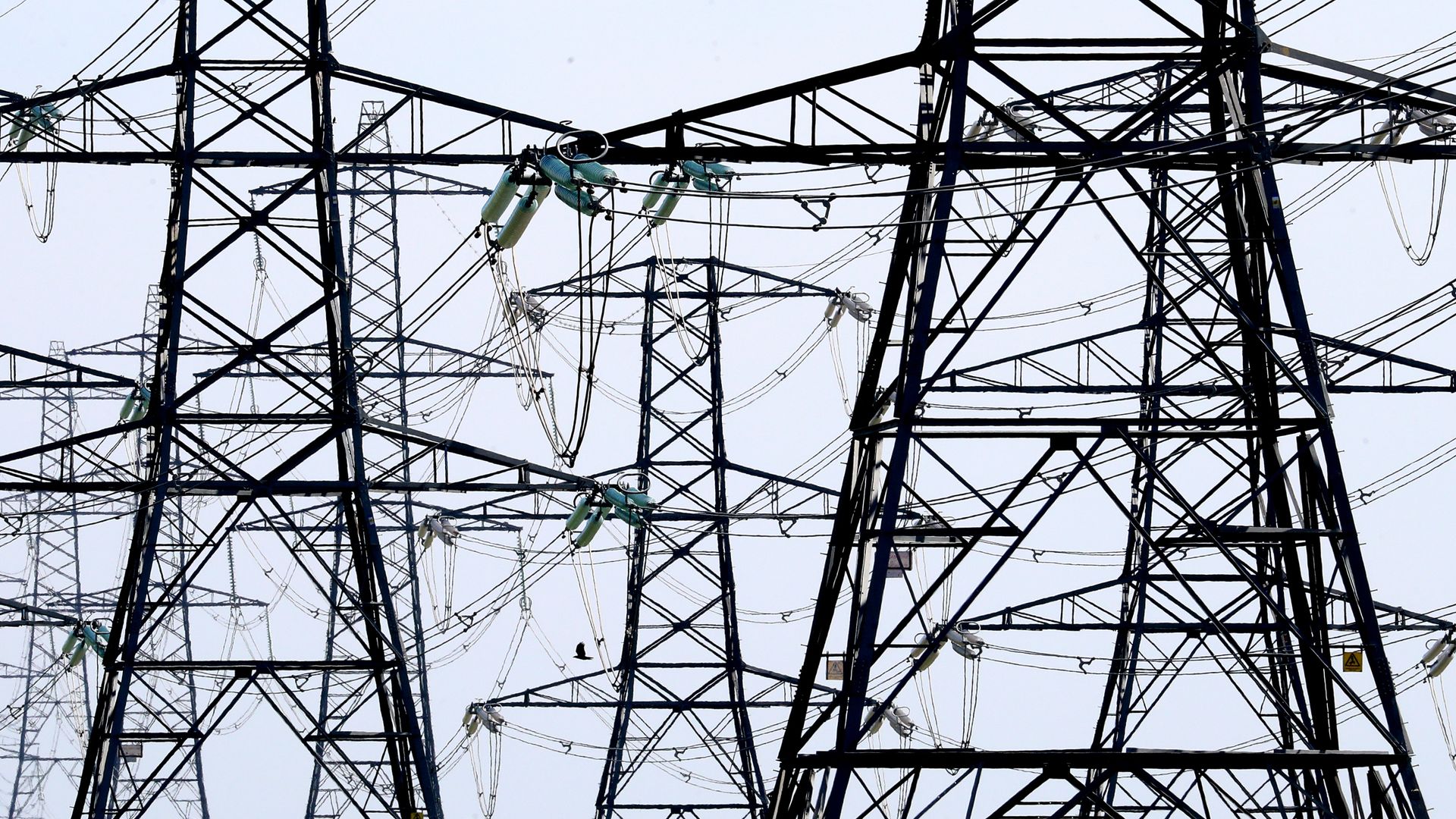
National Grid’s agreement unlocks the potential for a groundbreaking electricity substation, designed to deliver unprecedented power capacity to the region. As AI technologies expand rapidly worldwide, their infrastructure demands intensify, requiring vast and reliable electricity supplies. Data centres — the backbone of AI processing and cloud computing — consume enormous amounts of energy, making grid capacity a strategic priority for governments and energy providers alike.
Teesside, located in northeast England, has emerged as a prime location for large-scale data centre projects due to its existing industrial infrastructure and access to renewable energy sources. By developing the UK’s biggest electricity substation here, National Grid ensures that the region can support these high-energy facilities, reducing bottlenecks in power supply and fostering economic growth.
Why This Deal Matters for the UK’s AI Ambitions
The UK government has made it clear that securing a foothold in the AI sector is vital for future economic success. AI data centres require massive, stable electrical inputs to operate effectively and efficiently. Without sufficient grid upgrades, Britain risks losing out to other global players who are rapidly expanding their AI capabilities.
This agreement facilitates the construction of a substation that can handle the surge in electricity demand generated by cutting-edge AI data centres. It represents a proactive response to current infrastructure challenges, ensuring that the UK remains an attractive destination for tech investment. The substation will not only support AI but also bolster the broader digital economy by enhancing grid reliability and capacity.
Moreover, the project aligns with the UK’s energy transition goals, as Teesside’s access to renewable energy sources like offshore wind farms can feed directly into the upgraded grid, supporting greener, more sustainable data centre operations.
What Comes Next: Implications and Future Prospects
With this deal in place, National Grid can move forward with planning and construction, setting the stage for a new era of energy infrastructure tailored to AI and digital technology demands. The substation will enable developers to build some of the largest data centres in the UK, attracting investment and creating high-skilled jobs in the region.
For Teesside, the project promises a significant economic boost, potentially transforming the area into a key technology hub. The increased grid capacity will also benefit local communities by enhancing power stability and supporting future renewable energy integration.
National Grid’s initiative exemplifies how infrastructure development is crucial to technological advancement. As AI continues to reshape industries globally, robust energy systems will be indispensable. This milestone on Teesside highlights the UK’s commitment to staying at the forefront of this global transformation.
Why It Matters to You
The rise of AI and digital technologies hinges on reliable, large-scale power infrastructure. National Grid’s deal to build the UK’s largest electricity substation signals that Britain is preparing to meet these demands head-on. This move not only supports economic growth and innovation but also sets a foundation for sustainable, energy-efficient technology development.
For businesses, policymakers, and communities, the substation represents a critical investment in the future—one that could lead to more jobs, cleaner energy, and stronger technological leadership on the global stage.
As the project advances, it will be essential to monitor how this infrastructure shapes the UK’s AI landscape, influencing everything from digital services to environmental goals.