Starting in 2028, students across England, Wales, and Northern Ireland will have the opportunity to sit for a Ukrainian GCSE, marking a significant expansion in the diversity of language qualifications offered in UK schools. This decision reflects growing recognition of Ukraine’s cultural and geopolitical importance, as well as the increasing demand for Ukrainian language studies among British students.
Introducing the Ukrainian GCSE: What You Need to Know
The UK government’s announcement to introduce a Ukrainian GCSE by 2028 is part of a broader initiative to enrich the curriculum with languages that represent the country’s changing demographics and international relationships. The GCSE (General Certificate of Secondary Education) is a critical qualification for students aged 14 to 16, often shaping their academic and career trajectories.
Currently, the GCSE language offerings include widely taught foreign languages such as French, Spanish, and German. Adding Ukrainian to this lineup will provide students with an opportunity to engage with an Eastern European language that has gained prominence due to recent geopolitical developments and the UK’s support for Ukraine.
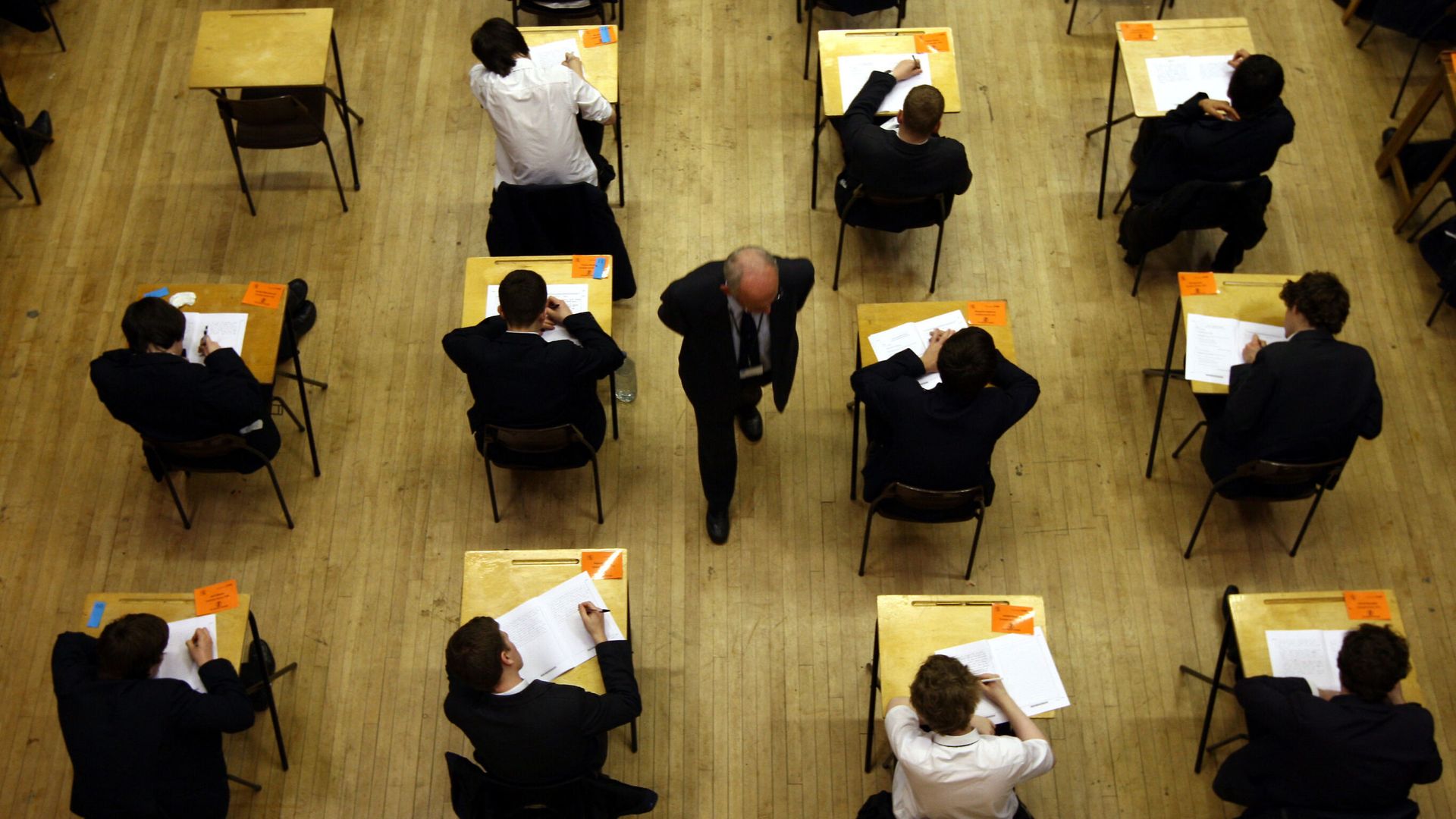
The introduction of the Ukrainian GCSE will involve developing a comprehensive syllabus that covers reading, writing, speaking, and listening skills, enabling students to attain proficiency in the language. Education authorities and examination boards will collaborate to create resources, training for teachers, and assessment criteria that align with the rigorous standards of other GCSE subjects.
Why the Ukrainian GCSE Matters
This new qualification serves multiple purposes beyond academic enrichment. Firstly, it acknowledges the sizeable Ukrainian diaspora residing in the UK, particularly following increased migration due to the conflict in Ukraine. Providing students with access to Ukrainian language education supports cultural integration and helps preserve linguistic heritage within these communities.
Moreover, offering Ukrainian as a GCSE language reflects the UK’s commitment to fostering international understanding and diplomacy. Language skills are critical in global affairs, and equipping young learners with Ukrainian proficiency can open doors in fields such as international relations, business, journalism, and humanitarian work.
Educators also anticipate that the Ukrainian GCSE will encourage cross-cultural dialogue within schools, promoting awareness of Ukraine’s history, literature, and cultural contributions. This cultural literacy enriches the educational experience and prepares students to engage confidently in an interconnected world.
Implementation and What Comes Next
Rolling out the Ukrainian GCSE by 2028 allows ample time for schools to prepare. This includes recruiting and training qualified Ukrainian language teachers, developing curricular materials, and raising awareness among students and parents about the new option.
Examination boards will work closely with Ukrainian language experts and community groups to ensure the course content is both academically rigorous and culturally authentic. The government’s education departments in England, Wales, and Northern Ireland will oversee the integration process to maintain consistency and quality across regions.
Schools interested in offering the Ukrainian GCSE will be encouraged to start preliminary steps well in advance, such as surveying student interest and establishing connections with Ukrainian cultural organizations. This groundwork will facilitate a smooth introduction of the subject into the GCSE lineup.
Looking Ahead: The Impact on Students and Society
The arrival of the Ukrainian GCSE exemplifies the UK’s evolving educational landscape, one that embraces linguistic diversity and global citizenship. For students, mastering Ukrainian can be a unique asset, enhancing cognitive skills and expanding their cultural horizons.
For the broader society, this development promotes inclusivity and acknowledges the dynamic nature of the UK’s population and its international relationships. As the world grows more interconnected, language education like this plays a vital role in building bridges between communities and countries.
In summary, the introduction of the Ukrainian GCSE from 2028 is a forward-thinking move that benefits students, educators, and society at large. It reflects the UK’s dedication to providing relevant, diverse education aligned with global realities and local community needs.