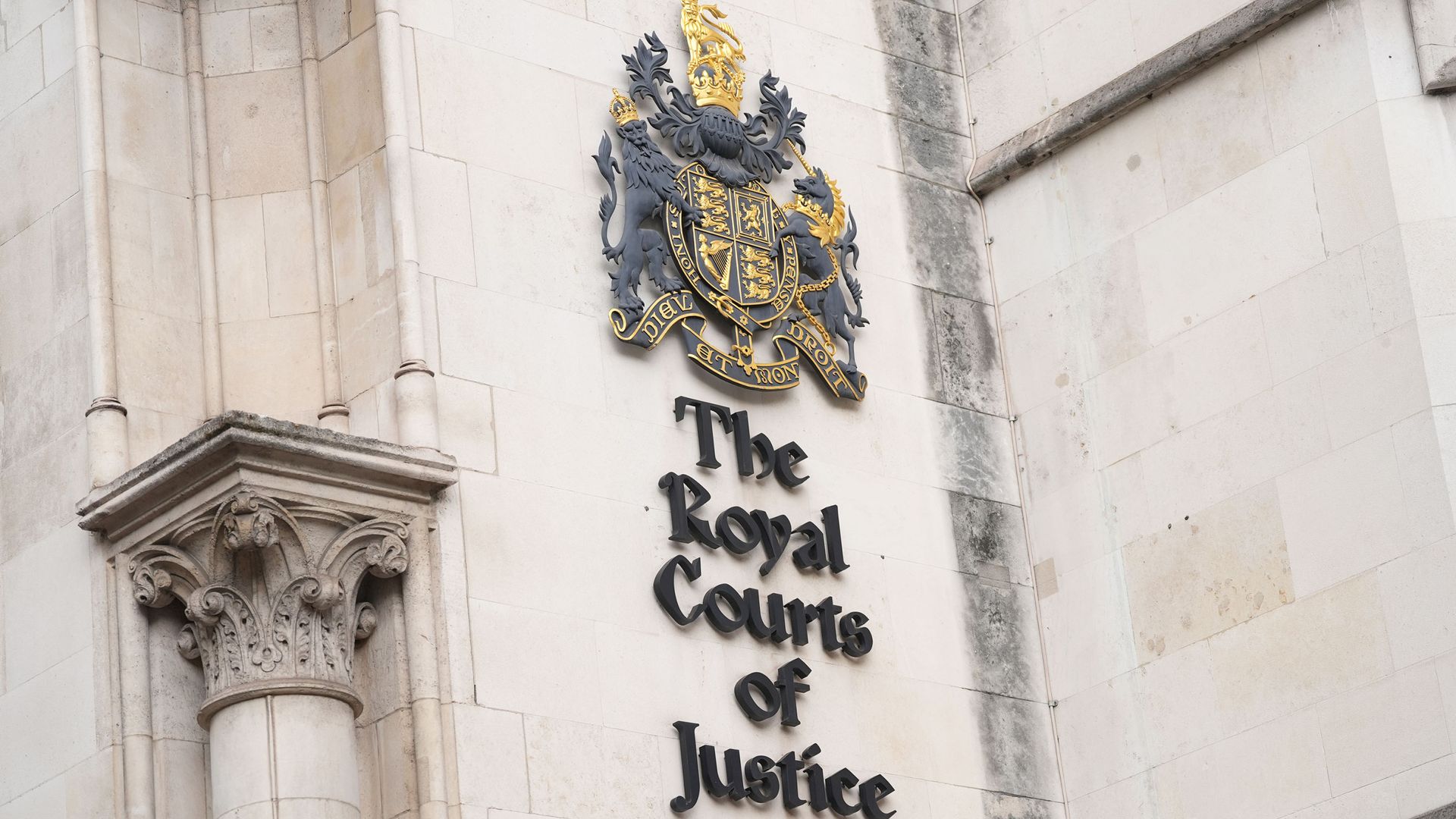
MI5, the United Kingdom’s domestic security agency, has come under intense scrutiny for submitting false evidence to three separate courts. Despite the serious nature of these breaches, neither the agency nor its director-general will face legal consequences. This development raises critical questions about accountability within one of Britain’s most powerful intelligence bodies.
What Happened: False Evidence Presented to Courts
In a damning admission, MI5 acknowledged that it “fell badly short” of its responsibilities by providing inaccurate and misleading information during legal proceedings. The false evidence was submitted across three different courts, undermining the integrity of the judicial process and potentially affecting the outcomes of those cases.
The precise nature of the false evidence has not been fully disclosed, but the agency’s own internal review revealed significant lapses in fact-checking and oversight. The courts rely heavily on intelligence agencies like MI5 to provide truthful and accurate information, especially in cases related to national security and terrorism. Any deviation from this standard jeopardizes not only individual cases but also public trust in the justice system.

Why MI5 Escaped Legal Action
Despite this serious failing, MI5 and its director-general have not been subjected to any legal proceedings or sanctions. The decision not to pursue legal action appears to stem from the agency’s unique position within the government and the sensitive nature of its work, which often involves classified information and national security concerns.
Legal experts suggest that prosecuting MI5 could set a complex precedent, potentially exposing classified methods and sources, which might compromise ongoing operations. Additionally, the government may have determined that internal reforms and increased oversight are more effective remedies than litigation against the intelligence service.
This lack of accountability, however, has sparked debate among legal professionals, civil rights advocates, and politicians. Critics argue that without consequences, MI5 risks eroding the public’s confidence in its ability to operate lawfully and transparently. They contend that agencies tasked with protecting the nation must be held to the highest standards of accuracy and honesty, particularly in judicial settings.
The Broader Implications for National Security and Justice
The revelation that MI5 provided false evidence in multiple courts underscores the delicate balance between national security and the rule of law. Intelligence agencies must protect the country from threats, but they must also comply with legal and ethical standards to maintain legitimacy.
This incident may prompt calls for enhanced oversight mechanisms, including stronger parliamentary scrutiny and independent reviews of intelligence evidence presented in court. Some experts advocate for the establishment of specialized judicial bodies capable of handling classified information without compromising transparency or security.
For individuals affected by the false evidence, the situation raises concerns about potential miscarriages of justice. It remains unclear whether any of the cases influenced by MI5’s inaccurate evidence will be revisited or appealed.
What This Means Moving Forward
The MI5 false evidence controversy highlights the ongoing challenges faced by intelligence agencies operating within democratic frameworks. While ensuring national security is paramount, safeguarding civil liberties and upholding legal standards are equally crucial.
Moving forward, policymakers and the public must demand greater accountability and transparency from security agencies. The government may need to implement stricter protocols to verify the accuracy of intelligence used in courts and to establish clearer consequences for breaches.
Ultimately, this episode serves as a stark reminder that even the most secretive institutions are not above the law. Maintaining the delicate equilibrium between security and justice will require vigilance, reform, and an unwavering commitment to truth.