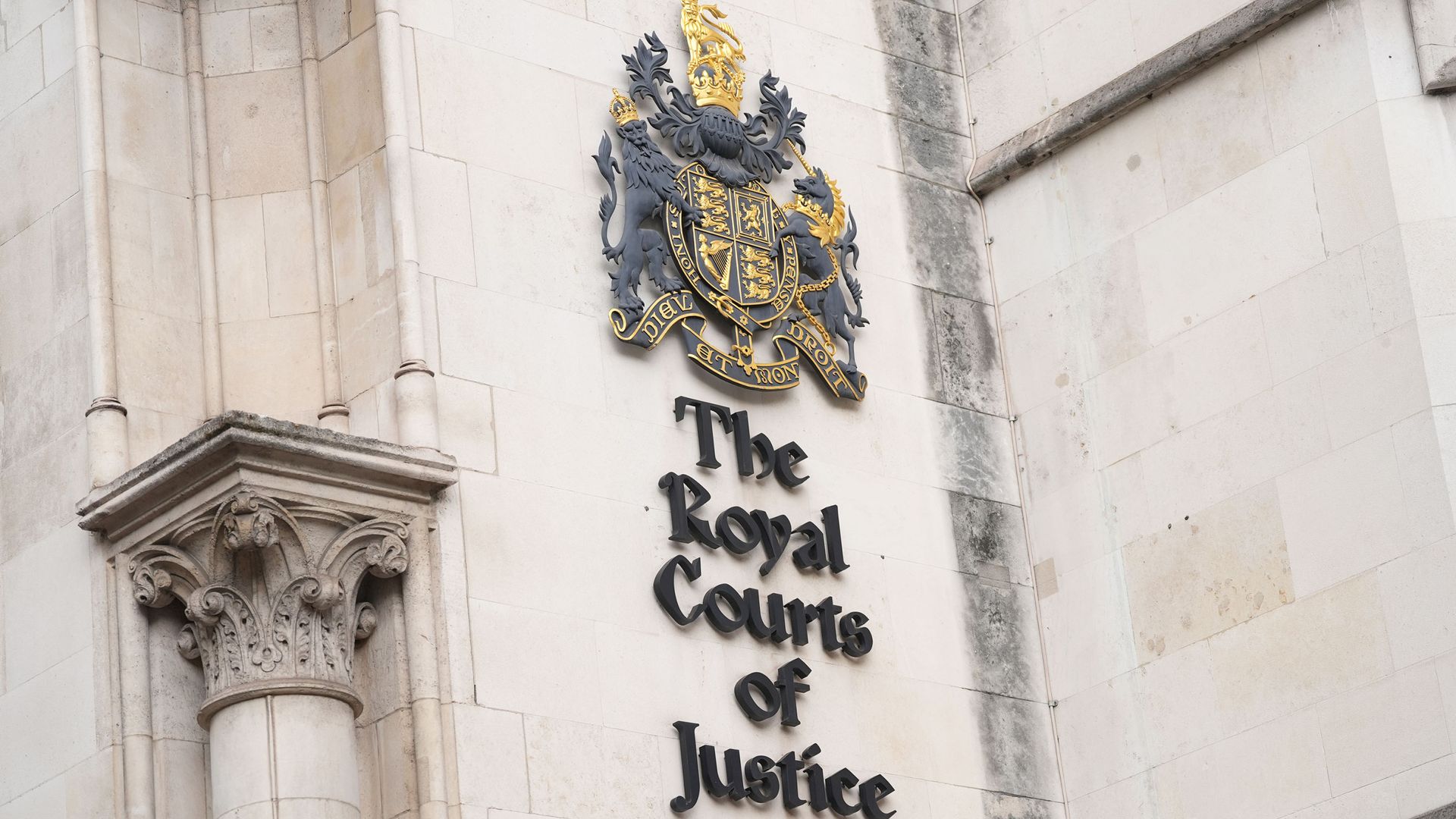
A legal battle unfolded as a man sought to block two news organisations from publishing serious allegations against him. However, a judge has decisively rejected his injunction request, allowing the media outlets to proceed with their reporting. Despite this ruling, the man’s identity remains under legal protection, preventing his name from being disclosed publicly—at least for now.
Background: The Injunction Attempt and Legal Context
The man approached the court to secure an injunction aimed at stopping two prominent news organisations from releasing damaging allegations. Injunctions serve as powerful legal tools to restrain the publication of material considered defamatory, false, or prejudicial before any trial or formal investigation concludes. They reflect the court’s attempt to balance freedom of the press with individual rights to privacy and reputation.
In this case, the man’s legal team argued that the forthcoming publications would irreparably harm his reputation. They sought to prevent the media from publishing details that could unfairly influence public opinion or impact ongoing legal processes. However, the judge weighed these concerns against principles of transparency and the public interest.
Why the Injunction Was Denied
The court’s refusal to grant the injunction indicates that the judge found the media’s right to report the allegations outweighed the man’s attempt to suppress the information. While the exact reasons behind the ruling have not been fully detailed, this outcome typically suggests that the judge believed the allegations had sufficient grounding to warrant public scrutiny or that blocking the reports would unjustifiably restrict press freedom.
Crucially, the judge’s decision does not equate to a finding of guilt or validation of the allegations themselves. Rather, it permits the media to publish the contested material, subject to any future defamation or legal challenges. This distinction maintains the presumption of innocence while recognizing the media’s role in informing the public about matters of potential significance.
Why the Man’s Name Is Still Withheld
Despite losing the injunction, the man’s identity remains legally protected. Courts often impose reporting restrictions in sensitive cases to prevent undue harm or prejudice, especially when the subject has not been convicted or where disclosure could compromise ongoing investigations.
These anonymisation orders serve multiple purposes: safeguarding privacy, protecting fair trial rights, and ensuring that any eventual legal proceedings remain impartial. The continuation of this protection underscores the careful balance courts attempt to strike between transparency and individual rights.
What This Means for Media and Public Interest
This ruling highlights the ongoing tensions between press freedom and personal privacy. By denying the injunction, the court affirms the media’s critical function as watchdogs capable of holding individuals and institutions accountable. Meanwhile, withholding the man’s name signals judicial caution, acknowledging the potential consequences of premature public identification.
For the public, the case serves as a reminder of the complex legal frameworks that govern reporting on sensitive allegations. It also illustrates how the justice system navigates competing interests: the right to know versus the right to a fair and private legal process.
As the story develops, further legal proceedings or investigations may clarify the truth behind the allegations. Until then, the media’s ability to report and the court’s protection of identity will continue to play pivotal roles in shaping public understanding.
Looking Ahead
The denial of the injunction opens the door for media coverage of the allegations, potentially influencing public discourse and prompting further scrutiny. However, the continued anonymity preserves the man’s legal protections during this uncertain period.
Observers should watch for updates as more information becomes available, including any subsequent court decisions that may lift the anonymity or address the substance of the claims. This case exemplifies the delicate balance between transparency and justice that courts must maintain in high-profile injunction disputes.