
Millwall Football Club has been handed a significant disciplinary sanction after violating the Football Association’s (FA) crowd conduct regulations. The club now confronts a partial stadium closure as a consequence of two separate breaches involving offensive chanting deemed both ableist and homophobic.
Details of the FA Breach and Club Sanctions
The FA’s investigation found that Millwall supporters engaged in chanting that targeted individuals with disabilities and members of the LGBTQ+ community. These incidents represent serious violations of the FA’s stringent rules against discriminatory behavior in football stadiums. In response, the FA imposed a partial closure of Millwall’s home ground, meaning a section of the stadium will be inaccessible to fans during upcoming matches.
This punishment aims to hold the club accountable for the behavior of its supporters and to signal zero tolerance for hate speech and abusive conduct in football. The partial closure also serves as a deterrent, encouraging clubs to take proactive steps to prevent similar infractions in the future.
Context: Millwall’s History with Crowd Behavior and FA Regulations
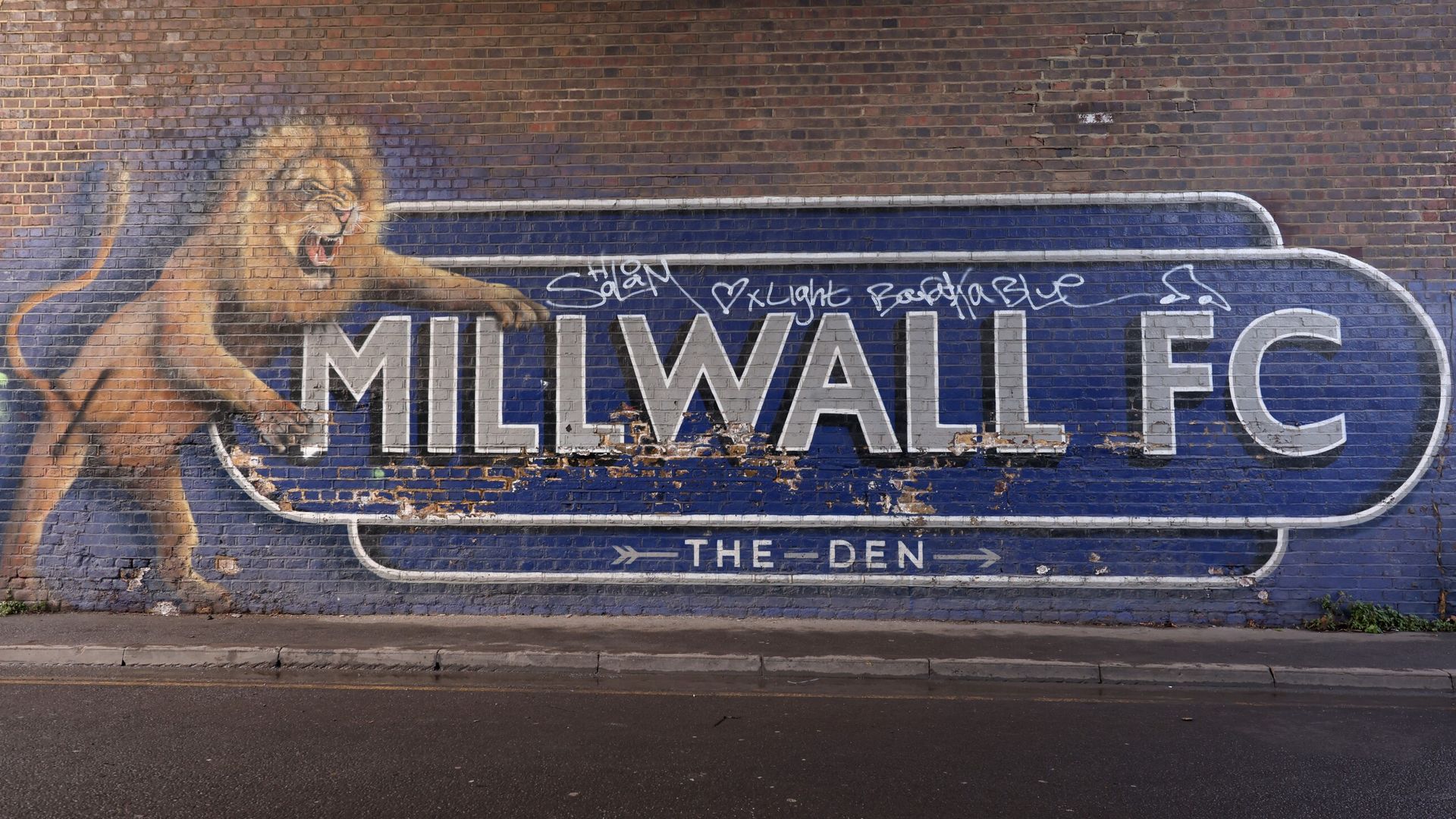
Millwall FC has a long-standing reputation for passionate, sometimes volatile, fan support. While the club has made efforts to curb unruly conduct, incidents of offensive chanting have occasionally marred matchdays. The FA’s regulations explicitly prohibit any form of discriminatory chanting or behavior, including language and actions that demean people based on their disability, sexual orientation, race, or religion.
These rules are part of broader initiatives to make football stadiums safer and more inclusive environments. The FA continuously monitors crowd behavior and imposes sanctions to uphold the game’s integrity and protect all participants and spectators from abuse.
Why This Matters: The Impact on Fans and Football Culture
The FA’s decision to partially close Millwall’s stadium sends a strong message about the unacceptable nature of ableist and homophobic chanting. Such conduct not only harms targeted individuals but also damages the reputation of the club and the sport as a whole.
Football clubs depend on their fan base for support and atmosphere, but this support must never cross the line into discrimination or abuse. The partial closure will affect the matchday experience for many Millwall supporters, emphasizing the real consequences of failing to control offensive behavior within the stands.
Clubs across the footballing world are increasingly expected to foster inclusive environments, where all fans feel welcome and safe. This incident underscores the ongoing challenges football faces in eradicating discriminatory conduct and highlights the importance of collective responsibility among clubs, players, and supporters.
Looking Ahead: What This Means for Millwall FC
Millwall now faces the challenge of addressing the root causes of these breaches and implementing stronger measures to prevent future incidents. The club will need to work closely with the FA, law enforcement, and fan groups to promote respectful conduct and ensure compliance with regulations.
Effective education campaigns, clearer stadium policies, and increased stewarding could form part of Millwall’s strategy moving forward. The partial stadium closure represents both a punishment and an opportunity for the club to demonstrate leadership in creating a more welcoming football culture.
As football continues its evolution toward greater inclusivity, the actions taken against Millwall serve as a crucial reminder that discriminatory behavior has no place in the game. The hope is that this sanction will catalyze positive change and reinforce the commitment to respect and equality across all levels of the sport.
Ultimately, the Millwall case illustrates the ongoing battle against offensive chanting and discrimination in football, highlighting the importance of vigilance, accountability, and cultural change within clubs and their communities.