
A full-day strike by London Underground drivers is officially scheduled for this week after critical talks between union representatives and Transport for London (TfL) failed to reach an agreement. This industrial action threatens to disrupt the capital’s public transport network, impacting millions of commuters and visitors alike.
Why the Strike Is Happening
The strike stems from a bitter dispute over pay, working conditions, and job security for London Tube drivers. Union leaders have expressed frustration with what they describe as inadequate offers from TfL during recent negotiations. Despite multiple rounds of discussions aimed at finding common ground, the parties remain at an impasse.
London Underground drivers, represented by their union, argue that their compensation has not kept pace with the rising cost of living and the increasing demands of their roles. They also raise concerns about staffing levels, safety standards, and the long-term sustainability of their jobs amid ongoing operational changes at TfL.
On the other side, TfL faces significant financial pressures following the pandemic-induced drop in ridership and revenue. The authority has implemented strict budget controls and insists that pay offers must align with broader fiscal constraints. TfL officials maintain that they are committed to maintaining service quality but must balance this with responsible financial management.
What the Strike Means for Londoners
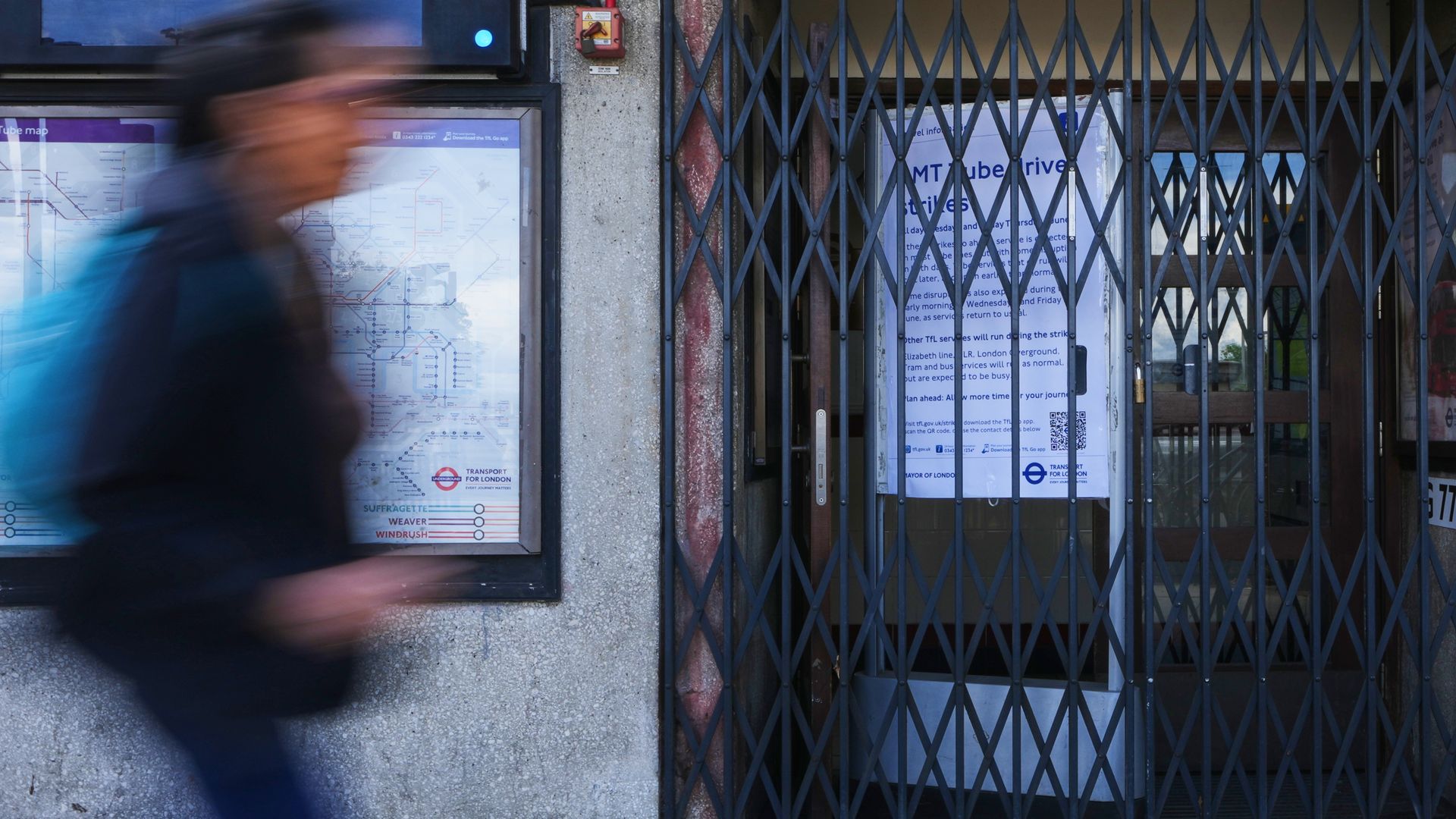
The planned 24-hour strike will result in severe disruptions across the Tube network, which transports millions of passengers daily. Key lines and stations are expected to be closed or operate on a limited basis, leaving commuters scrambling for alternative travel options. The strike could also ripple through other transport systems, increasing pressure on buses, Overground trains, and road traffic.
For many Londoners, the strike comes at a challenging time, with rising inflation and economic uncertainty already straining household budgets. The prospect of reduced transport options threatens to complicate daily routines, affecting workers, students, and tourists who rely heavily on the Tube for mobility.
Businesses in central London may also feel the impact as fewer customers and employees navigate into the city smoothly. The strike’s timing and potential duration have prompted warnings from local authorities and businesses to prepare contingency plans to mitigate economic fallout.
What Could Happen Next?
With the strike set to proceed as planned, both TfL and the union face mounting pressure to return to the negotiating table. Historically, such disputes sometimes see last-minute agreements that could avert or shorten planned strikes. However, given the current breakdown in talks, the likelihood appears slim.
Transport for London has urged passengers to check service updates regularly and consider alternative travel arrangements during the strike. They have also emphasized ongoing efforts to resolve the dispute through dialogue once the strike concludes.
Union representatives remain steadfast in their demands, emphasizing the strike as a necessary step to secure fair treatment and improved conditions for their members. The outcome of this dispute will likely set a precedent for future negotiations involving public sector workers in London and beyond.
Why This Strike Matters
This strike highlights the broader challenges facing public transportation systems worldwide as they recover from the pandemic’s impact while adapting to new economic realities. The conflict underscores the delicate balance between ensuring fair labor conditions and maintaining financially viable services that millions depend on daily.
For London, the strike serves as a critical reminder of the essential role transport workers play in the city’s functioning and the importance of addressing their concerns proactively. It also puts a spotlight on the need for sustainable funding models that can support both workers and the infrastructure they operate.
As Londoners brace for the disruption, the unfolding situation will be closely watched by policymakers, industry stakeholders, and commuters alike. The resolution—or prolongation—of this dispute could influence how future labor negotiations unfold across the transport sector and other public services.
Looking Ahead
While the immediate future appears challenging for London’s Tube network and its users, the strike could become a catalyst for meaningful change if it leads to renewed commitments to fair pay and improved working conditions. Both TfL and the union face a pivotal moment to find solutions that balance operational needs with the welfare of their workforce.
For now, passengers should prepare for significant disruption this week and stay informed through official channels. The outcome of this dispute may well shape the landscape of London’s public transport for years to come.