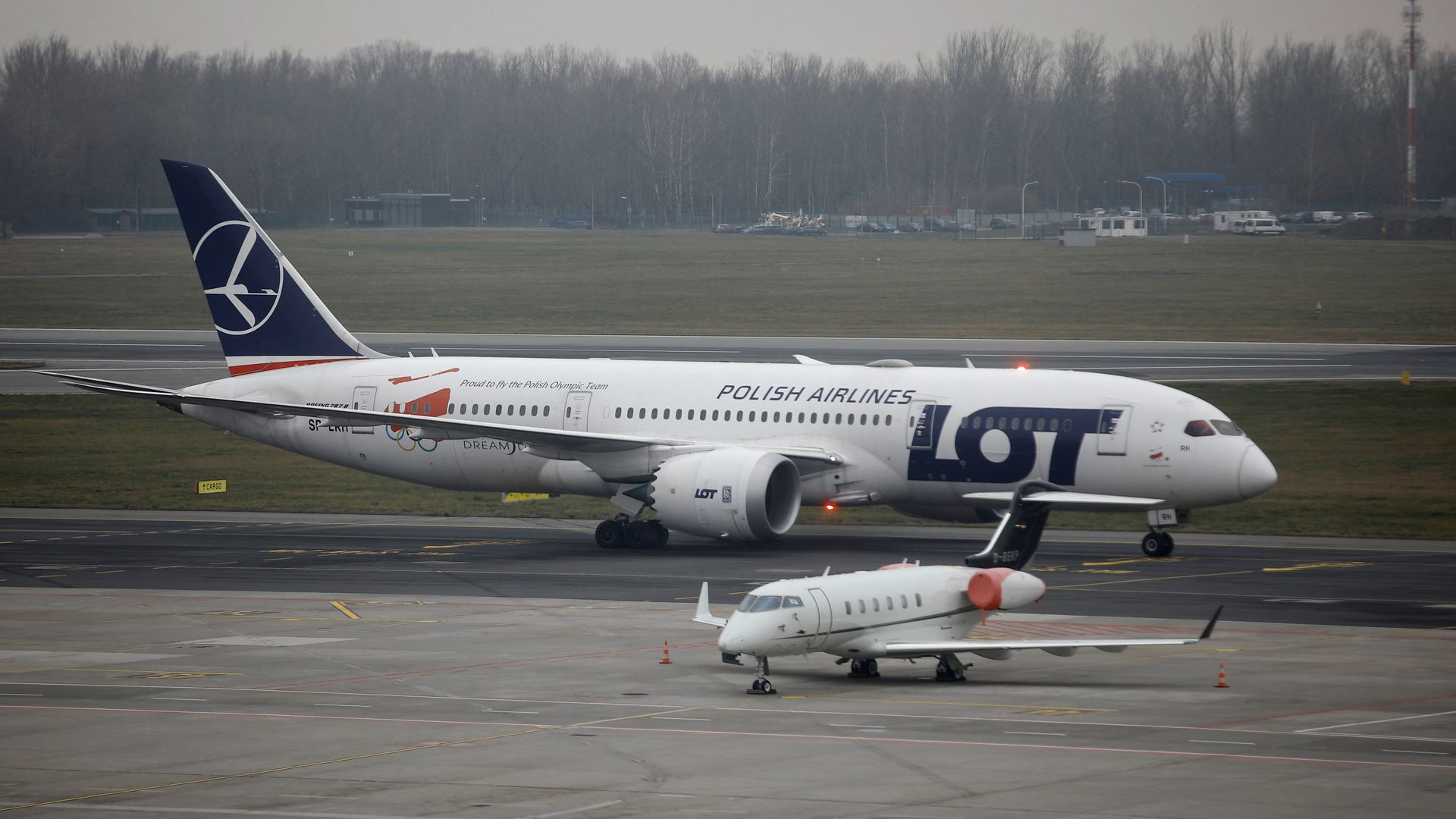
Britain’s top airlines are sounding the alarm over a recent government budget policy that could significantly increase ticket prices for air travelers. Industry leaders caution that this overlooked fiscal adjustment threatens to burden passengers with higher costs, potentially reshaping the future of air travel affordability in the UK.
What Is the Budget Measure and Why It Matters
In the latest government budget, a subtle yet impactful change was introduced affecting the aviation sector’s financial landscape. While the precise technical details remain complex, the essence of the policy involves adjustments to taxation or regulatory fees related to air travel. These modifications are expected to directly increase operational costs for airlines.
Airlines operate on tight margins, often competing fiercely on price to attract passengers. Even a small hike in taxes or fees can ripple through the system, compelling carriers to raise fares to maintain profitability. The concern voiced by airline executives is that this budget measure, though minor on paper, could translate into noticeable fare increases at the ticket counter.
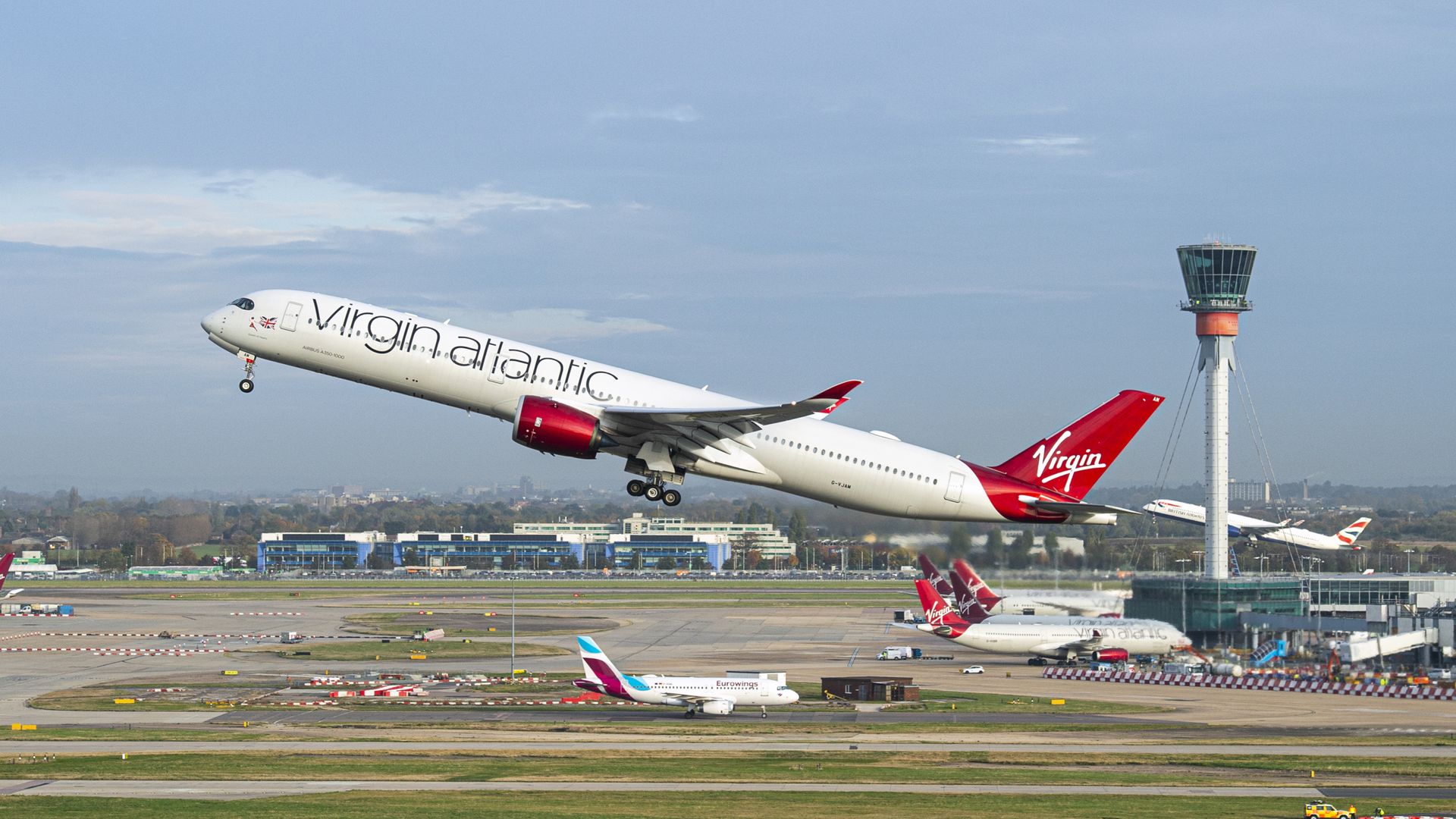
This development arrives at a time when the aviation industry is still recovering from pandemic-induced challenges. Airlines have been grappling with fluctuating demand, staffing shortages, and volatile fuel prices. Adding a new financial strain threatens to slow the sector’s rebound and could deter travelers already wary of rising travel expenses.
Who Is Affected and How Airlines Are Responding
The primary stakeholders impacted by this budget policy are passengers, airlines, and the broader economy. Passengers face the prospect of paying more for domestic and international flights, which could suppress demand, especially among budget-conscious travelers and families.
Major UK airlines have expressed their concern directly to government officials, urging a reconsideration or mitigation of the policy’s effects. They argue that increasing airfares not only inconveniences consumers but also risks stifling tourism and business travel, sectors crucial for economic growth.
Some carriers may attempt to absorb part of the increased costs to remain competitive, but this approach is unlikely to be sustainable long term. Others may restructure routes, reduce flight frequencies, or cut services on less profitable lines, all of which could reduce travel options for passengers.
Industry experts warn that smaller regional airports and low-cost carriers may feel the pinch most acutely. These entities often operate on thinner margins and cater heavily to price-sensitive customers, making them vulnerable to cost shocks.
Implications for the UK Aviation Sector and Travelers
The warning from airlines highlights a critical tension between government revenue measures and the health of the aviation industry. While governments seek to balance budgets and address environmental concerns through taxation, they must also consider the competitive position of their national carriers and the affordability of air travel for citizens.
Higher fares could lead to a decline in passenger numbers, potentially offsetting expected government revenue gains from the tax changes. Additionally, reduced connectivity could hamper regional economies dependent on air links for tourism and business.
For travelers, the looming price increases mean that flying may become less accessible, particularly for occasional or price-sensitive passengers. This could shift travel behavior, encouraging alternatives like rail for domestic journeys or fewer international trips.
On a broader scale, the aviation industry’s capacity to invest in innovation, sustainability, and infrastructure improvements could be constrained if revenue diminishes due to decreased demand. This could slow progress toward greener, more efficient air travel.
Looking Ahead: Balancing Budget Goals and Aviation Growth
The government faces a delicate balancing act: raising necessary funds without undermining a vital sector. Open dialogue between policymakers and airline representatives is essential to craft solutions that support fiscal objectives while safeguarding airline viability and passenger affordability.
Potential mitigations include phased tax implementations, exemptions for certain routes or carriers, or targeted subsidies to offset cost increases. Without such measures, passengers may soon feel the impact in their travel budgets, and the UK’s aviation sector could face new challenges in its post-pandemic recovery.
What this means: The airlines’ warnings serve as a crucial reminder that fiscal policies resonate far beyond government coffers. They influence consumer behavior, industry health, and economic vitality. Careful consideration and strategic planning will determine whether the UK can maintain affordable, accessible air travel in the face of budgetary pressures.