Thousands of NHS patients will soon participate in groundbreaking trials for blood tests designed to detect early signs of multiple common cancers. This initiative aims to revolutionize cancer diagnosis by identifying malignancies at their earliest, most treatable stages, potentially saving thousands of lives.
What the Trial Involves
The NHS is rolling out large-scale trials to evaluate innovative blood tests capable of spotting early indicators of various cancers. These tests analyze blood samples for specific biomarkers linked to cancerous activity, offering a minimally invasive method to screen for diseases that often go unnoticed until advanced stages.
Unlike traditional diagnostic methods that rely heavily on imaging or symptomatic presentation, these blood tests promise a faster, more accessible way to flag cancer risks. The trial will involve thousands of patients across the UK, focusing on detecting some of the most common and deadly cancers, including lung, bowel, and ovarian cancers.
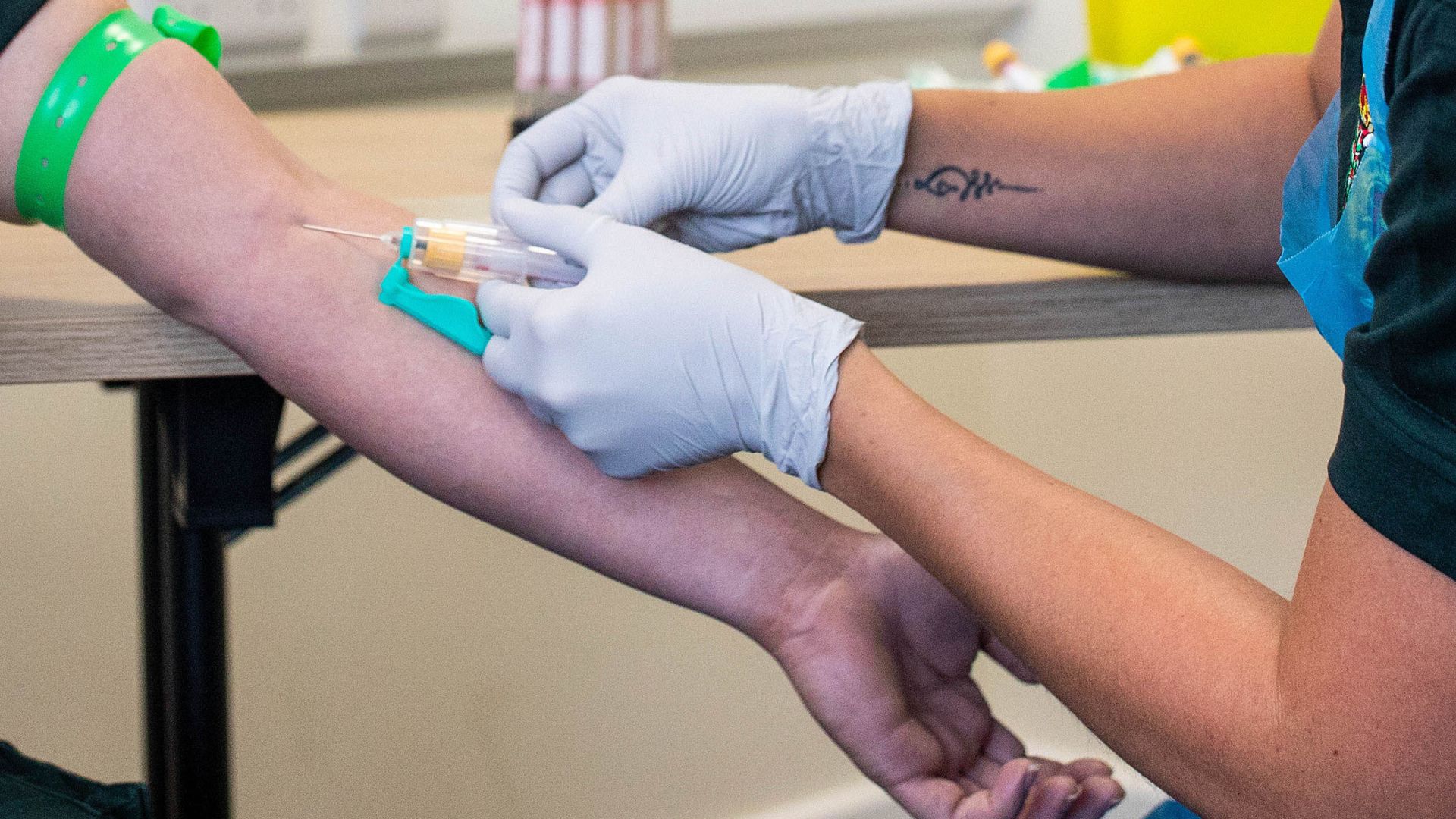
The clinical trials will assess the accuracy, reliability, and practicality of integrating these blood tests into routine NHS screenings. Early detection through such methods could enable clinicians to intervene sooner, improving treatment outcomes and survival rates.
Why Early Detection Matters
Cancer remains one of the leading causes of death worldwide, with survival rates strongly linked to how early the disease is identified. Many cancers exhibit few or no symptoms in their initial stages, often resulting in delayed diagnosis and reduced chances of effective treatment.
By detecting cancer earlier, patients can receive timely interventions that are less aggressive and more successful. This trial represents a significant step toward personalized medicine, where diagnostics are tailored to catch diseases before symptoms appear.
Moreover, early detection can reduce healthcare costs by limiting the need for extensive treatments and hospital stays associated with advanced cancer stages. It also alleviates the emotional and physical burden on patients and their families.
What This Means for NHS Patients and the Future of Cancer Care
If successful, these blood tests could become a routine part of NHS health checks, transforming cancer screening nationwide. Their implementation would offer a simple, accessible tool for early cancer detection, potentially increasing survival rates and improving quality of life for thousands.
Trials like this also pave the way for further research into liquid biopsies—non-invasive tests that monitor cancer progression and response to treatment. Integrating such technologies into everyday practice could mark a paradigm shift in oncology care.
For patients, this development signals hope for more proactive health management and less invasive diagnostic procedures. The NHS’s commitment to innovation underscores its dedication to improving patient outcomes through cutting-edge science.
While full results from the trials are pending, the initiative reflects a broader global effort to harness advances in biotechnology for earlier, more accurate cancer detection. Continued investment and research in this area could ultimately reduce the global cancer burden.
In summary, the NHS’s trial of new blood tests for early cancer detection represents a promising breakthrough in healthcare. By catching cancers sooner, these tests could save lives, improve treatment experiences, and set new standards for cancer care in the UK and beyond.