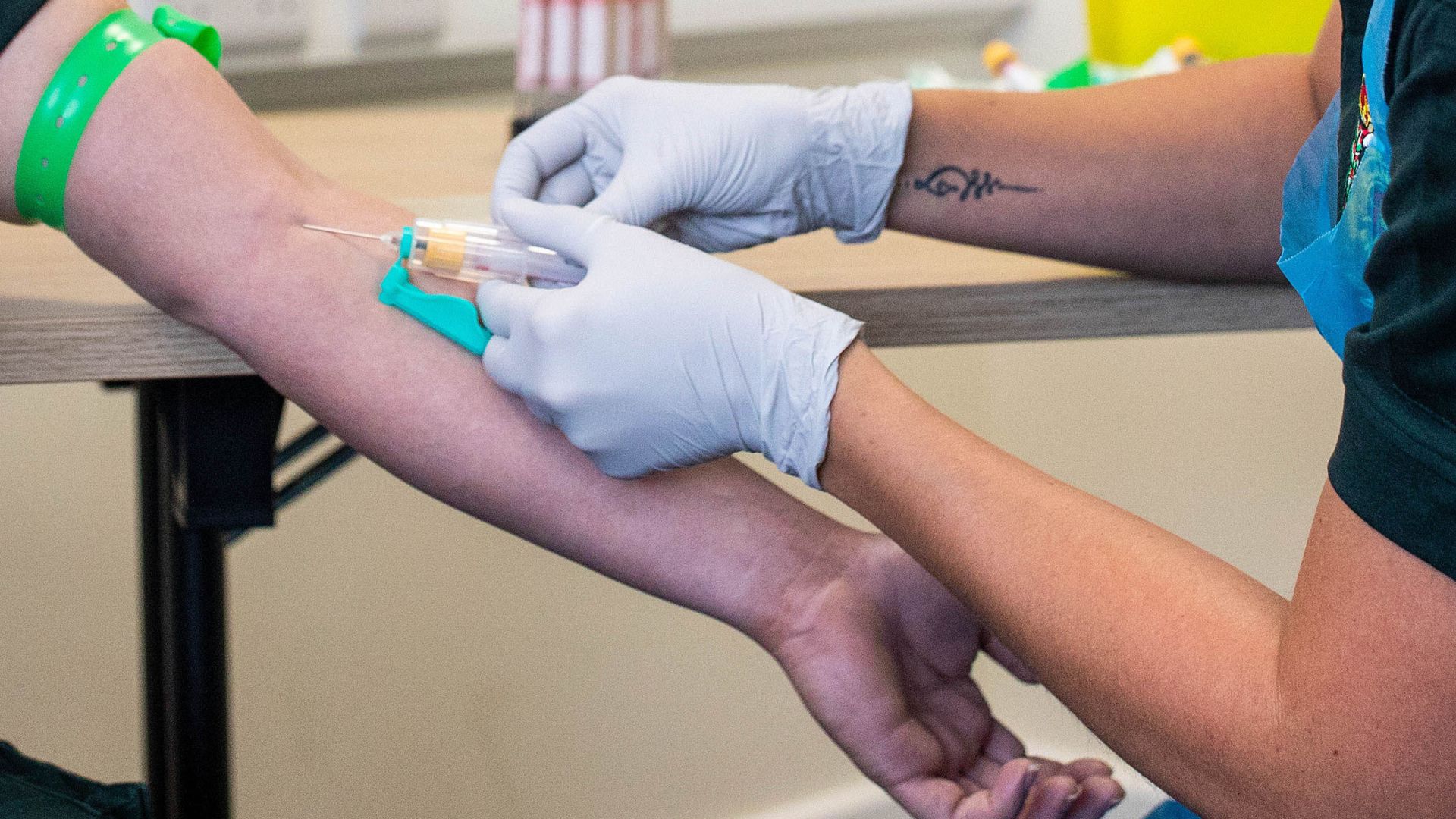
Residents living close to one of England’s most notorious illegal waste dumping grounds are now being offered comprehensive health checks. These screenings focus on critical conditions such as asthma and high blood pressure, addressing growing concerns about the impact of environmental pollution on local communities.
What Is Happening Near the Illegal Waste Site?
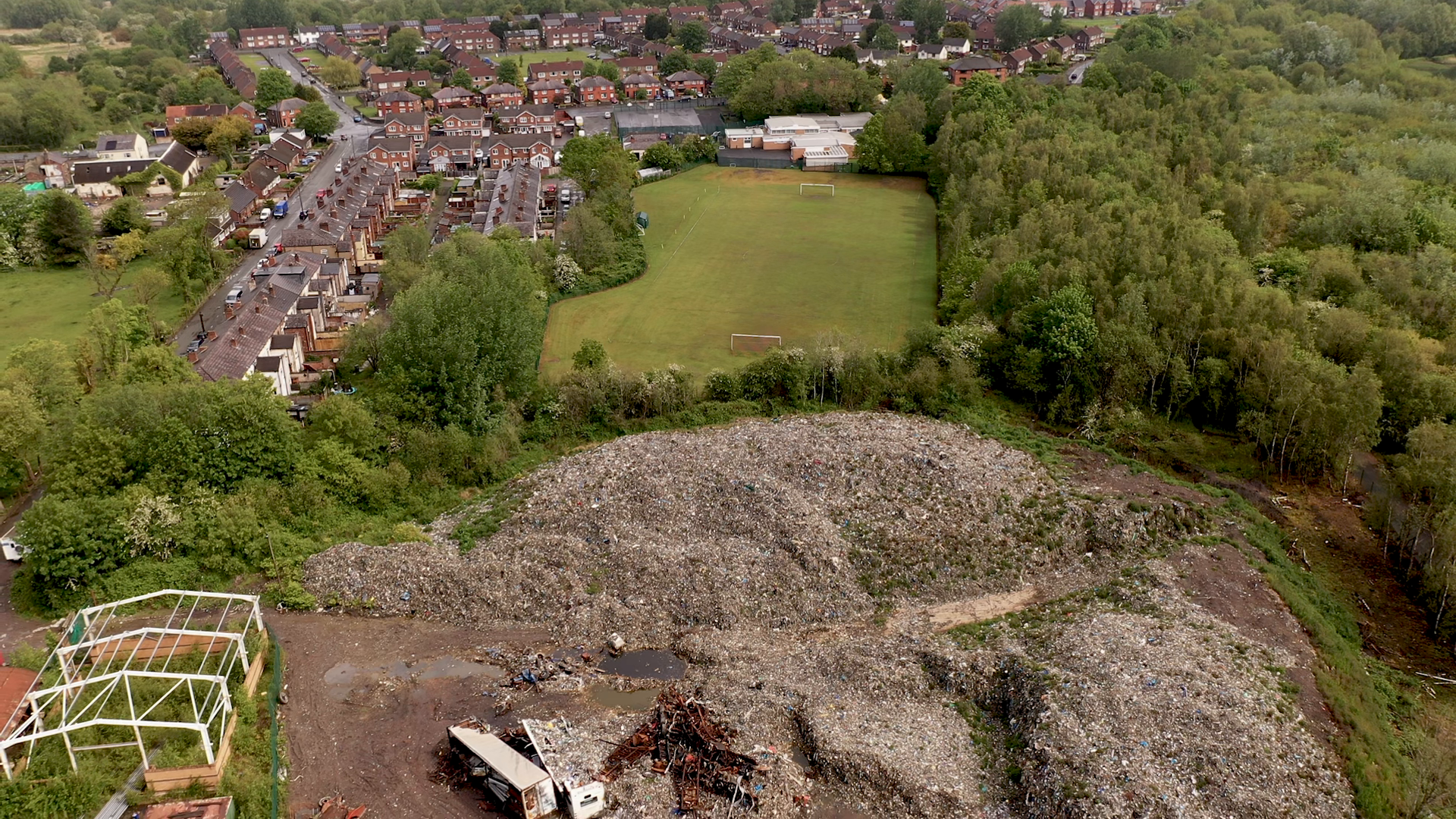
The illegal waste site, identified as one of England’s worst offenders, has long been a source of environmental and health worries. Waste illegally dumped or poorly managed in this area has raised alarms about air quality and potential toxins seeping into the soil and water. These environmental hazards can exacerbate respiratory conditions and cardiovascular problems among nearby residents.
In response, local health authorities have initiated targeted health assessments to monitor and mitigate these risks. The screenings are designed to detect signs of asthma, which can be triggered or worsened by polluted air, and to measure blood pressure, an important indicator of cardiovascular health that environmental stressors can influence.
Why These Health Checks Matter
Illegal waste sites pose multiple health threats. Toxic fumes, dust, and chemical runoff can increase the incidence of chronic illnesses, especially respiratory and heart diseases. Asthma, for instance, can be aggravated by pollutants commonly found near waste sites, including particulate matter and volatile organic compounds.
High blood pressure is another concern, as environmental pollution has been linked to increased stress and inflammation, factors that contribute to cardiovascular disease. By offering these health checks, authorities aim to identify early warning signs, provide timely medical intervention, and reduce long-term health complications for those most exposed.
Moreover, these screenings contribute to raising awareness about the invisible health consequences of living near illegal waste sites. They empower residents with knowledge about their health status and encourage proactive management of any detected conditions.
Who Is Affected and What Comes Next?
The affected population includes residents of neighborhoods surrounding the waste site, many of whom have expressed anxiety about the potential health impacts. Communities close to illegal dumping grounds often face social and economic challenges, which can compound the effects of environmental hazards.
Health officials are working closely with local councils and environmental agencies to ensure that these health checks are accessible and comprehensive. Follow-up care and referrals are part of the initiative, ensuring that individuals diagnosed with health issues receive appropriate treatment and support.
In addition to immediate medical attention, this initiative highlights the urgent need for stronger enforcement against illegal waste dumping and improved waste management practices. Reducing pollution at its source remains the most effective way to protect public health in these vulnerable areas.
Looking Ahead: The Broader Impact
Offering dedicated health checks near one of England’s worst illegal waste sites is a crucial step toward mitigating environmental health risks. It demonstrates a commitment to protecting vulnerable communities and underscores the interconnectedness of environmental policy and public health.
As awareness grows, this program may serve as a model for other regions grappling with similar issues. Comprehensive health monitoring combined with environmental cleanup efforts can foster healthier, safer living conditions.
Ensuring ongoing support for affected residents and strengthening environmental regulations will be essential to prevent future health crises linked to illegal waste. The success of these health checks could pave the way for more proactive measures, safeguarding communities across England from the hidden dangers of environmental neglect.