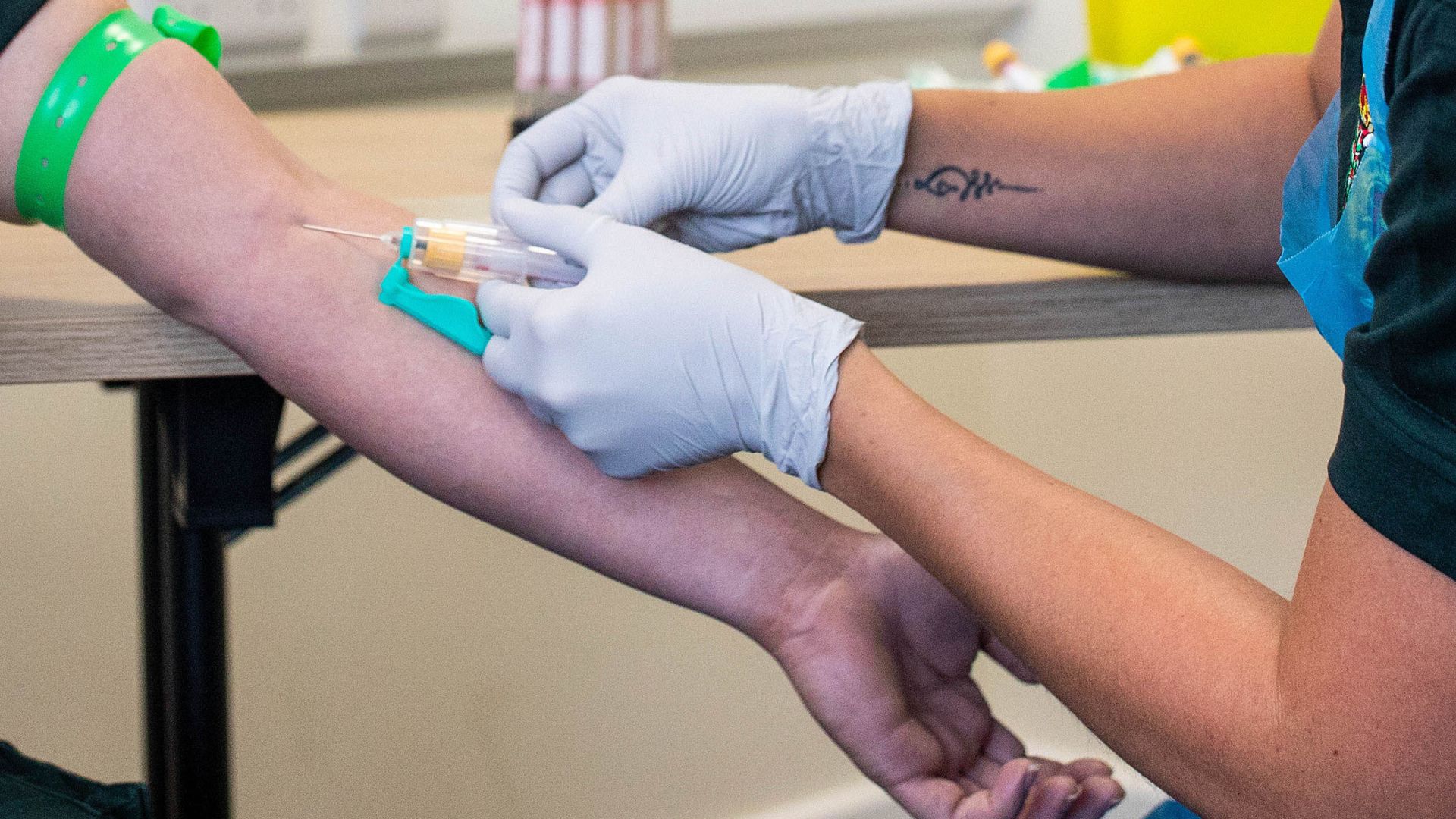
A British healthcare professional working in the Democratic Republic of Congo (DRC) has been confirmed positive for the Ebola virus and is set to be repatriated for specialized treatment in the United Kingdom. This case underscores ongoing risks faced by frontline workers combating deadly outbreaks abroad and raises critical questions about international response protocols and healthcare safety measures.
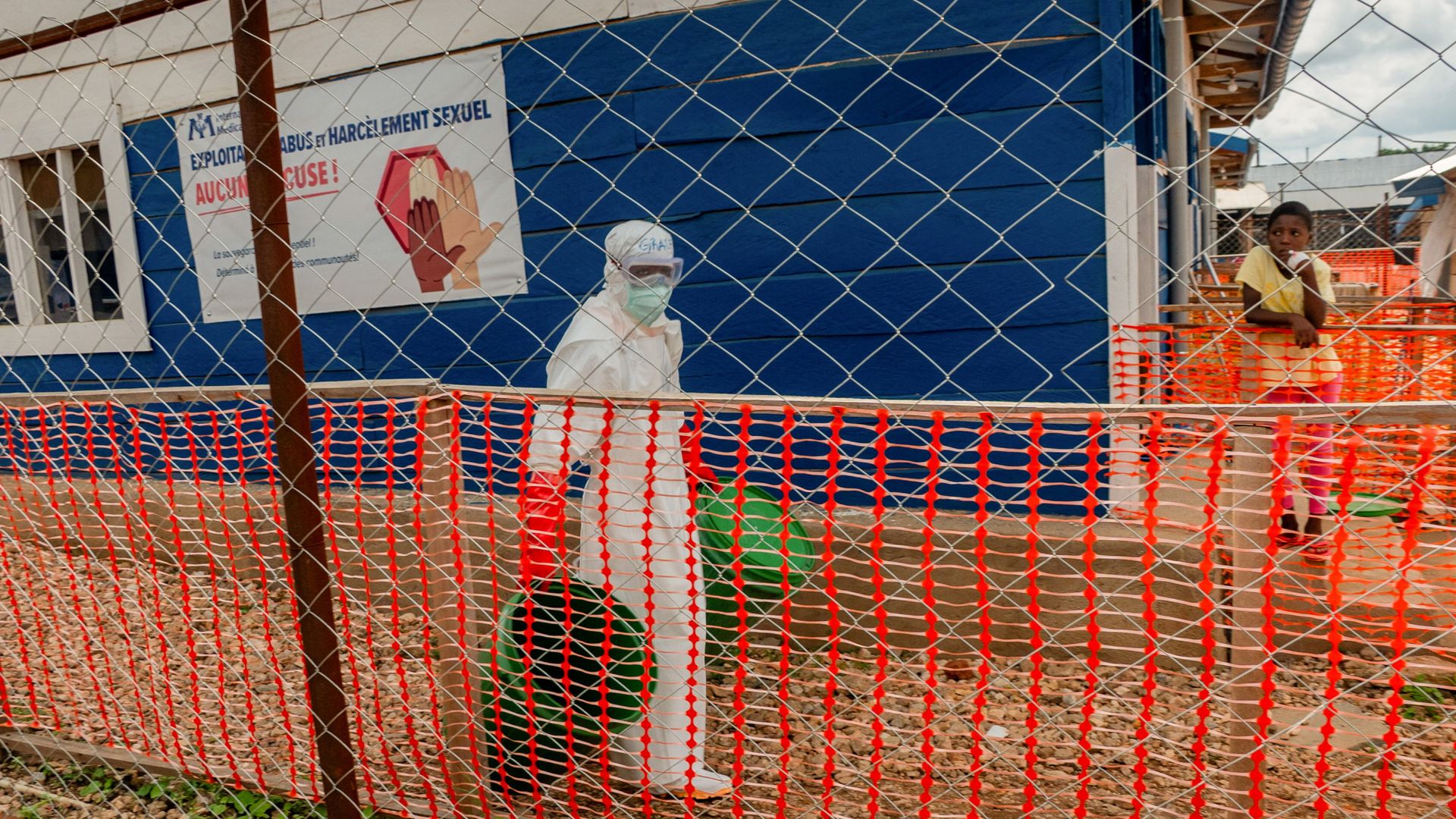
What Happened: Ebola Diagnosis in the Democratic Republic of Congo
The healthcare worker, who was actively involved in medical efforts within the DRC, contracted Ebola amid the region’s persistent outbreaks. The Democratic Republic of Congo has experienced multiple Ebola flare-ups over recent years, with significant international health organizations engaged in containment and treatment efforts. Despite stringent precautions, healthcare workers remain vulnerable to infection due to the virus’s highly contagious nature.
Upon testing positive, British health authorities coordinated with Congolese officials to arrange for the individual’s safe transfer back to the UK. This repatriation involves strict biosecurity measures to prevent any risk of transmission during travel. The healthcare worker will be admitted to a specialized isolation unit equipped to manage high-risk infectious diseases.
Why It Matters: The Risks and Response Challenges
Ebola virus disease (EVD) is a severe, often fatal illness characterized by fever, bleeding, and organ failure. It spreads through direct contact with bodily fluids of infected individuals or contaminated materials, making healthcare environments particularly high-risk. Protecting medical personnel is critical not only for their safety but also to maintain effective outbreak response capabilities.
The decision to treat the British healthcare worker in the UK reflects the country’s advanced medical infrastructure and expertise in managing such high-containment diseases. Specialized facilities, such as the Royal Free Hospital in London, have isolation units designed specifically for Ebola and similar viral hemorrhagic fevers. These units provide state-of-the-art supportive care and help prevent further spread.
Internationally, this case highlights the ongoing challenge of balancing frontline outbreak response with adequate protection protocols. Many healthcare workers in affected countries operate under difficult conditions, often with limited access to personal protective equipment (PPE) and resources. This incident may prompt renewed discussions on improving safety standards and logistical support for medical teams deployed in outbreak zones.
What Comes Next: Treatment and Broader Implications
Once admitted to the UK treatment center, the healthcare worker will receive intensive supportive care aimed at managing symptoms and preventing complications. Although there is no universally approved cure for Ebola, recent advances in therapeutics and vaccines have improved survival rates and outbreak control. The patient’s progress will be closely monitored by infectious disease specialists.
On a broader scale, this event could influence policies related to international health worker deployment and emergency evacuation protocols. Ensuring rapid diagnosis, secure transport, and effective treatment options are essential components of a global health security framework. It also underscores the importance of ongoing research and funding for Ebola and other emerging infectious diseases.
Moreover, the case serves as a stark reminder of the human cost faced by those combating epidemics in challenging environments. It calls attention to the need for continuous investment in healthcare infrastructure within affected regions, alongside global collaboration to prevent future outbreaks from escalating.
Looking Ahead: Lessons and Preparedness
The repatriation and treatment of the British healthcare worker with Ebola exemplify both the risks and resilience inherent in epidemic response efforts. It demonstrates the critical role of international cooperation in managing infectious diseases that know no borders. For the UK and the global health community, this case offers a valuable opportunity to review and strengthen protocols for protecting frontline workers and responding swiftly to emerging health threats.
As the world remains vigilant against Ebola and other high-consequence pathogens, ongoing commitment to research, preparedness, and healthcare worker safety will be paramount in preventing future tragedies and safeguarding public health worldwide.