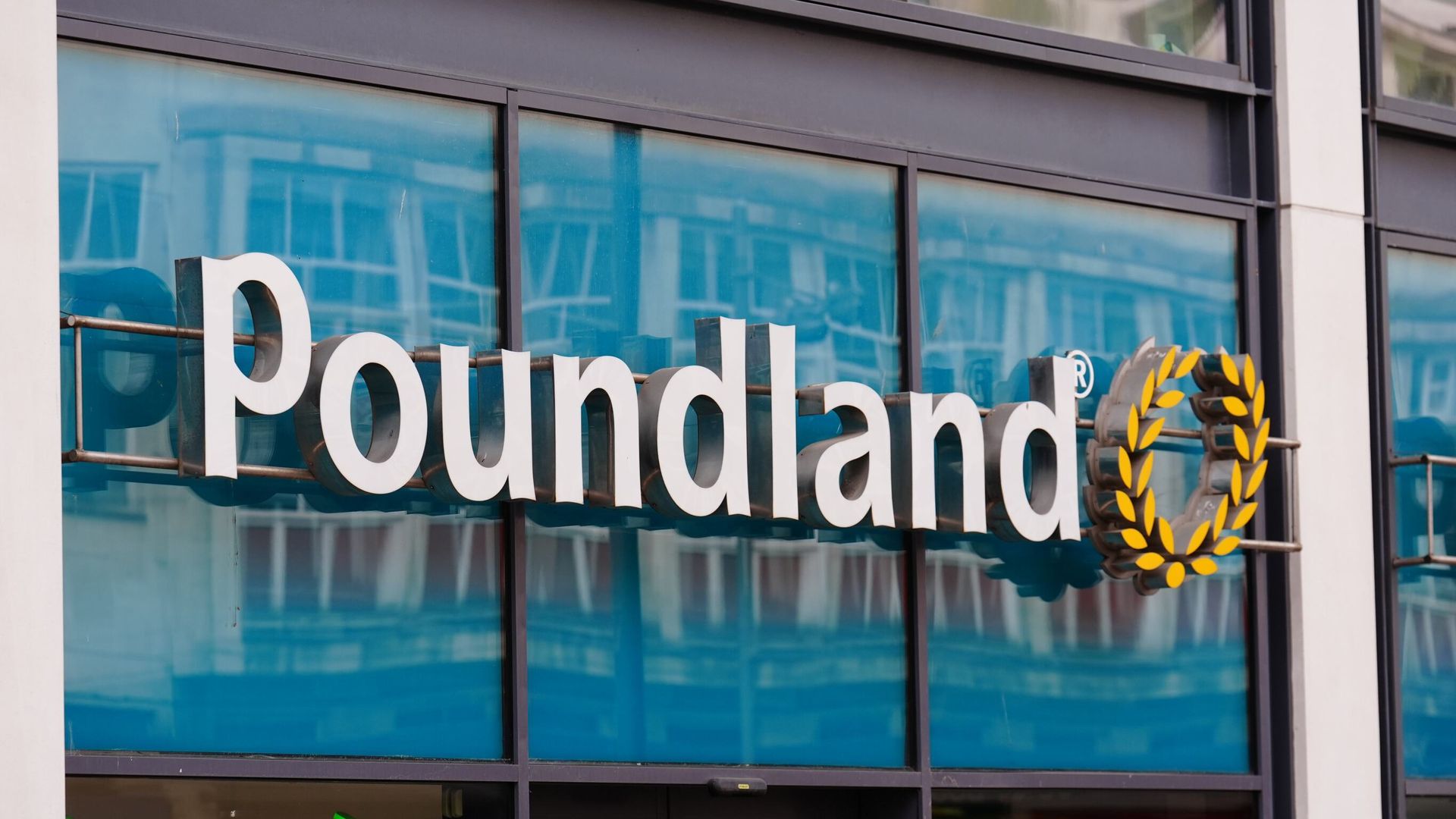
Poundland’s parent company is pushing for a confidential session with Members of Parliament next week, aiming to shield itself from what it describes as a potential “show trial” during public scrutiny of the discount retailer’s future. This move highlights rising tensions between the company and parliamentary committees overseeing retail sector challenges.
The Push for a Private Evidence Session
As public interest intensifies around the fate of Poundland, its owner is seeking to provide evidence behind closed doors rather than in an open parliamentary hearing. The company fears that a public session could devolve into a spectacle, potentially damaging its reputation and complicating ongoing business negotiations.
This approach is unusual, given that parliamentary committees typically hold sessions in public to ensure transparency and accountability, especially for businesses that impact the broader consumer market. The private evidence request underscores the sensitivity of Poundland’s current circumstances, which have drawn increased government attention amid economic uncertainty.
Why Poundland’s Fate Matters
Poundland operates in the discount retail sector, a critical segment of the UK economy that caters to millions of consumers, particularly during times of inflation and financial strain. The retailer’s performance often serves as a bellwether for household spending and economic health.
Concerns about Poundland’s future reflect wider challenges facing the retail landscape, including rising costs, supply chain disruptions, and shifting consumer behaviors. The company’s owner faces pressure not only from MPs but also from investors and customers anxious about potential store closures or reductions in service.
Government committees have increasingly scrutinized discount retailers to understand how these businesses are coping with inflationary pressures and what that means for jobs and communities relying on affordable goods.
What This Means for Transparency and Accountability
The request for a private evidence session raises important questions about transparency in parliamentary inquiries. Public hearings are designed to hold companies accountable and provide citizens with insight into issues affecting their daily lives.
Allowing a private session might protect Poundland from public embarrassment or strategic exposure but could also fuel criticism that it is avoiding full scrutiny. MPs must balance the need to protect sensitive commercial information with their duty to maintain openness and public trust.
This development also reflects the broader challenge of managing corporate-government relations amid economic volatility. As policymakers seek to support struggling sectors, companies may increasingly request private discussions to safeguard competitive and reputational interests.
Looking Ahead: What to Expect Next
If Poundland’s owner secures the private session, the hearing will proceed without media or public attendance, limiting public insight into the company’s plans and challenges. However, MPs will still be able to question executives and assess evidence behind closed doors.
Alternatively, if the request is denied, a public session could expose Poundland to heightened scrutiny, potentially influencing market confidence and consumer perceptions. Either outcome will shape how discount retailers engage with government oversight in the future.
Ultimately, this situation underscores the delicate balance between corporate confidentiality and the public’s right to transparency, especially for businesses central to everyday life.
In conclusion, Poundland’s bid for a private parliamentary hearing reveals the high stakes surrounding the discount retail sector’s stability. The outcome of this request will not only impact Poundland’s trajectory but also signal how UK policymakers navigate transparency and corporate accountability amid economic challenges.