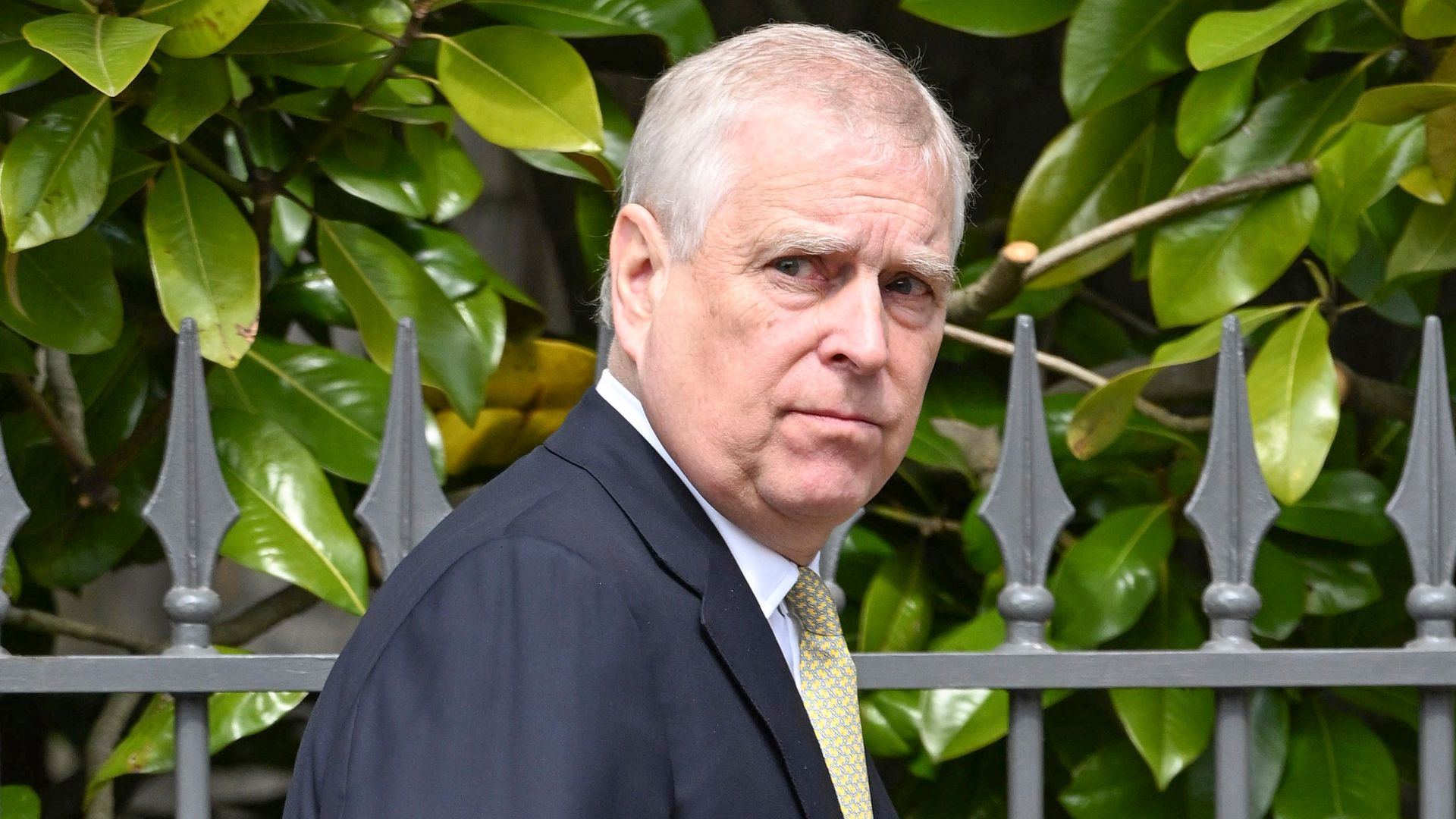
Andrew Mountbatten-Windsor, formerly a resident of the prestigious Royal Lodge estate, reportedly earned more than £2,000 per month by renting out three cottages on the property. This revelation comes from a detailed investigation conducted by the public spending watchdog, shedding light on the financial activities linked to the royal estate.
Background: The Royal Lodge and Its Cottages
The Royal Lodge is a notable residence within Windsor Great Park, traditionally associated with members of the British royal family. It has served as a private home and retreat for royals, including Prince Andrew during his tenure there. The estate encompasses several outbuildings and cottages, which have occasionally been leased for additional income or staff accommodation.
According to the watchdog’s report, Andrew utilized three cottages on the Royal Lodge grounds by subletting them. This practice generated a steady monthly income exceeding £2,000, highlighting a financial arrangement that had not been widely publicized until now.
Details of the Rental Arrangement
The public spending watchdog’s investigation focused on how properties associated with the royal family are managed and whether there is transparency in their financial dealings. In this case, the cottages at Royal Lodge were rented out under Andrew’s control, providing a significant supplementary income stream.
While the exact terms of the leases or the identities of the tenants have not been disclosed, the report underscores the substantial revenue generated by these rentals. This arrangement raises questions about the use of royal properties for private gain and the oversight mechanisms in place to monitor such activities.
Royal estates are often maintained with public funds or under the Crown Estate’s management, prompting scrutiny over how much personal profit family members can derive from these assets. The watchdog’s findings suggest a need for clearer policies governing the leasing of royal properties.
Why This Matters: Transparency and Public Trust
The revelation that Andrew Mountbatten-Windsor earned over £2,000 monthly from subletting Royal Lodge cottages is significant against the backdrop of ongoing public debate about royal finances. Taxpayers and the public at large demand greater transparency concerning how royal properties are used and how income from these assets is reported and distributed.
Ensuring accountability in the management of royal estates is crucial not only for preserving public trust but also for maintaining the integrity of institutions funded or supported by public money. The watchdog’s report contributes to a broader conversation about financial propriety within the monarchy, especially as scrutiny intensifies on all aspects of royal expenditures and income streams.
This case serves as a reminder that even traditionally private arrangements involving royal properties have implications for governance and ethical standards. Clear guidelines and oversight are essential to prevent conflicts of interest and to ensure that any income generated aligns with public expectations.
Looking Ahead: What Comes Next?
As this information becomes public, it is likely that further investigations or reviews into the management of royal properties will follow. Stakeholders may call for enhanced transparency and possibly reforms to how leases and sublets are handled within royal estates.
For Andrew Mountbatten-Windsor, this report places a spotlight on his financial dealings connected to Royal Lodge, potentially influencing how such arrangements are viewed by both the royal family and the public.
More broadly, the findings may prompt a reassessment of policies governing royal estates to ensure that income generation does not compromise ethical standards or public confidence.
Takeaway: The Importance of Accountability in Royal Finances
The discovery that Andrew Mountbatten-Windsor earned a substantial monthly income from subletting cottages at Royal Lodge highlights the complex intersection of private benefit and public interest within the British monarchy. It underscores the urgent need for transparent financial practices and robust oversight mechanisms governing royal properties.
As the public demands greater clarity on how royal assets are managed, this case will likely fuel ongoing discussions about reform and accountability in the stewardship of royal estates. Ensuring these properties serve the public good while respecting the private rights of royals remains a delicate but essential balance.