Prince Harry is mounting an appeal following a judge’s decision to dismiss his privacy lawsuit against the publisher of the Daily Mail. Alongside other high-profile figures, the Prince challenges the ruling, underscoring ongoing tensions between public figures and media outlets over privacy rights.
The Privacy Lawsuit and the Court’s Ruling
Prince Harry initiated legal action against Associated Newspapers Ltd, the publisher behind the Daily Mail, accusing the outlet of infringing on his privacy. The lawsuit was part of a broader effort by the Duke of Sussex to safeguard personal privacy and challenge what he perceives as intrusive media practices.
Despite the strong public interest in members of the British royal family, the court ultimately dismissed the case. The judge ruled that the claims did not meet the legal threshold for privacy violation, a decision that has sparked significant debate.
The dismissal means that, for now, the Daily Mail publisher is not held legally responsible for the alleged breaches. However, this is not the end of the road for Prince Harry and the others involved, as they have formally announced their intention to appeal the verdict.
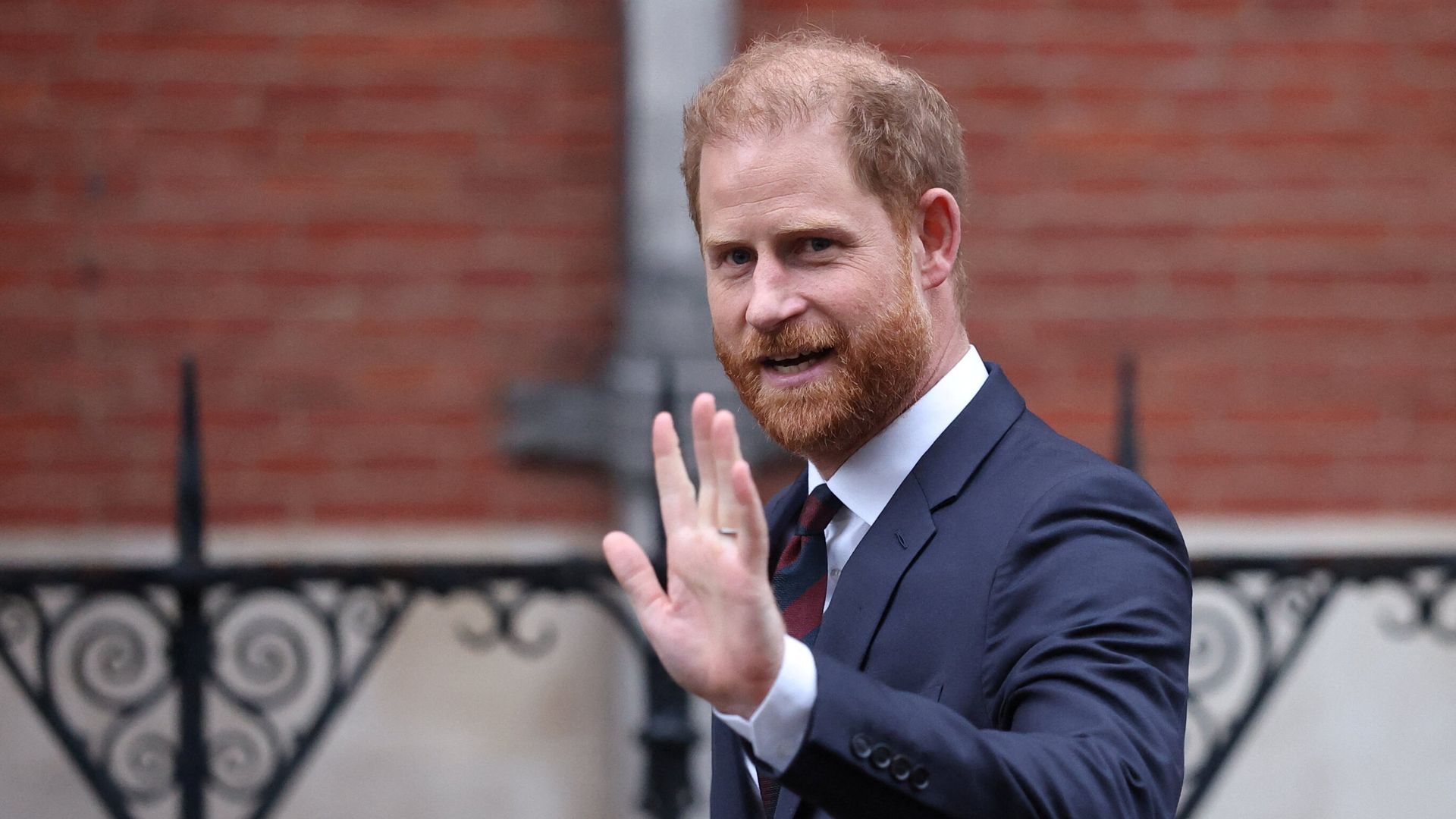
Why Prince Harry’s Privacy Battle Matters
This lawsuit is part of a larger conversation about the balance between freedom of the press and the right to privacy, especially for public figures. Prince Harry’s efforts highlight the challenges royals face living under intense media scrutiny, where boundaries between public interest and private life often blur.
The dismissal raises questions about the effectiveness of current privacy laws in protecting individuals from media intrusion. Legal experts and privacy advocates are closely watching the appeal, as its outcome could influence future cases involving journalists and celebrities.
Beyond the legal implications, the case reflects the ongoing struggle between traditional tabloid journalism and modern demands for ethical reporting. Prince Harry, who has openly criticized parts of the British press for past abuses, views this legal action as a necessary stand against what he describes as relentless and damaging media coverage.
What Comes Next: The Appeal Process
The appeal will revisit the judge’s decision, potentially allowing new arguments and evidence to be presented. Appeals courts typically examine whether the original ruling correctly applied the law, rather than re-assessing factual findings.
The process could take months or longer, with no guarantee it will overturn the initial dismissal. However, the very act of appealing keeps the conversation alive and maintains pressure on media organizations regarding privacy standards.
Other prominent figures who joined Prince Harry in the lawsuit are also committed to pursuing their appeals. This collective action sends a clear message about the importance of privacy rights in an age dominated by invasive media practices.
Looking Ahead: The Broader Impact on Media and Privacy
Prince Harry’s privacy lawsuit and the subsequent appeal have broader implications beyond the royal family. They underscore the evolving legal landscape surrounding privacy rights in the UK, particularly in relation to tabloids known for aggressive reporting.
As public figures increasingly challenge media overreach, the courts are positioned to redefine the boundaries of lawful journalism. The outcome of this case could set precedents affecting how newspapers approach stories about high-profile individuals and what protections those individuals can expect.
For readers and media consumers, this legal battle highlights the delicate interplay between public curiosity and personal boundaries. It encourages reflection on how society values privacy and the ethical responsibilities of the press.
In summary, Prince Harry’s decision to appeal the dismissal of his privacy lawsuit signals a continuing fight to assert control over personal information in a media-saturated world. The case serves as a pivotal moment in the struggle for privacy rights, with potential ripple effects across the media industry and legal system.