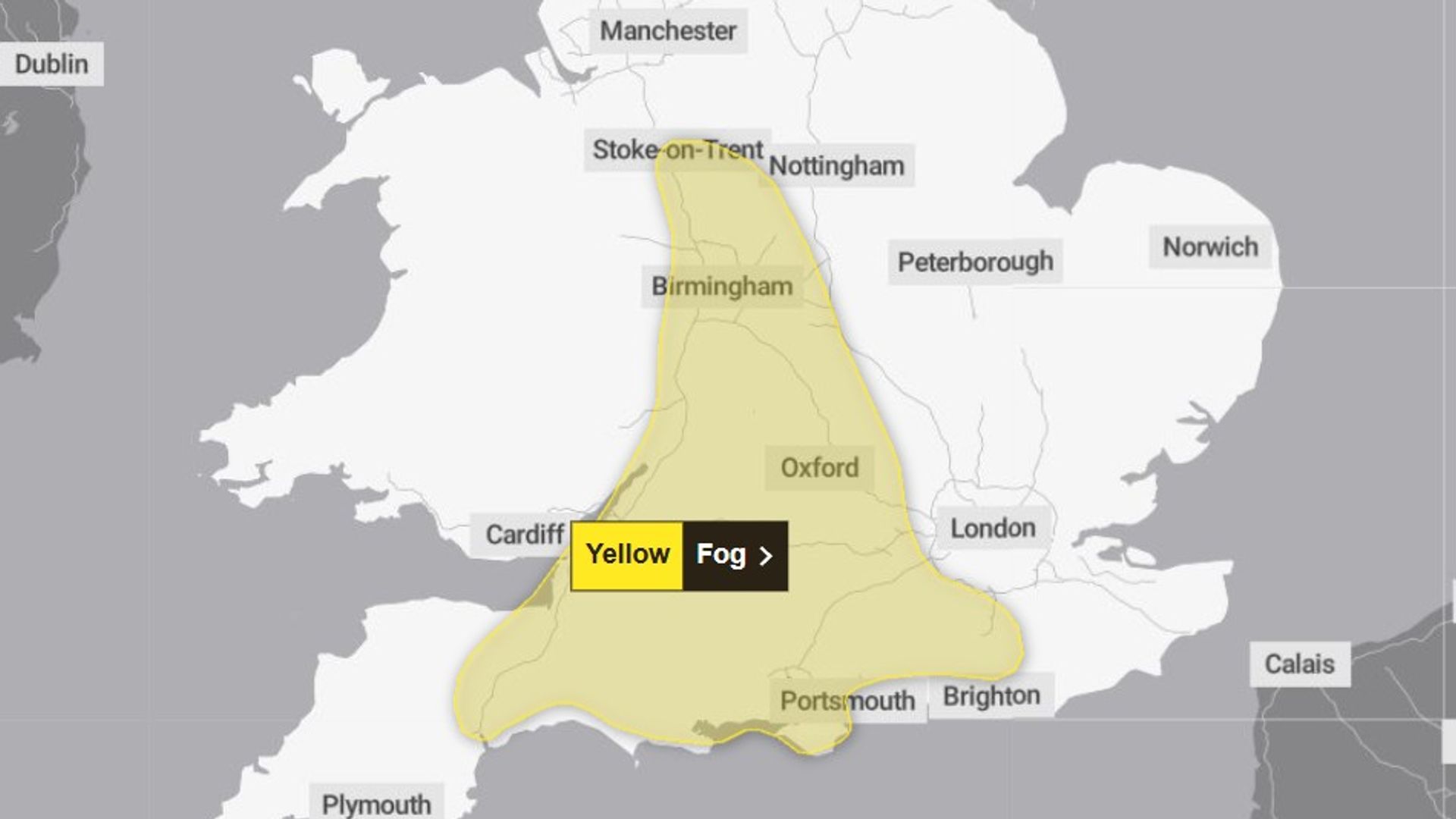
The Met Office has issued a fog warning that threatens to cause significant travel disruptions throughout large parts of England from midnight Saturday through to late Sunday morning. With visibility expected to drop sharply, travelers and commuters are advised to prepare for challenging conditions that could affect road, rail, and air transport.
What the Fog Warning Entails
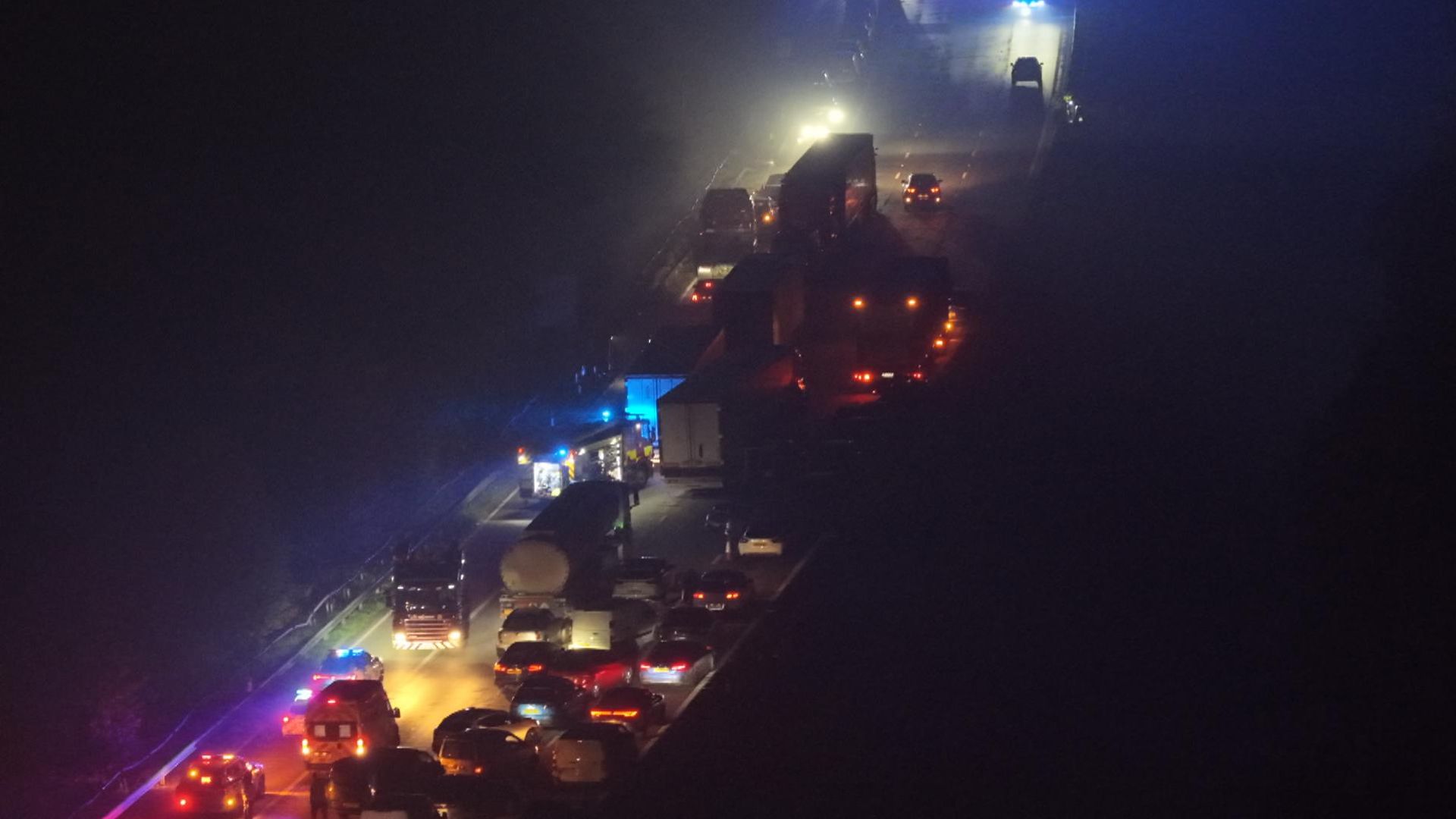
The thick fog forecasted is set to blanket many regions of England during the early hours of Sunday. The Met Office’s warning highlights the potential for dense fog that could reduce visibility to dangerously low levels, especially on rural roads and motorways.
The fog is expected to form overnight, persisting well into the morning hours, which coincides with peak travel times for early commuters and those traveling for weekend plans. This combination raises the likelihood of delays and increased accident risk.
Fog forms when moisture in the air condenses into tiny water droplets suspended near the ground, creating a thick, opaque layer that severely limits visibility. Such conditions are particularly hazardous because drivers may not see obstacles or other vehicles until it is too late to react safely.
Potential Impact on Travel and Safety Precautions
Fog-related travel disruption often affects multiple modes of transport. On roads, drivers face the risk of reduced visibility, slick surfaces due to moisture, and slower traffic flow, all of which can contribute to accidents and delays.
Rail services may also experience interruptions, as train operators reduce speeds to ensure safety when visibility is compromised. Airports could face delays or cancellations if pilots are unable to safely land or take off in low-visibility conditions.
Local authorities and transport agencies typically implement measures such as increased signage, speed restrictions, and public advisories during fog events. However, individual preparedness remains crucial.
Travelers are urged to check live traffic updates and weather forecasts before setting out. If driving, maintaining a safe distance from other vehicles, using fog lights appropriately, and reducing speed can help mitigate risks. For those using public transport, allowing extra time and staying informed about service changes is essential.
Why This Fog Warning Matters
Fog is a recurring hazard in England, especially during the transitional seasons when temperature fluctuations encourage moisture condensation. Despite being common, dense fog continues to pose serious safety challenges and disrupt daily life.
The warning from the Met Office serves as a vital alert that allows people to anticipate difficulties and adjust plans accordingly. Ignoring such warnings can lead to accidents, traffic jams, and missed connections, impacting productivity and safety.
Moreover, the fog warning underscores the broader importance of weather preparedness in an era where climate variability can cause unexpected shifts in conditions. Timely alerts from meteorological services play a crucial role in safeguarding communities and infrastructure.
Looking Ahead: What Travelers Should Do
As England braces for this fog event, proactive steps can make all the difference. Monitoring updates from the Met Office and local transport authorities will provide the latest information on fog intensity and travel conditions.
Planning extra time for journeys, considering alternative routes less prone to fog accumulation, or postponing non-essential travel can reduce exposure to hazardous conditions. For those caught on the road during fog, staying calm and focused is paramount.
Ultimately, the fog warning is a reminder of the unpredictable nature of weather and its direct impact on daily activities. By staying informed and exercising caution, travelers can navigate these challenges safely.
Full details and updates on the fog warning will be provided as the situation evolves.