The United Kingdom has significantly enhanced its space surveillance capabilities by launching a cutting-edge military satellite into orbit, marking a major advancement in national defense. The Ministry of Defence (MoD) described this addition as a “new pair of eyes” in space, underscoring the satellite’s critical role in improving the UK’s strategic awareness and security.
What Happened: Launching the UK’s New Military Satellite
The recent deployment of the UK’s military satellite represents a pivotal milestone in the nation’s space and defense programs. This satellite is designed to monitor and collect vital intelligence from orbit, providing real-time data that supports military operations and national security initiatives.
Launched successfully into orbit, the satellite’s advanced sensors and imaging technology will allow the UK to observe a broader range of activities in space and on Earth. This capability is crucial for detecting potential threats, tracking adversarial movements, and ensuring the safety of both civilian and military assets.
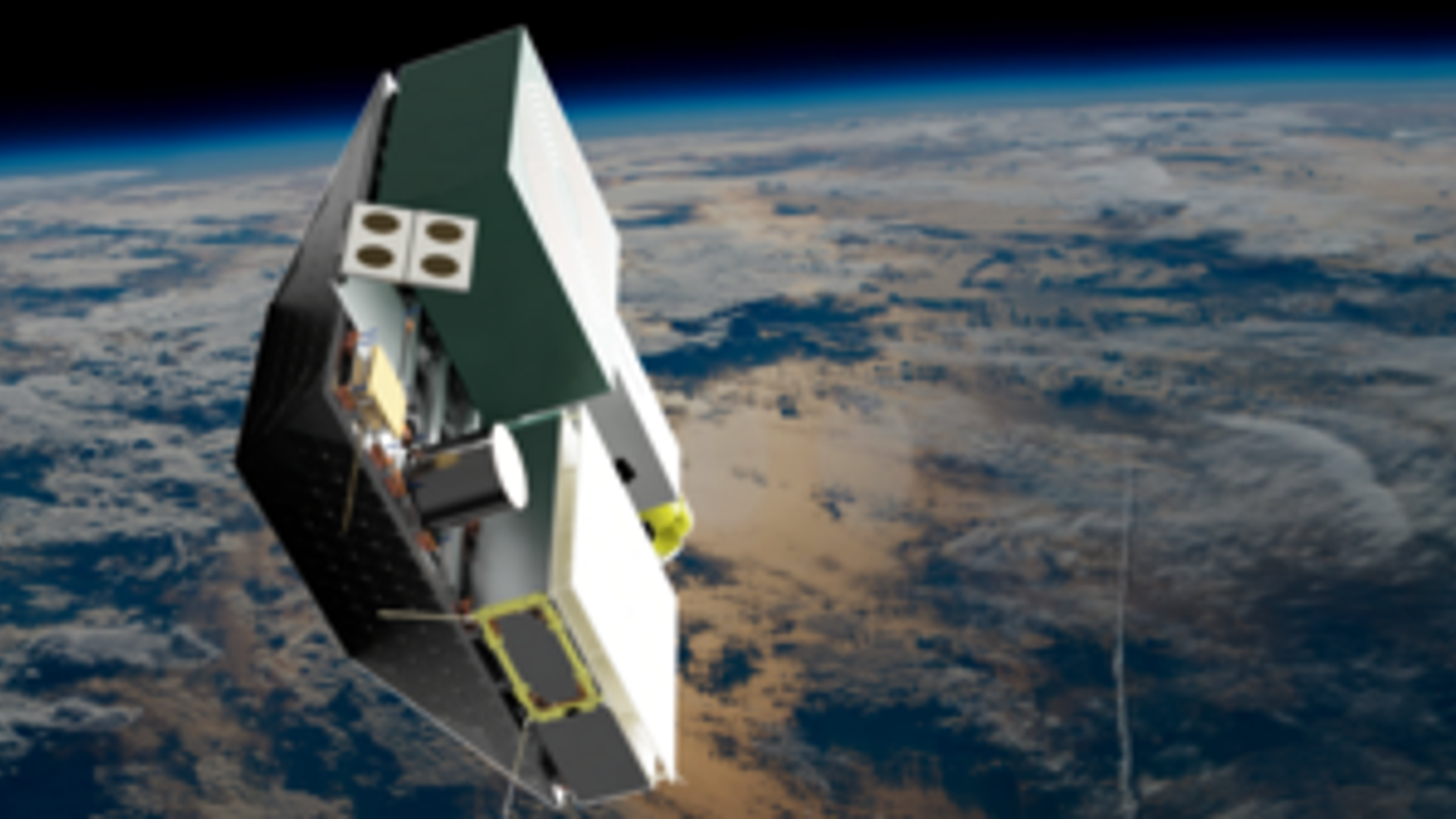
The launch reflects the UK government’s commitment to investing in space as a strategic domain. With rising global tensions and increasing competition in space technology, having an autonomous surveillance satellite strengthens the country’s ability to protect its interests beyond terrestrial borders.
Why It Matters: Enhancing National Security and Global Defense Posture
The introduction of this satellite marks a significant leap forward for the UK’s defense infrastructure. Space has become an essential frontier for modern warfare and intelligence gathering, and maintaining a strong presence there is vital for national security.
By having a dedicated military satellite, the UK can now independently gather intelligence without relying solely on allied nations or commercial satellites. This autonomy enhances operational security and ensures that sensitive information remains under national control.
Moreover, the satellite’s capabilities contribute to the UK’s broader defense strategy, including early warning systems and the monitoring of potential missile launches or hostile activities. It also supports the protection of critical infrastructure, such as communication networks and navigation systems, which depend heavily on space-based assets.
What Comes Next: The Future of UK Space Defense
This satellite launch is part of a larger UK effort to expand its military presence in space. The Ministry of Defence has outlined plans to develop more sophisticated space technologies and establish dedicated space command units to manage these assets effectively.
As space becomes increasingly contested and congested, the UK aims to maintain a strategic advantage by investing in surveillance, communication, and defense satellites. These advancements will help the UK respond faster to emerging threats and collaborate more effectively with international partners in space security.
The UK’s new satellite also paves the way for future innovation in space-based intelligence. Enhanced data collection and analysis capabilities could lead to improved decision-making in defense operations and crisis management, reinforcing the country’s readiness in an evolving geopolitical landscape.
Why This Development Matters to You
For citizens and policymakers alike, the launch of the UK’s military satellite represents more than just a technological achievement—it signals a proactive approach to safeguarding national interests in an era where space is a critical battlefield.
By establishing a “new pair of eyes” in orbit, the UK strengthens its defense posture and contributes to global efforts to maintain peace and stability in space. This development ensures that the UK remains at the forefront of military innovation, capable of addressing current and future security challenges head-on.
As space technology continues to evolve, the UK’s investment in military satellites will likely inspire further advancements and international collaboration, shaping the future of defense and security for generations to come.