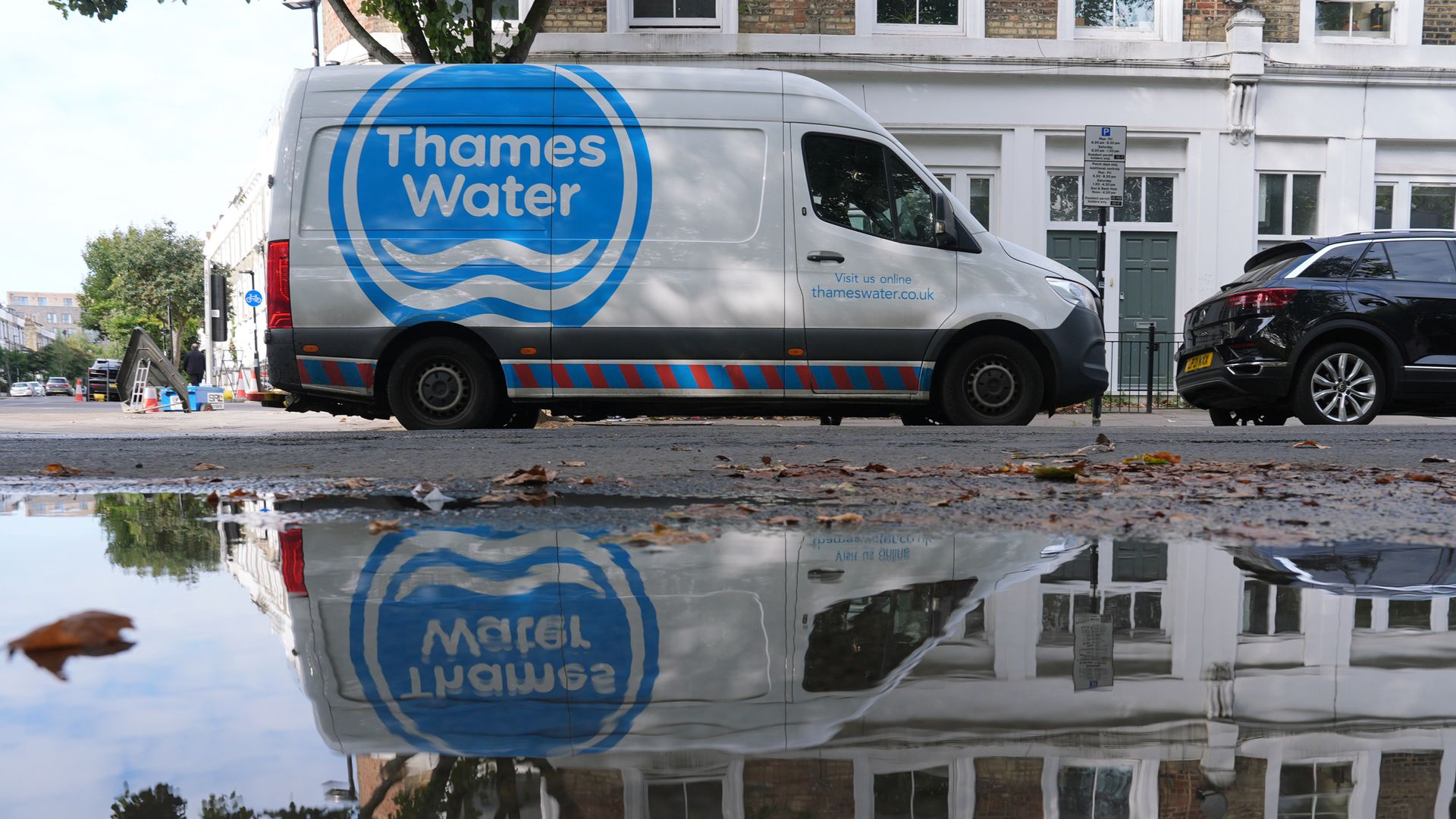
Thames Water, the United Kingdom’s largest water utility provider, has successfully negotiated a crucial funding agreement that ensures its continued operation until autumn of next year. This move comes as the company approaches a critical financial deadline set for November, preventing an immediate crisis in water services for millions of customers.
What Led to Thames Water’s Funding Deal?
Thames Water serves over 15 million people in London and the surrounding areas, managing a vast network of pipes, treatment plants, and reservoirs. Despite its essential role, the company has faced significant financial pressures due to rising operational costs, regulatory challenges, and the need to invest heavily in infrastructure upgrades.
Earlier in 2023, concerns escalated about the company’s financial stability, raising alarms among regulators, investors, and government officials. The looming November deadline marked the point by which Thames Water needed to secure additional funding or risk severe operational disruptions.
After intense negotiations with creditors and stakeholders, Thames Water agreed to a funding package that provides it with the capital necessary to maintain services and continue infrastructure investments until at least autumn 2024. The specifics of the deal include a combination of loans and equity injections designed to shore up the company’s balance sheet and support its long-term sustainability.
Why This Funding Deal Matters
Water supply is a critical public utility, and any interruption could have far-reaching consequences for public health, economic activity, and environmental management. Thames Water’s ability to secure funding directly impacts the daily lives of millions who rely on clean, reliable water.
The agreement provides not just a financial lifeline but also time for Thames Water to implement strategic reforms aimed at improving efficiency and reducing environmental impacts. The company has committed to accelerating its plans to replace aging pipelines, reduce leakage rates, and enhance wastewater treatment standards.
Moreover, this deal sets a precedent for how large utilities can navigate financial distress without compromising service quality. It underscores the importance of cooperation between private companies, regulators, and government bodies in safeguarding essential infrastructure.
Looking Ahead: What This Means for Consumers and the Sector
With this funding secured, Thames Water can focus on delivering reliable water services without the immediate threat of financial collapse. Customers can expect continued investment in infrastructure improvements that will enhance water quality and reduce service interruptions.
However, the deal is a temporary solution that highlights the broader challenges facing the UK’s water sector. Climate change, population growth, and aging infrastructure all place increasing demands on water companies, requiring sustained investment and innovative approaches.
Regulators will likely monitor Thames Water closely to ensure the company meets its commitments and remains financially viable beyond the current funding window. The situation also prompts discussions about the long-term funding models for essential utilities and the role of government support in ensuring their resilience.
In summary, Thames Water’s newly secured funding agreement averts an immediate crisis and paves the way for continued service delivery to millions across the UK. This development offers a critical reprieve, enabling the company to focus on vital infrastructure upgrades and operational reforms. Yet, it also serves as a reminder of the ongoing financial and environmental challenges facing the water industry, emphasizing the need for robust strategies to ensure sustainable, high-quality water services well into the future.