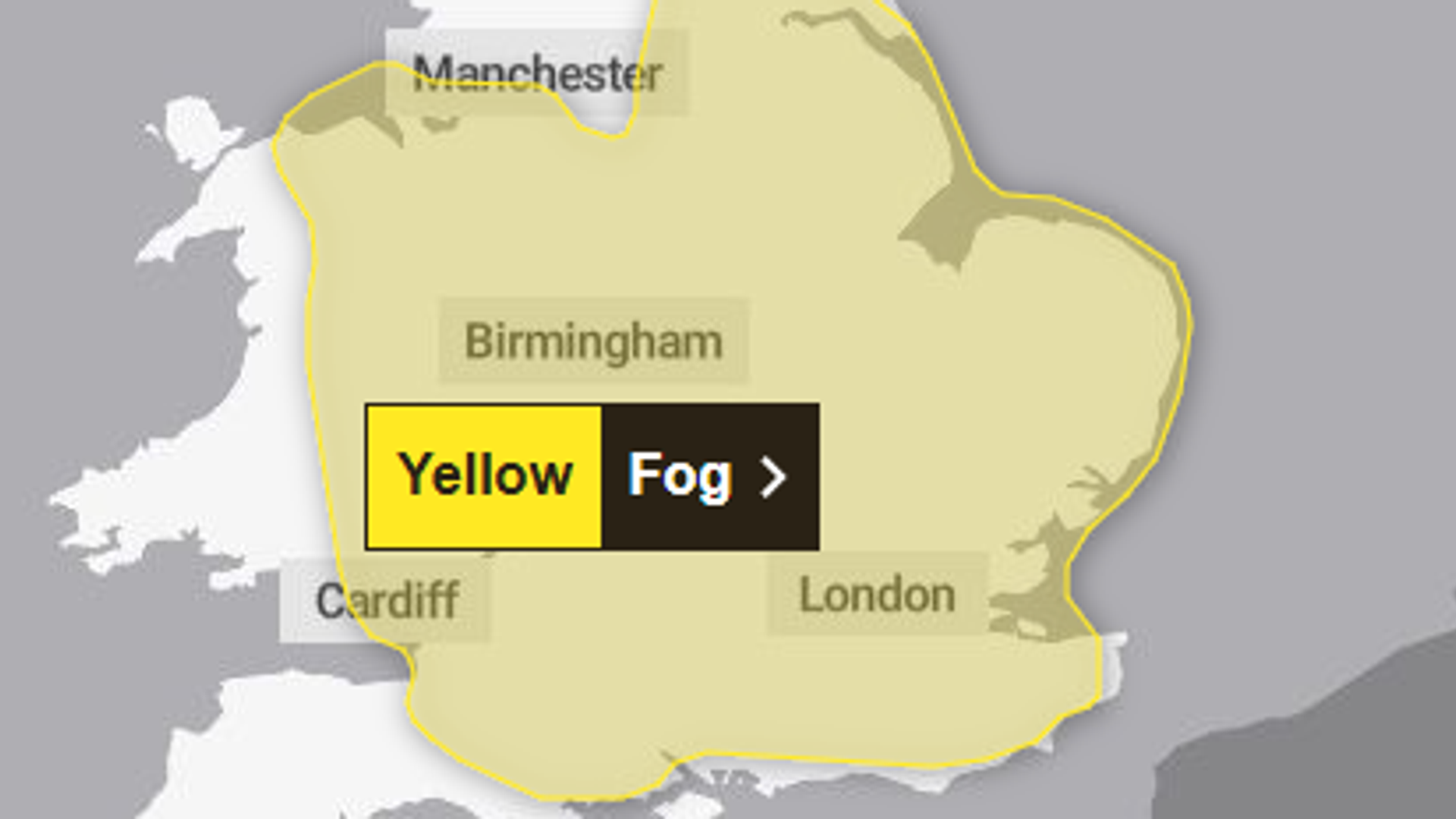
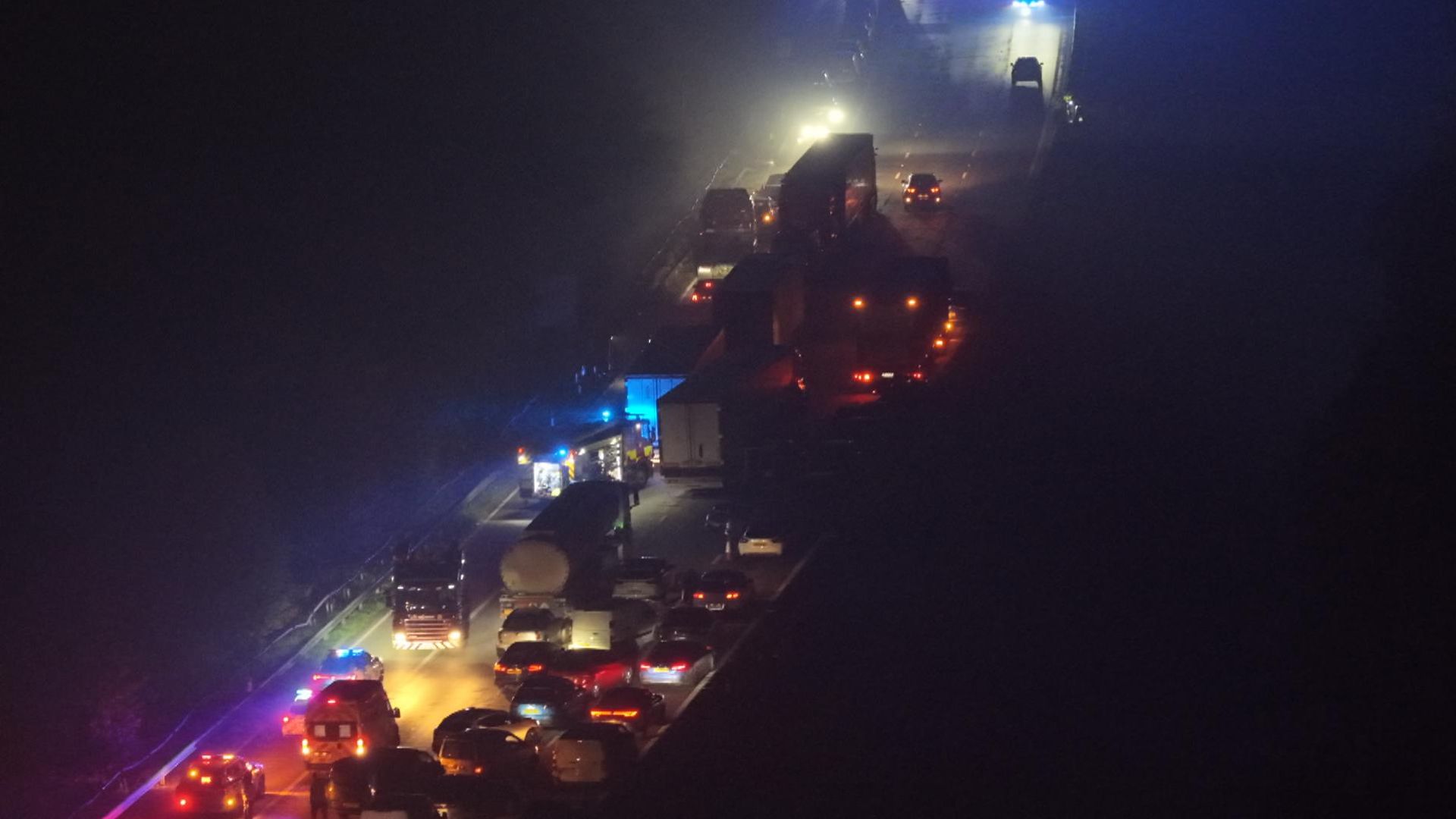
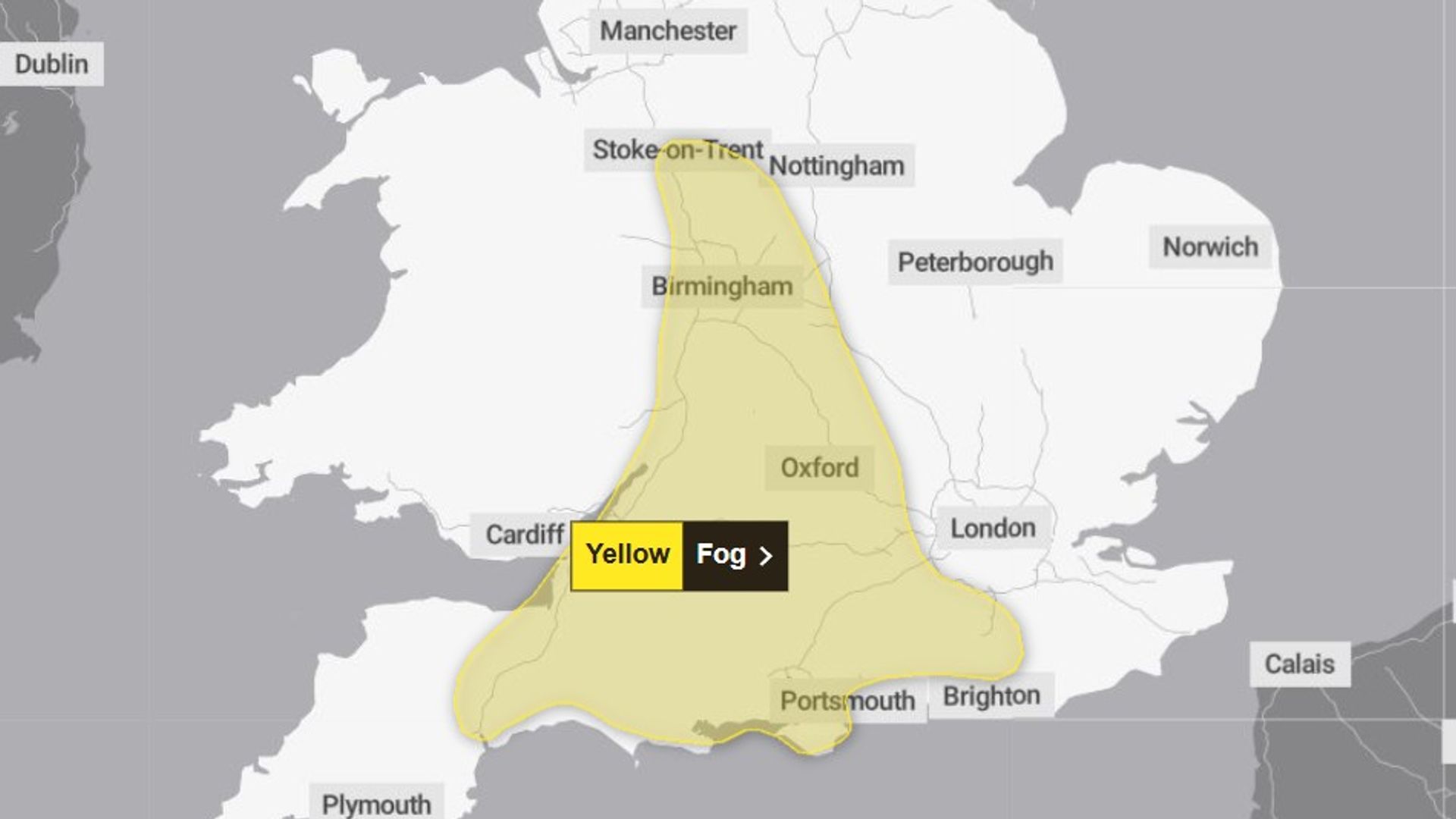
The Met Office has issued a fresh warning for dense fog, signaling a continuation of challenging travel conditions for many across the region. This alert marks the second consecutive day of fog advisories, highlighting the ongoing impact on visibility and road safety.
What the Fog Warning Means for Travelers
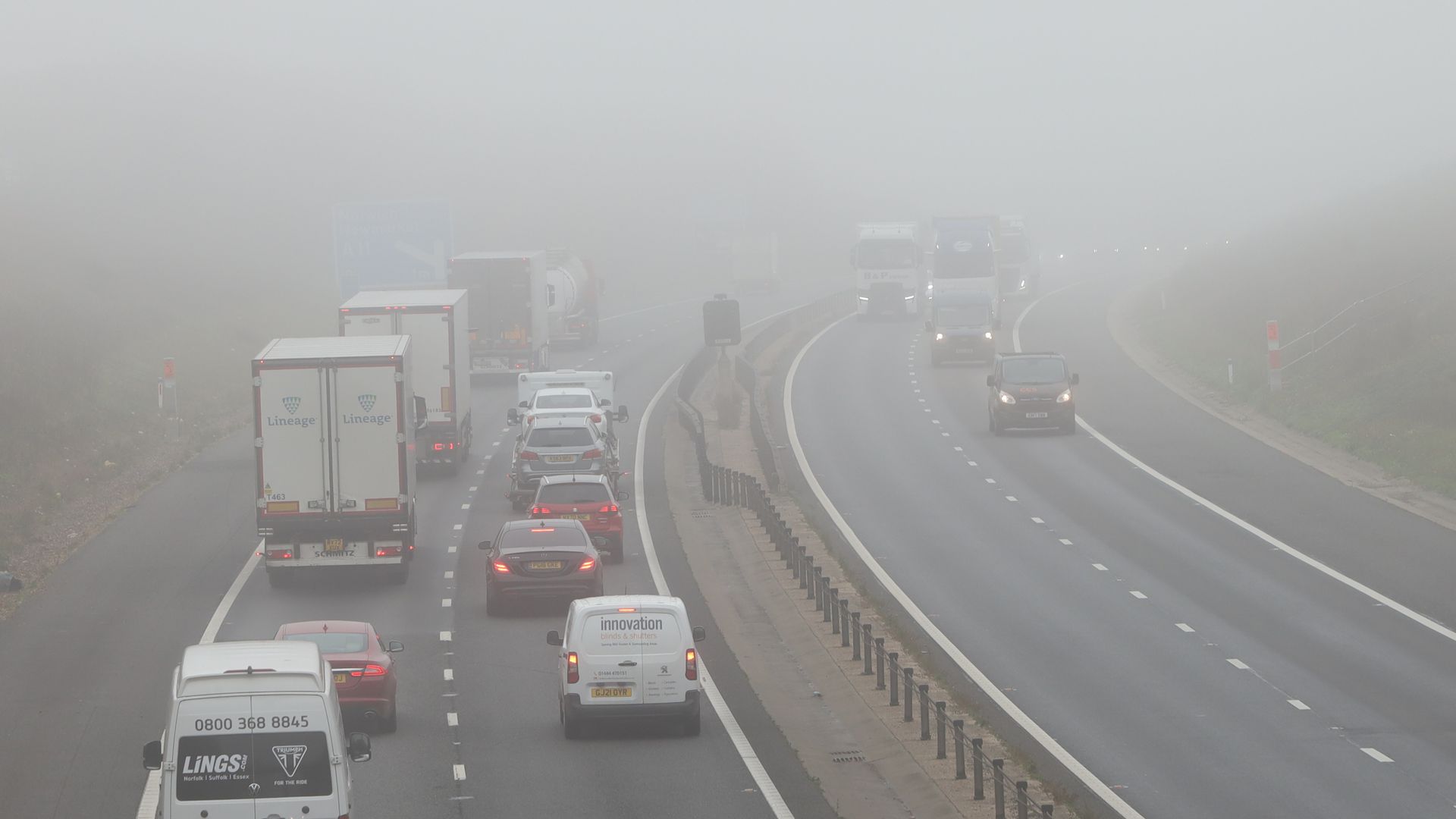
The Met Office’s latest advisory emphasizes that dense fog will significantly reduce visibility on roads, making driving hazardous. Drivers are urged to exercise extreme caution, use fog lights appropriately, and maintain safe distances to prevent accidents. The fog’s persistence into a second day raises concerns for commuters, freight transport, and emergency services managing daily operations in affected areas.
Dense fog often forms during cooler nights when moisture condenses near the ground, and the current weather conditions have created a perfect environment for this phenomenon. The fog can obscure road markings and traffic signs, further complicating navigation, especially in rural or poorly lit routes.
Upcoming Weather Changes: Wind and Rain on the Horizon
Following the persistent fog, the Met Office forecasts a shift in weather patterns, with strong winds and rain expected to move in shortly. These changes will bring additional challenges, particularly for outdoor activities and local infrastructure.
Wind gusts could reach speeds that disrupt travel, cause fallen branches, and impact high-sided vehicles on exposed routes. Rainfall accompanying the winds may lead to slippery road surfaces, compounding the risks already posed by fog. Residents and travelers should prepare for a period of unsettled weather, which could affect public transport schedules and increase the likelihood of delays.
Why This Weather Matters
Fog, wind, and rain combined create a trifecta of hazardous conditions that demand heightened awareness and preparedness. Dense fog reduces visibility, making it difficult for drivers and pedestrians to see and be seen. When followed by rain, roads become slick and treacherous, while strong winds can destabilize vehicles and cause debris hazards.
Beyond immediate travel concerns, these weather conditions can also impact health, particularly for vulnerable groups such as the elderly or those with respiratory issues. Reduced visibility and damp conditions may increase the risk of slips and falls, while colder, windier weather can exacerbate underlying health problems.
The Met Office’s warnings aim to give people ample time to adjust plans, allowing for safer journeys and minimizing accidents. Authorities often leverage these alerts to coordinate responses, such as deploying road maintenance crews, adjusting public transport services, and issuing safety messages.
Preparing for the Days Ahead
To navigate these difficult weather conditions safely, the public should stay informed through reliable weather updates and heed all warnings issued by the Met Office. Motorists, in particular, should reduce speed, avoid sudden maneuvers, and ensure vehicle lights and brakes are in good working order.
For pedestrians, wearing reflective clothing and carrying a torch can improve visibility in foggy conditions. Anyone planning outdoor work or events should consider rescheduling or taking precautions to mitigate risks from wind and rain.
As the fog lingers and weather worsens, community resilience depends on awareness and proactive measures. The Met Office continues to monitor the situation and will update warnings as necessary to guide the public through this unsettled period.
Stay vigilant and prioritize safety as the fog and subsequent weather shifts challenge normal routines.