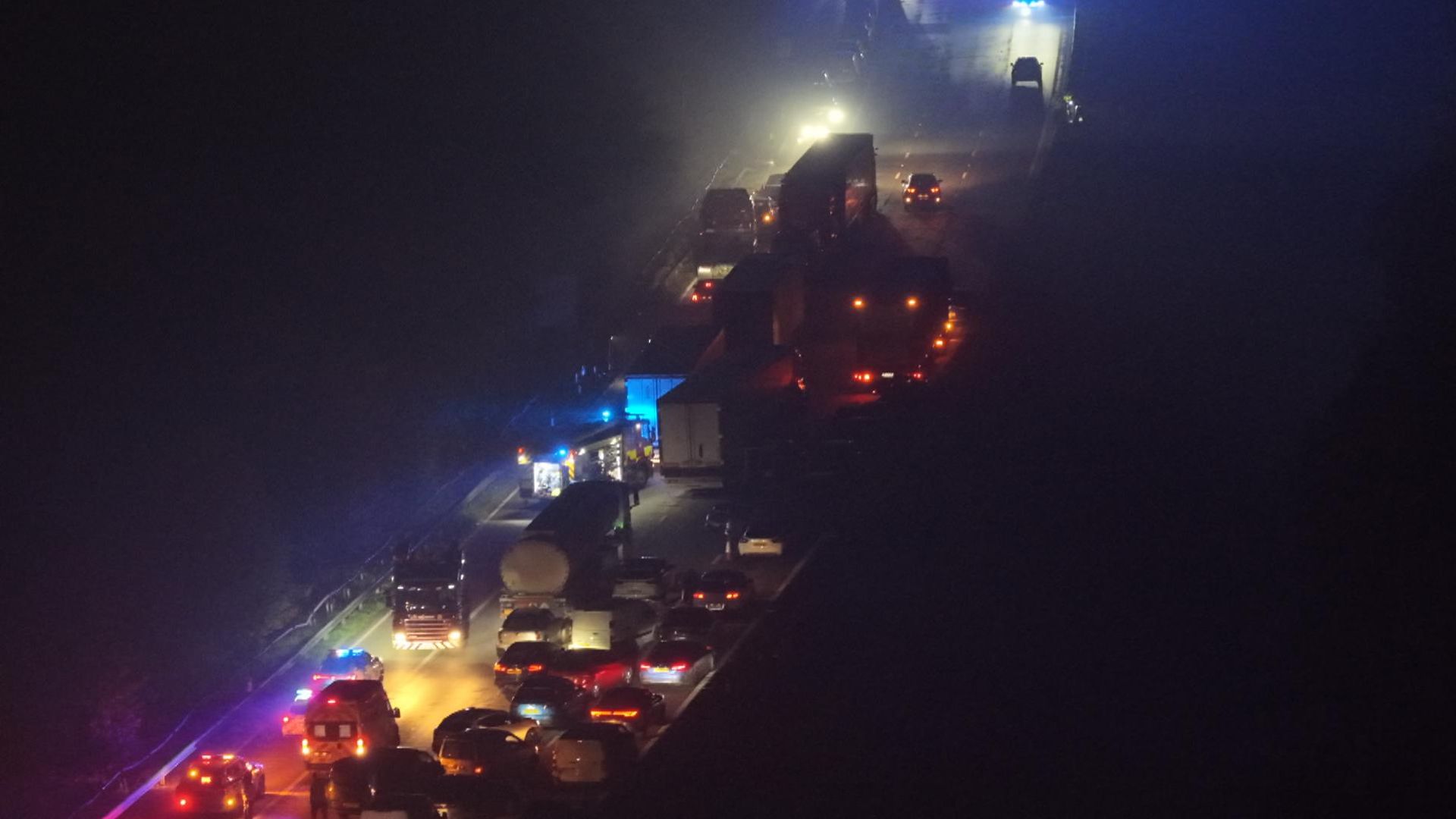
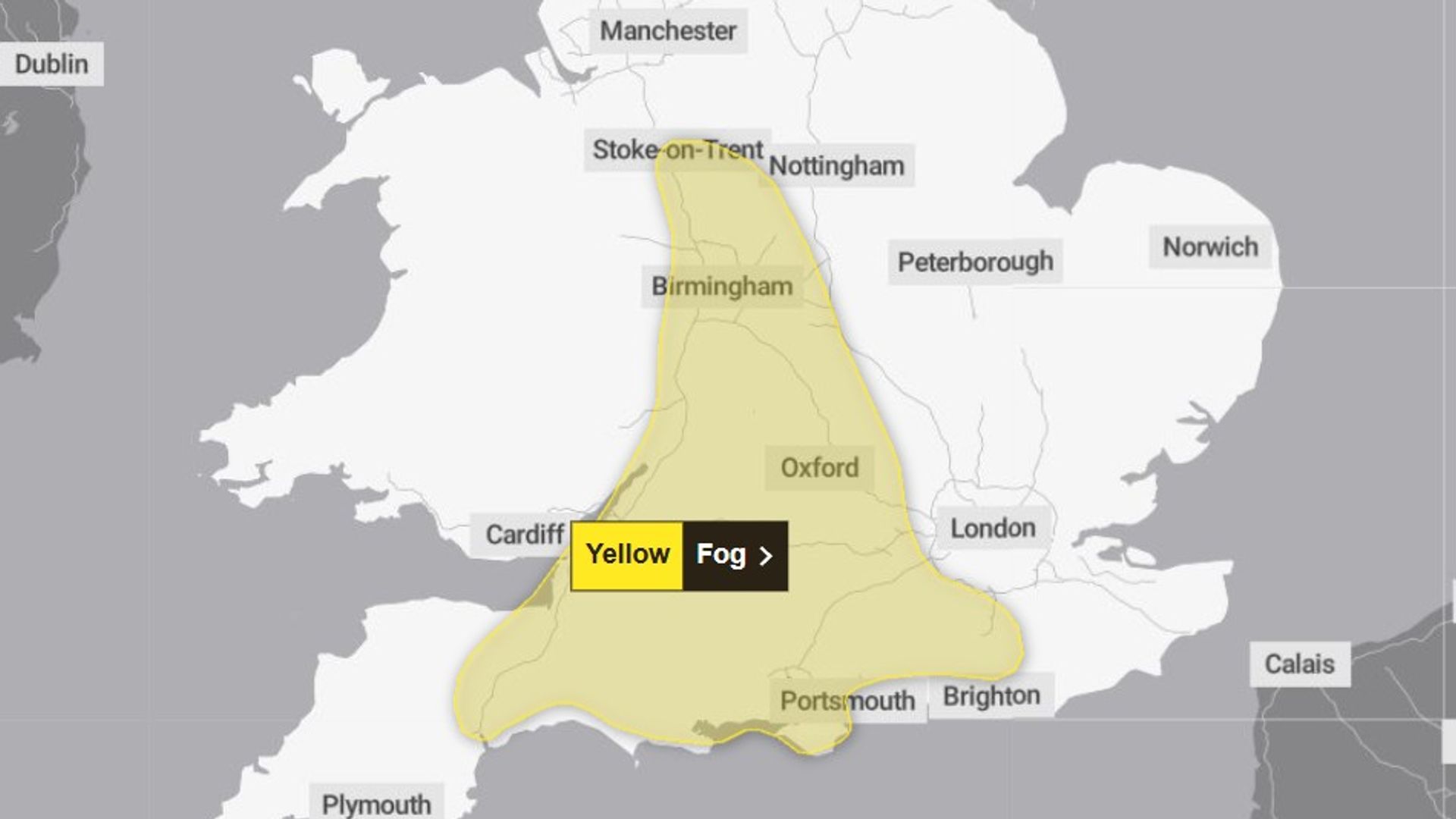
The Met Office has issued a significant weather warning across parts of the UK as meteorological conditions align to create what experts describe as the “perfect recipe” for dense fog. This development poses serious challenges for motorists and commuters, with reduced visibility expected to impact travel safety and schedules.
What’s Causing This Foggy Spell?
The formation of thick fog is primarily driven by a combination of clear skies, calm winds, and high humidity levels overnight. These elements allow moisture near the ground to condense into tiny water droplets suspended in the air, drastically reducing visibility.
During the current weather pattern, temperatures are dropping sharply after sunset, enhancing the likelihood of fog developing in low-lying areas and valleys. The Met Office explains that this convergence of factors is uncommon but highly effective in producing widespread fog patches.
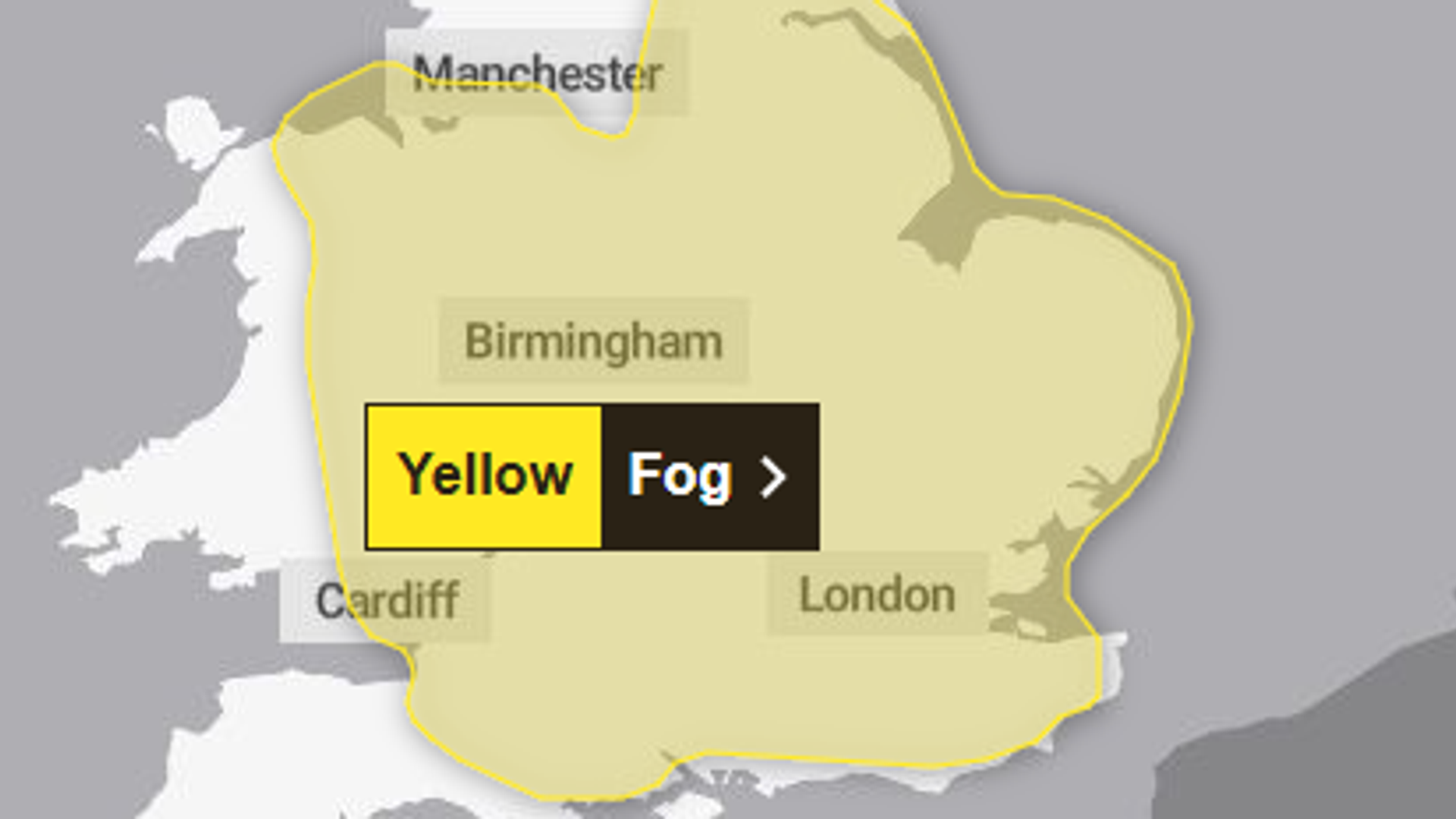
Regions most at risk include parts of southern and eastern England, where the calm conditions and moisture from recent rainfall have created an environment ripe for fog formation. Motorists traveling through rural and suburban areas should remain especially vigilant, as fog can appear suddenly and linger into the morning hours.
Impact on Travel and Safety Precautions
The Met Office warning highlights the dangers fog imposes on road, rail, and air travel. Drivers face the risk of severely limited visibility, which can lead to slower reaction times, increased stopping distances, and a higher likelihood of accidents. Early morning and late evening journeys are particularly vulnerable.
Rail services may also experience delays or disruptions due to the fog, as train operators reduce speeds to maintain safety. Additionally, airports in affected regions could see delays or cancellations because of the low visibility impacting aircraft takeoffs and landings.
Authorities urge travelers to plan ahead, allow extra time for journeys, and use fog lights appropriately. Staying informed through official channels about evolving weather conditions is essential to avoid unnecessary risks.
Why This Matters: Broader Implications of Fog Events
Fog is more than just a temporary inconvenience; it significantly affects public safety, economic activity, and daily life. Dense fog can cause multi-vehicle collisions, disrupt supply chains, and increase emergency service responses. Understanding the meteorological causes helps communities prepare and mitigate these risks.
Moreover, fog events like this underscore the importance of accurate weather forecasting and timely communication from agencies such as the Met Office. Enhanced awareness enables individuals and organizations to adopt precautionary measures proactively, reducing accidents and delays.
As climate patterns shift, the frequency and intensity of fog episodes may change, making it crucial to monitor and adapt to evolving weather phenomena.
Looking Ahead: What to Expect
The Met Office is closely monitoring the situation and will update warnings as conditions evolve. Residents in affected areas should remain alert for further advisories and heed official guidance. As daylight returns and temperatures rise, the fog is expected to dissipate, improving visibility and easing travel concerns.
In the meantime, vigilance and preparation remain key. By understanding the factors behind this fog event and its potential impacts, the public can navigate the challenges safely and minimize disruption.
In summary, the current weather pattern in the UK has created ideal conditions for dense fog, prompting a Met Office warning focused on travel safety. Awareness and caution during this period will help reduce accidents and ensure smoother journeys until clearer conditions prevail.