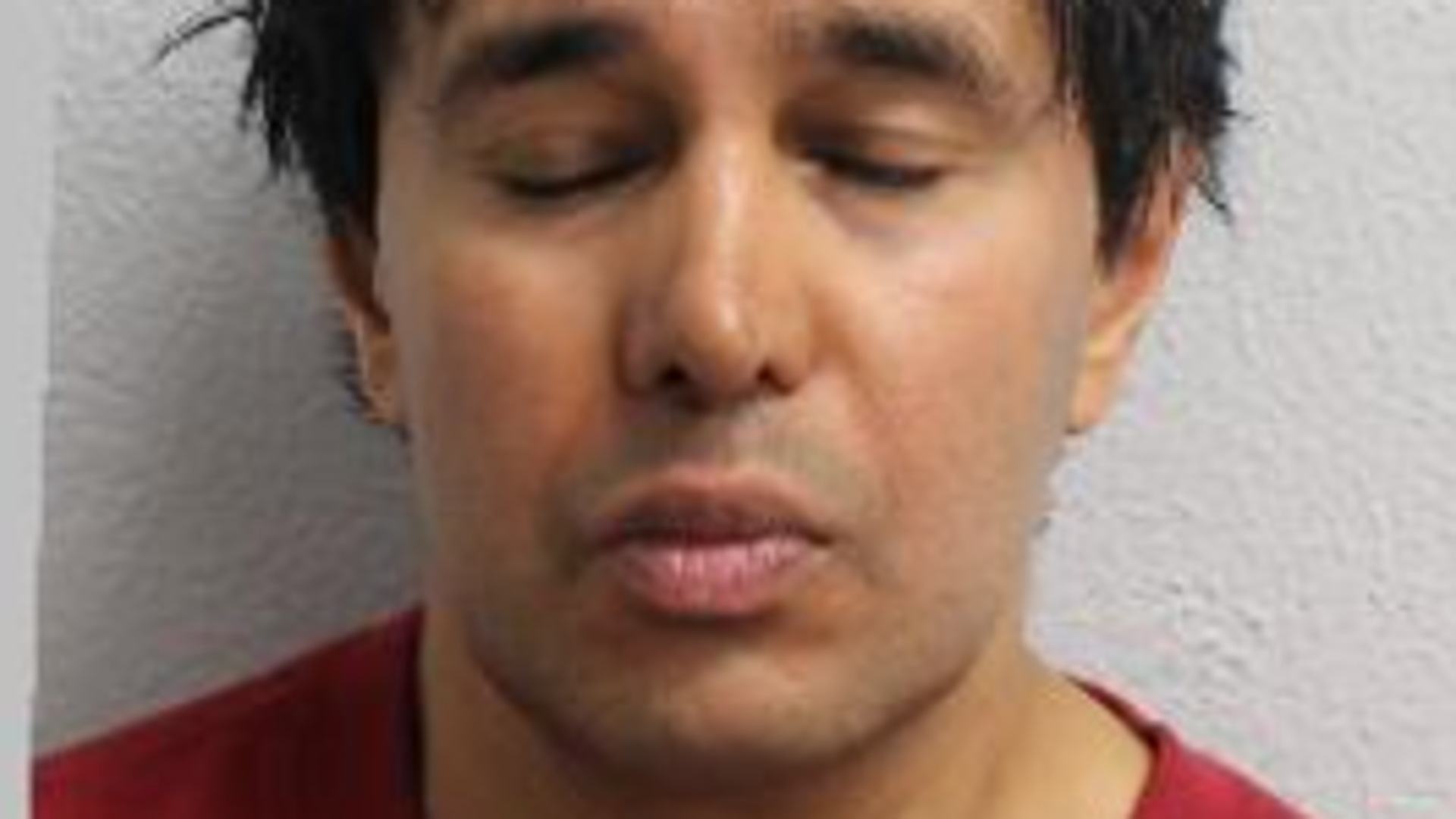
In a striking case of workplace deception, a civil servant has been convicted of nine counts of fraud after managing to hold as many as five full-time government positions concurrently. The employee exploited remote working arrangements and falsified sick notes to maintain the illusion of fulfilling multiple roles, raising serious concerns about oversight within government employment systems.
How the Fraud Unfolded: Remote Work and Sick Notes as Tools for Deception
The individual in question leveraged the flexibility of remote working policies, which became widespread during the pandemic, to juggle multiple government jobs without immediate detection. By working from home, the civil servant avoided the physical presence that might have otherwise revealed the overlapping commitments.
Compounding this disguise, the employee submitted fraudulent sick notes to justify absences from one or more roles while continuing to work on others. This manipulation of medical documentation allowed continuous employment across several departments simultaneously, contravening the fundamental principle that one person cannot perform multiple full-time roles at once.
This case exposes vulnerabilities in current government monitoring systems, highlighting how remote work, while beneficial for many, can be exploited without proper checks and balances.
The Scope and Impact of the Fraud on Public Service
Holding up to five full-time government jobs simultaneously is not only an extraordinary abuse of trust but also a significant drain on public resources. Each of these positions was funded by taxpayers, and the duplication of salaries and benefits for one individual represents a substantial financial loss.
Moreover, this misconduct undermines confidence in public institutions. Government employees are expected to adhere to the highest ethical standards, and such blatant fraud casts a shadow over the integrity of civil service. It raises questions about how many other cases might go unnoticed and prompts calls for tighter oversight mechanisms.
The nine counts of fraud for which the civil servant was found guilty indicate a pattern of deliberate and sustained deception rather than isolated mistakes. This level of fraudulent activity suggests systemic weaknesses in verification processes within government departments that allowed the scheme to continue unchecked.
Lessons Learned and the Path Forward for Government Employment Oversight
This case serves as a wake-up call for policymakers and human resources officials responsible for managing public sector employment. While remote work policies have proven essential for flexibility and continuity, they also require robust monitoring to prevent exploitation.
Government agencies must implement more rigorous cross-departmental checks to ensure employees are not simultaneously drawing multiple salaries or violating employment terms. Enhanced verification of sick leave claims and improved tracking of work hours could deter similar abuses.
In addition, fostering a culture of transparency and accountability within the civil service is critical. Encouraging whistleblowing and providing secure channels for reporting suspicious behavior can help identify and address fraud early on.
Ultimately, safeguarding public funds and maintaining trust in government institutions depend on adapting employment oversight to the evolving nature of work, particularly as remote arrangements become more prevalent.
What This Means for Public Sector Trust and Accountability
The conviction of this civil servant underscores the delicate balance between flexible work policies and the need for accountability in public service. While remote work has transformed the government workplace for the better, it also presents new challenges in ensuring employees meet their obligations honestly.
For taxpayers and citizens, this case may erode confidence in how public funds are managed and prompt demands for greater transparency. For government leaders, it highlights the urgency of closing loopholes and reinforcing the integrity of civil service employment practices.
As governments worldwide continue to embrace remote work, this incident illustrates that oversight mechanisms must evolve in tandem. Failure to do so risks further abuses that compromise both fiscal responsibility and public trust.
In conclusion, this case of multi-job fraud within the civil service offers a powerful lesson. Effective governance requires constant vigilance, especially as working models change. Strengthening controls, improving verification, and fostering ethical workplace cultures will be essential steps to prevent similar fraud and protect the integrity of public service.