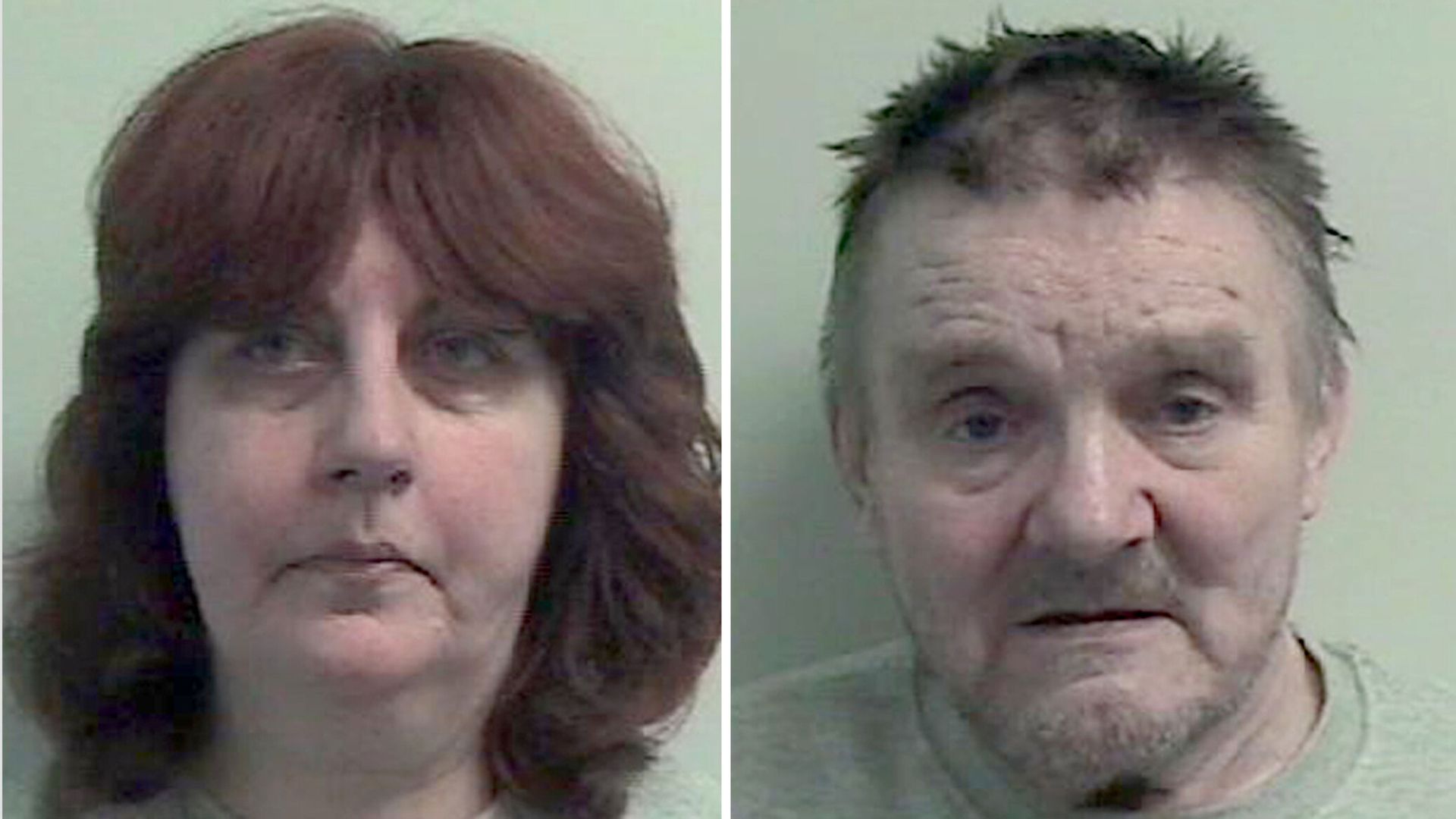
In a chilling conclusion to a tragic crime, the two perpetrators responsible for the murder of a vulnerable woman have both passed away, leaving the location of their victim’s remains undiscovered. Their deaths effectively bury the secret of where they concealed the body, frustrating investigators and the victim’s family alike.
The Crime and Its Aftermath
The case involved a vulnerable woman who fell prey to a brutal murder at the hands of a pair of killers. Despite extensive investigations, authorities never managed to locate the victim’s remains. The two offenders maintained silence about the whereabouts of the body throughout their lives, showing no remorse or cooperation with law enforcement.
Both killers have now died—one reportedly while serving a prison sentence, the other in circumstances that remain undisclosed. With their passing, critical information that could have brought closure to the case has died with them.
Investigation Challenges and Impact on Victim’s Family
The inability to recover the victim’s remains poses significant challenges for law enforcement and forensic experts. Without the body, determining the full circumstances of the crime—including the exact cause of death and potential evidence of abuse or other crimes—remains difficult. This hampers efforts to build a complete understanding of the case and deliver justice in its fullest sense.
For the victim’s family, the unresolved location of their loved one’s remains prolongs their grief and suffering. The lack of physical closure denies them the opportunity for a proper burial and the peace that often accompanies it. Families of murder victims often describe this uncertainty as a form of ongoing trauma that compounds their loss.
Why This Case Matters
This case highlights the profound difficulties that arise when perpetrators withhold crucial information about their crimes. It underscores the importance of ongoing investigative efforts and support for families impacted by violent crimes, especially in cases where the physical evidence remains elusive.
Moreover, it raises awareness about the vulnerabilities of certain individuals within society—those who may be more susceptible to violent acts due to factors such as social isolation, mental health struggles, or other circumstances. Protecting these vulnerable populations requires vigilance and resources from communities, law enforcement, and policymakers alike.
Though the killers’ deaths close one chapter of this tragic story, the mystery surrounding the victim’s final resting place remains a painful reminder of the limits of justice when critical information is lost. The case serves as a stark example of the long-lasting impact violent crimes have on families and communities, and the enduring need for resolution.
As authorities continue to review any available evidence, the hope remains that new leads or technological advancements may one day shed light on the victim’s remains. Until then, the secret remains entombed with those who took it to their graves.