The recent allegations by TV producer Jemima Goldsmith regarding a violent incident involving actor and comedian Russell Brand have drawn fresh attention to events from nearly a decade ago. Goldsmith, who dated Brand for a year in 2014, publicly accused him of “violence, coercive control and abuse,” prompting police to address the specifics of the case. Thames Valley Police have now officially confirmed their involvement in the incident she described, shedding new light on the episode and its aftermath.

What Happened During the 2014 Incident?
Goldsmith revealed on the social media platform X that she had to call the police to remove Brand from her home during what she termed a “violent incident” in 2014. Thames Valley Police confirmed that they responded to a call from a woman reporting assault by her partner on 25 July 2014 in Oxfordshire.
In their statement, the police explained that officers arrived at the scene, spoke directly with the victim, and offered her support and advice. They further ensured that the partner—Brand—left the address in accordance with the victim’s wishes.
Despite the severity of the incident, Goldsmith opted not to press charges at the time. She cited concerns about the potential negative impact of media scrutiny on her children as a primary reason for her decision. The actress and producer emphasized that this period had a lasting emotional toll on her, though she acknowledged that her experience paled in comparison to other survivors who have come forward in recent court cases.
Background and Significance of Goldsmith’s Statement
Jemima Goldsmith is no stranger to public attention. The daughter of billionaire financier Sir James Goldsmith, she has had a high-profile personal life, including a previous marriage to Imran Khan, who later became Pakistan’s prime minister. Her relationship with Russell Brand, which lasted roughly a year in 2014, was until now largely private regarding any allegations of abuse.
Goldsmith stated she has “neither seen nor spoken to Brand since that period in 2014.” Her decision to come forward publicly now reflects a broader cultural shift encouraging survivors to speak out, especially in light of Brand’s recent conviction. She expressed relief that Brand has “finally faced justice,” highlighting the importance of accountability for public figures.
The Legal Outcome and Ongoing Investigations
Russell Brand, now 51, was sentenced on Monday to 10-and-a-half years in prison after being found guilty of rape and sexual assault. During sentencing, Mr Justice Bennathan condemned Brand’s “staggering arrogance” in exploiting his celebrity status to victimize women. The judge labeled him a “sexual predator” who lied repeatedly under oath, underscoring the gravity of Brand’s offenses.
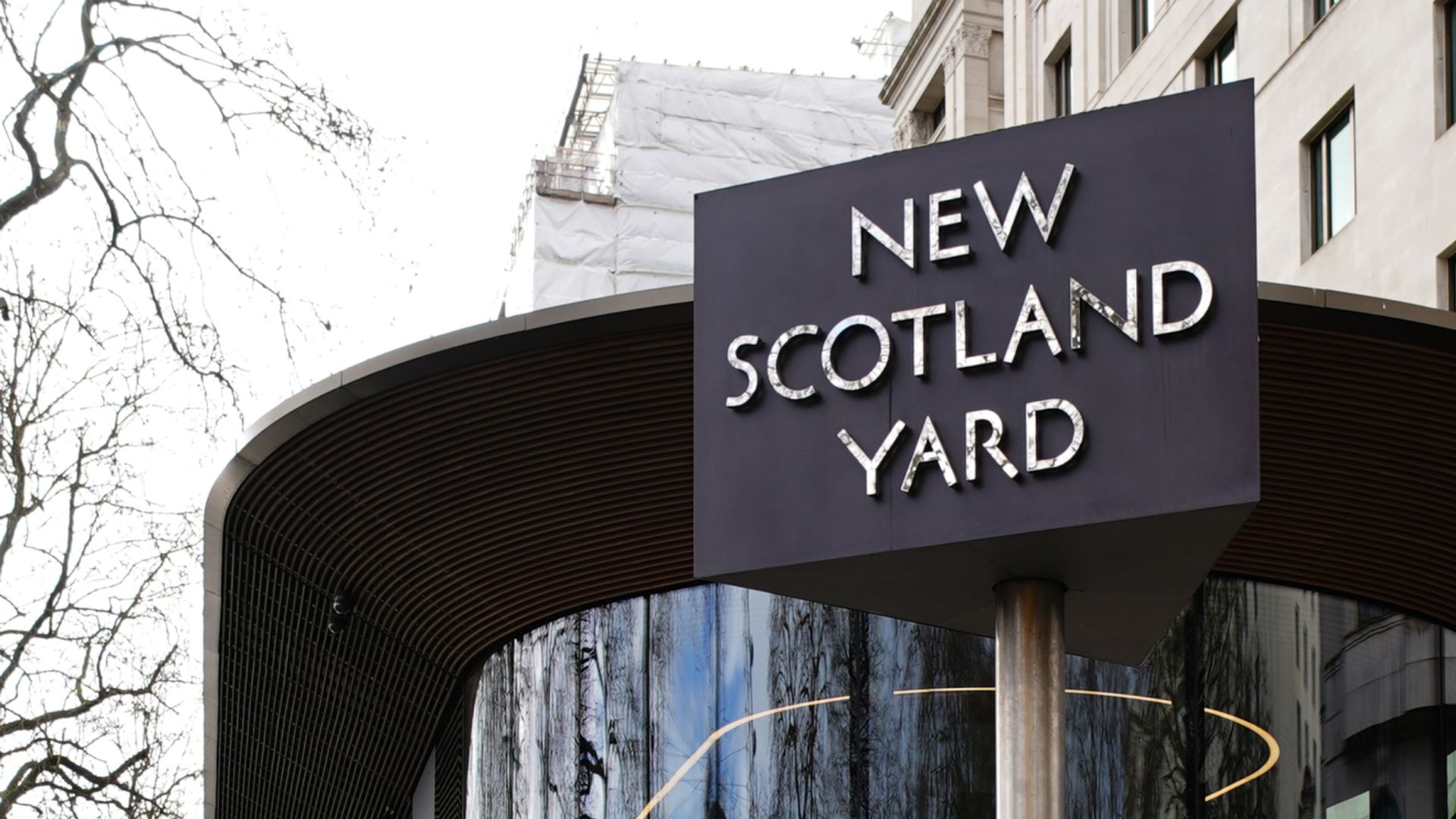
Following the conviction, the Metropolitan Police announced that they are reviewing additional potential criminal allegations against Brand. Authorities disclosed that “several people” have come forward with information both during and after the trial, indicating that the scope of investigations may expand.
This ongoing inquiry reflects growing efforts by law enforcement to address sexual offenses involving high-profile individuals and to encourage victims to report crimes without fear.
Why This Matters
Goldsmith’s testimony and the police confirmation bring important context to the broader narrative of Russell Brand’s criminal behavior. Her experience highlights how intimate partner violence and coercive control can be hidden behind closed doors, even among public figures.
The public acknowledgment of these historic incidents reinforces the message that abuse cannot be overlooked due to status or fame. It also underscores the challenges victims face when deciding whether to confront their abusers, especially under public scrutiny.
Brand’s conviction and the ongoing police investigations serve as a reminder that justice systems are increasingly willing to hold perpetrators accountable, no matter their celebrity. This case may encourage more victims to come forward, knowing their voices will be heard and supported.
Looking Ahead
As police continue to assess new information related to Brand, the legal and social ramifications of this case will likely extend further. The unfolding investigation could reveal additional victims and offenses, deepening public understanding of the extent of Brand’s misconduct.
For now, Jemima Goldsmith’s courageous statement and the police’s transparent response contribute to a broader dialogue about abuse, accountability, and healing. The case exemplifies how the pursuit of justice can empower survivors and challenge cultural complacency toward abuse by the powerful.