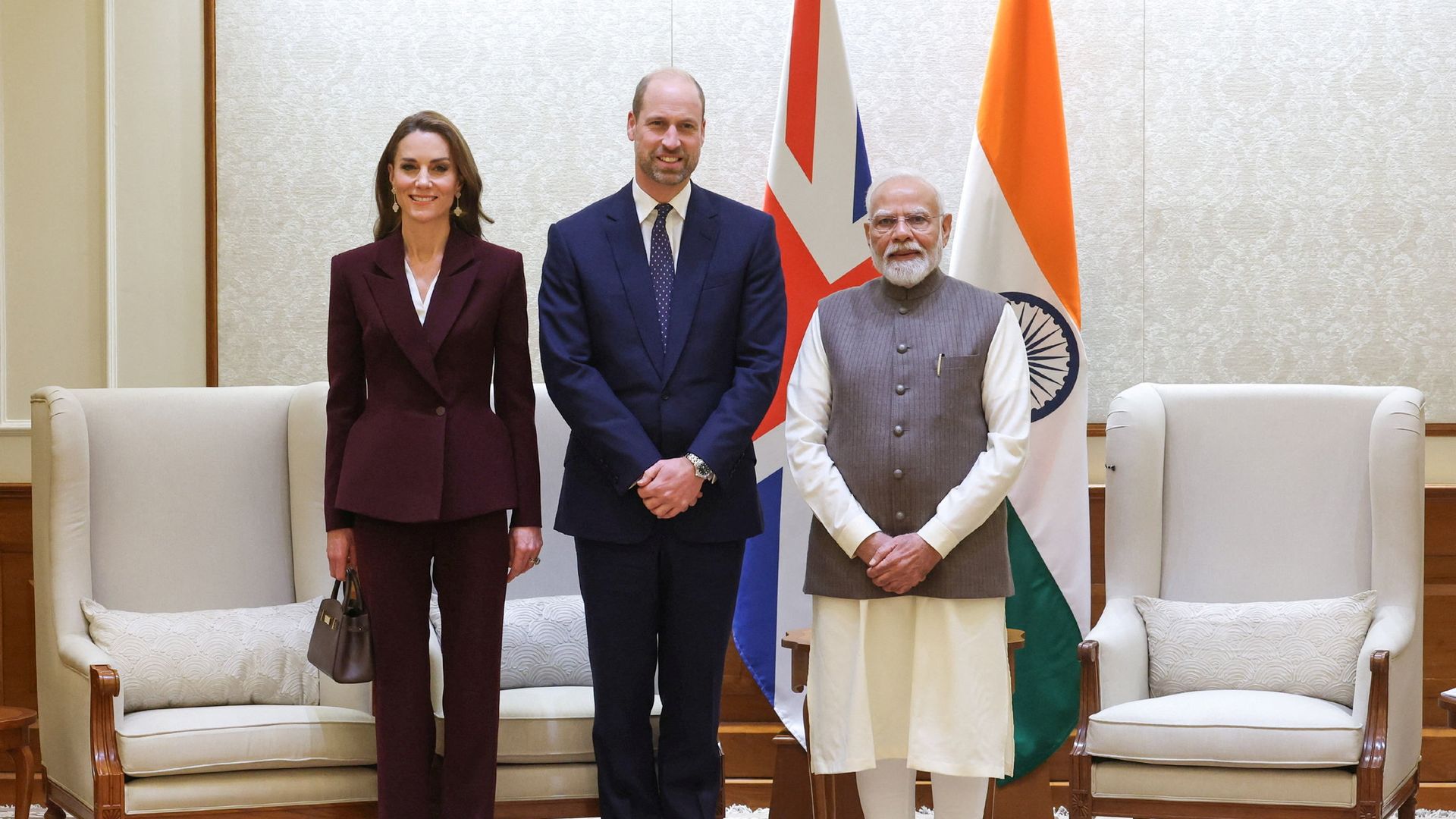
The Prince and Princess of Wales capped off their impactful three-day tour of India by engaging in high-level talks with Prime Minister Narendra Modi on Wednesday. Their meeting focused on strengthening trade relations and enhancing the bilateral partnership between the United Kingdom and India, underscoring the significance of this royal visit in contemporary diplomacy.
What Happened During the Meeting
In their final engagement of the trip, William and Kate met with India’s head of government to discuss opportunities for collaboration across various sectors. The conversation centered on trade, a critical component of the UK-India relationship, especially as both nations seek to deepen economic ties post-Brexit and amid evolving global markets.
This meeting was not only a diplomatic formality but also a strategic dialogue aimed at reinforcing partnerships that benefit both countries. The royal couple’s presence highlighted the importance the UK places on its relationship with India, reflecting a commitment to nurture shared interests and cultural connections.
Background and Significance of the Visit
The three-day visit by William and Kate marked a significant moment in the UK’s efforts to engage with India beyond traditional government channels. It combined cultural outreach with substantive discussions on trade and education, showcasing a multifaceted approach to diplomacy.
India represents one of the largest and fastest-growing economies globally, with expanding markets in technology, manufacturing, and service sectors. The UK sees India as a vital partner for future growth, making the royal couple’s visit an opportunity to build goodwill and explore potential collaborations.
Moreover, the visit celebrated longstanding historical ties between the two nations, while also embracing a forward-looking vision. The engagement included meetings with business leaders, cultural icons, and community groups, enhancing people-to-people connections alongside official diplomacy.
Why This Matters for UK-India Relations
The interaction between William, Kate, and Prime Minister Modi carries weight far beyond ceremonial protocol. It signals a renewed vigor in UK-India relations at a time when both countries are recalibrating their international alliances and economic strategies.
Trade discussions during the meeting are particularly important given that India is poised to become a key trading partner for the UK outside the European Union framework. Strengthening bilateral trade ties can unlock new economic opportunities, drive investment, and create jobs on both sides.
Additionally, the royal couple’s involvement adds a human dimension to diplomatic efforts, fostering mutual respect and cultural appreciation. Their presence helps spotlight India’s growing global role and emphasizes the UK’s interest in a robust, multifaceted partnership.
Looking Ahead: What Comes Next
Following this high-profile meeting, both the UK and India are expected to build on the momentum generated. Trade negotiations will likely continue with a focus on reducing barriers, encouraging innovation, and expanding cooperation in sectors like technology, education, and sustainable development.
The visit also sets the stage for future exchanges at various levels, including government, business, and civil society. Maintaining the warmth and enthusiasm displayed by William and Kate could pave the way for deeper engagement in the years ahead.
For the British royal family, this trip reinforces their evolving role as global ambassadors for the UK, blending tradition with contemporary diplomacy to support national interests abroad.
Takeaway: A Royal Visit with Lasting Impact
The concluding meeting between the Prince and Princess of Wales and Prime Minister Narendra Modi encapsulated the strategic importance of the royal visit to India. By emphasizing trade and bilateral ties, the encounter strengthened a partnership that is vital for economic growth and cultural exchange.
This visit represents more than ceremonial diplomacy—it is a deliberate effort to position the UK and India as collaborative partners in a rapidly changing global landscape. As both countries navigate new challenges and opportunities, the foundations laid during these three days will contribute to a resilient and dynamic relationship moving forward.