Global religious demographics are on the cusp of a historic shift. By 2035, Islam is projected to overtake Christianity as the most widely followed religion worldwide, marking a profound transformation in the spiritual landscape of humanity.
What the Projections Reveal
Newly released projections reveal that the number of Muslims around the globe will exceed the Christian population within the next decade and a half. This forecast is based on extensive demographic data, including birth rates, age distribution, and conversion trends, analyzed by leading research institutions specializing in global population studies.
Currently, Christianity holds the position as the largest religion, with approximately 2.3 billion adherents worldwide. Islam follows closely, with around 1.9 billion followers. However, the faster growth rate of Muslim populations—driven primarily by higher fertility rates and a younger average age—means that by 2035, Muslims will become the majority.
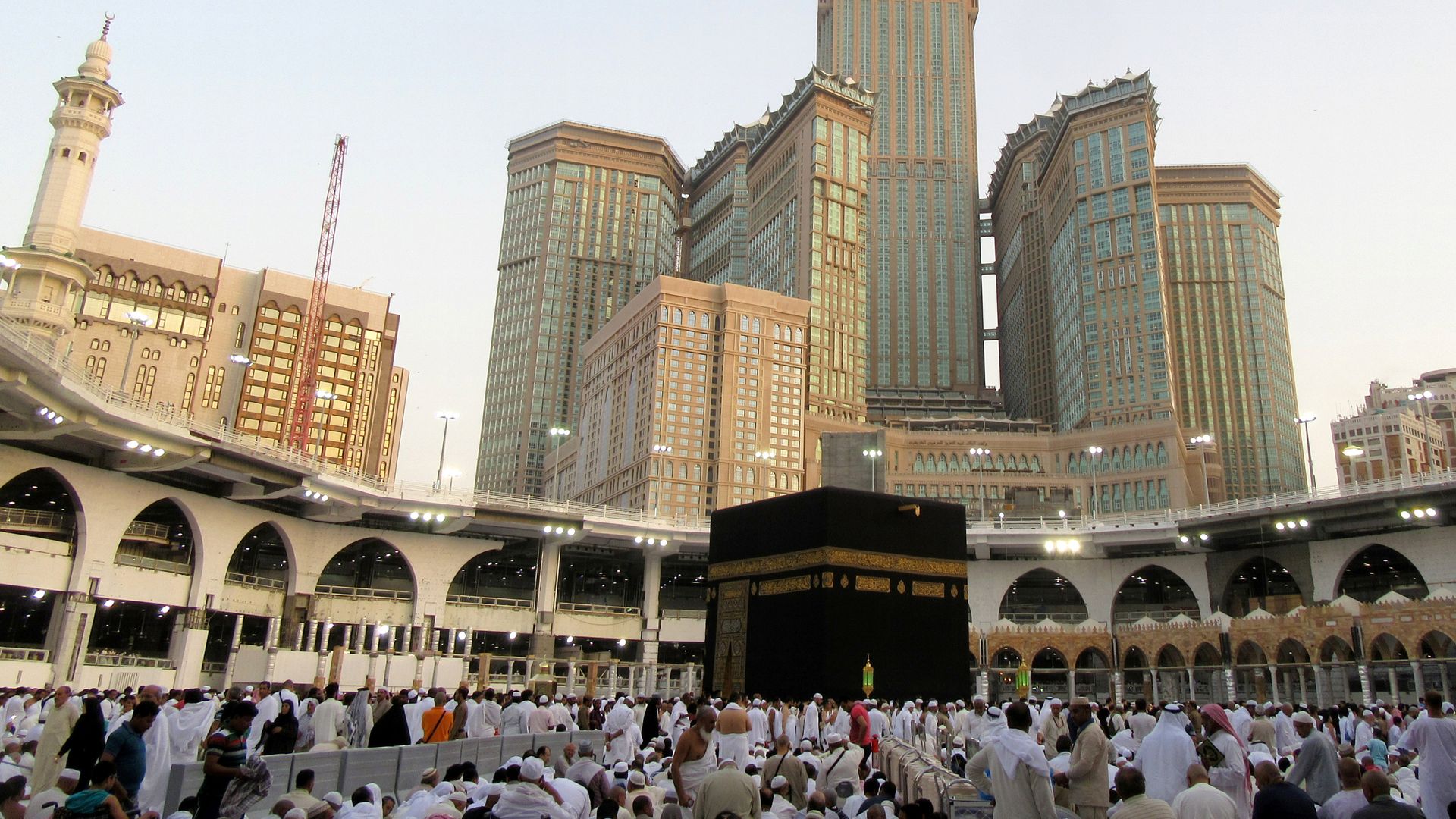
This shift will not be uniform across all regions. Muslim populations are growing rapidly in parts of Asia, Africa, and the Middle East, while Christianity remains dominant in the Americas, Europe, and parts of Africa. The demographic momentum behind Islam’s rise is particularly strong in countries with high birth rates and expanding youth populations.
Underlying Factors Driving the Change
The primary engine behind Islam’s projected growth is demographic trends. Muslim communities tend to have larger families on average compared to Christian communities, contributing to faster population increases. Additionally, Muslim populations are generally younger, meaning a higher proportion of individuals entering reproductive age compared to the aging Christian populations in many parts of the world.
Migration patterns also play a significant role. Increased migration from Muslim-majority countries to other regions is contributing to the growth of Muslim populations in Europe and North America. Meanwhile, Christianity’s growth is slowing due to lower birth rates and aging populations in traditionally Christian-majority countries.
Conversion rates have a smaller but notable impact. While both religions experience conversions, these do not currently account for the scale of change expected from natural population growth and demographic shifts.
Why This Shift Matters
The impending change in the global religious landscape carries broad implications for international relations, cultural dynamics, and societal developments worldwide. Religion often shapes political policies, social norms, and community identities, so a reversal in the dominant faith could influence geopolitical alignments and intercultural dialogue.
Understanding this demographic transition is crucial for governments, religious organizations, and social planners. It highlights the importance of fostering interfaith communication and cooperation to maintain social cohesion in increasingly diverse societies. Moreover, it calls attention to the need for inclusive policies that respect religious pluralism and accommodate shifting population patterns.
For the faithful within both Islam and Christianity, these projections serve as a call to reflect on their roles in an evolving world, emphasizing the shared values and humanitarian goals that transcend religious boundaries.
Looking Ahead
While projections predict a Muslim majority by 2035, these forecasts depend on many variables, including future migration trends, fertility rates, and geopolitical developments that could influence religious adherence. Nonetheless, the data underscores a significant demographic transformation underway.
As the world approaches this milestone, the focus should be on promoting mutual understanding and respect among diverse religious communities. This demographic evolution presents both challenges and opportunities for global harmony and cooperation in the decades to come.
In summary, the anticipated rise of Islam as the world’s largest religion by 2035 marks a pivotal moment in human history. It reflects deeper demographic currents shaping societies and underscores the dynamic nature of religious identity worldwide.